Ear appearance plays a significant role in facial harmony and self-confidence. Whether someone has naturally prominent ears, uneven ear shape, or changes caused by injury, modern cosmetic and reconstructive techniques provide effective solutions for individuals seeking improvement. In recent years, **Ear Surgery in Islamabad has gained increasing attention among people looking for reliable treatment options that combine advanced technology with personalized care. As awareness about aesthetic procedures continues to grow across Pakistan, more individuals are exploring ear surgery as a practical way to enhance both appearance and confidence.
Understanding Ear Surgery
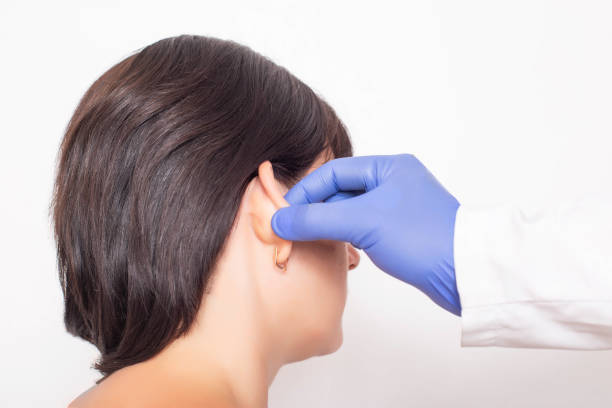
Ear surgery is a specialized procedure designed to improve the appearance, structure, or function of the ears. It can address a variety of concerns, including protruding ears, asymmetrical ears, congenital abnormalities, and deformities resulting from trauma. Depending on the individual’s needs, the treatment focuses on reshaping, repositioning, or reconstructing the ears while maintaining natural facial balance.
The goal is not to create a dramatic transformation but to achieve subtle improvements that complement the overall facial features.
Why Awareness Has Increased Across Pakistan
The popularity of ear surgery has grown considerably due to greater public awareness about cosmetic and reconstructive procedures. Educational resources, social media, and improved access to medical information have helped people understand that ear correction is a safe and effective option for suitable candidates.
Many individuals who once accepted ear irregularities as permanent now realize that modern surgical techniques can provide lasting improvements with natural-looking outcomes.
Islamabad Has Become a Preferred Destination
Islamabad has developed a strong reputation for offering modern healthcare facilities equipped with advanced technology. Patients appreciate the city’s organized medical environment, high-quality standards, and access to contemporary treatment methods.
For many Pakistanis, traveling to the capital for specialized procedures provides reassurance that they will receive care using updated surgical techniques and internationally recognized practices.
Improved Confidence Is a Major Motivation
One of the biggest reasons people choose ear surgery is the emotional benefit that often accompanies physical improvement. Ears that appear overly prominent or asymmetrical can affect confidence from childhood through adulthood.
Many individuals feel more comfortable wearing short hairstyles, tying their hair back, or participating in social gatherings after correcting concerns that have bothered them for years.
Greater confidence often extends beyond appearance, positively influencing personal relationships, education, and professional interactions.
Modern Techniques Deliver Natural Results
Advancements in surgical methods have transformed ear procedures over the years. Today’s techniques focus on preserving the natural contours of the ear while making precise corrections.
Rather than creating an artificial appearance, modern procedures emphasize subtle refinement that blends naturally with the patient’s facial proportions.
This approach has significantly increased patient satisfaction and reduced concerns about noticeable surgical changes.
Suitable for Different Age Groups
Ear surgery is not limited to a specific age group. Children with noticeable ear prominence may benefit after their ears have reached sufficient development, while teenagers and adults frequently seek treatment for cosmetic or reconstructive reasons.
Adults who postponed treatment earlier in life often choose surgery after realizing that it is never too late to improve their appearance and confidence.
Social Acceptance Has Changed
Cosmetic procedures are becoming increasingly accepted throughout Pakistan. Conversations surrounding aesthetic enhancement are more open than ever before, allowing people to make informed decisions without unnecessary stigma.
Instead of viewing cosmetic procedures as purely luxury treatments, many now recognize them as confidence-building solutions that can improve quality of life.
This changing mindset has encouraged more individuals to explore available treatment options.
Long-Lasting Results Appeal to Patients
One reason ear surgery continues to attract attention is the long-lasting nature of the results. Once the ears heal completely, the improvements generally remain stable for many years.
This makes the procedure appealing for individuals seeking a permanent solution rather than temporary cosmetic alternatives.
The durability of the outcome provides lasting satisfaction for many patients.
Personalized Treatment Planning
Every person’s ears have unique characteristics. Modern treatment planning focuses on evaluating individual anatomy before recommending the most suitable surgical approach.
Factors such as ear size, shape, symmetry, cartilage structure, and overall facial proportions are carefully considered to achieve balanced and natural-looking improvements.
Personalized planning contributes significantly to successful outcomes.
Recovery Has Become More Comfortable
Recovery following modern ear surgery has improved due to refined surgical techniques and better postoperative care.
Most patients experience temporary swelling and mild discomfort that gradually decreases during the healing process. Following aftercare instructions supports proper healing and helps achieve the desired outcome.
As techniques continue to evolve, recovery has become smoother and more manageable for many individuals.
Choosing the Right Time for Ear Surgery
People often consider ear surgery after years of feeling self-conscious about their appearance. Others seek treatment following injuries or changes that affect ear shape.
The ideal time depends on personal readiness, realistic expectations, and an understanding of the procedure. Taking time to research and learn about the process allows individuals to make confident and informed decisions.
The Future of Ear Surgery in Pakistan
As healthcare continues to advance, ear surgery is expected to become even more accessible and refined. Innovations in surgical planning, precision techniques, and patient care continue to improve treatment experiences.
With increasing awareness and growing confidence in modern aesthetic procedures, **Ear Surgery in Islamabad is expected to remain a preferred choice for individuals seeking natural-looking ear enhancement while benefiting from evolving medical standards and personalized treatment approaches.
FAQs
What is ear surgery?
Ear surgery is a procedure that improves the shape, position, or structure of the ears to create better facial balance or correct deformities.
Who is a good candidate for ear surgery?
Individuals with prominent ears, asymmetrical ears, congenital ear differences, or ear deformities caused by injury may be suitable candidates after proper evaluation.
Are the results of ear surgery permanent?
Yes. In most cases, the improvements achieved through ear surgery are long-lasting and remain stable after complete healing.
How long does recovery usually take?
Initial recovery generally takes a few weeks, while complete healing and final results continue to develop over the following months.
Will ear surgery leave visible scars?
Modern surgical techniques usually place incisions in discreet locations, helping scars become less noticeable as healing progresses.
Can adults undergo ear surgery?
Yes. Ear surgery is commonly performed on adults as well as children whose ears have reached adequate development.
Is ear surgery only for cosmetic purposes?
No. Besides cosmetic enhancement, ear surgery can also correct congenital abnormalities and repair damage caused by accidents or injuries.
How should someone prepare for ear surgery?
Preparation usually involves a consultation, discussing medical history, understanding the procedure, and carefully following all preoperative instructions provided during treatment planning.