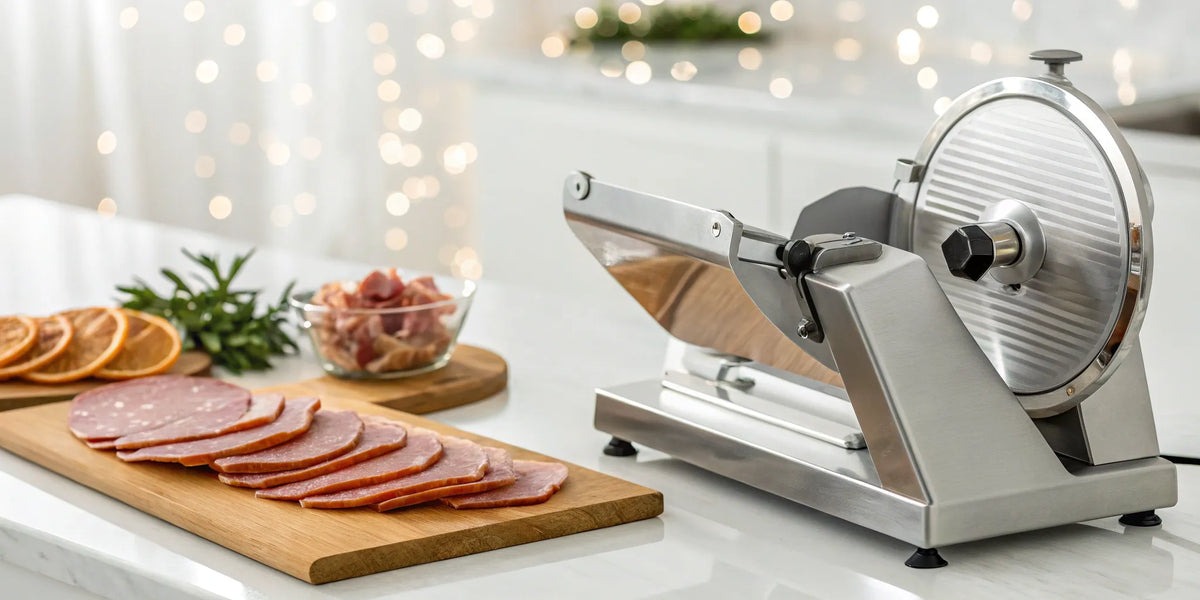
A meat slicer machine is an essential tool for both commercial kitchens and home users who want consistent, precise cuts of meat, cheese, and deli items. Whether you run a restaurant, a butcher shop, or simply want professional-grade slicing at home, choosing the right machine can significantly improve efficiency, presentation, and food quality. With so many models available in the market, understanding what to look for will help you make a smart and long-lasting investment.
Why Choosing the Right Meat Slicer Machine Matters
Selecting the correct meat slicer machine is not just about convenience—it directly impacts productivity, safety, and food consistency. A high-quality slicer ensures uniform cuts, which improves portion control and reduces waste. In commercial environments, this consistency also enhances customer satisfaction and speeds up service.
On the other hand, choosing the wrong model can lead to uneven slicing, frequent maintenance issues, and even safety hazards. That’s why it’s important to carefully evaluate your needs before purchasing.
Types of Meat Slicer Machines
Understanding the different types of slicers is the first step in choosing the right one.
Manual Meat Slicers
Manual slicers require physical effort to operate. They are typically more affordable and suitable for small-scale use or home kitchens. While they offer control over slicing speed and thickness, they may not be ideal for heavy-duty tasks.
Automatic Meat Slicers
An automatic meat slicer machine does most of the work for you. Once set, it continuously slices food with minimal effort. These machines are perfect for busy restaurants, delis, and butcher shops where speed and efficiency are critical.
Semi-Automatic Slicers
Semi-automatic models combine manual control with automated slicing features. They offer a balance between precision and convenience, making them suitable for medium-sized operations.
Key Factors to Consider When Buying a Meat Slicer Machine
1. Blade Size and Material
The blade is one of the most important components of a bakery machine. Blade sizes typically range from 9 inches to 14 inches or more. Larger blades are ideal for commercial use as they can handle bigger cuts of meat.
Stainless steel blades are highly recommended because they are durable, rust-resistant, and easy to maintain. Some high-end models also feature carbon steel blades for sharper cutting performance.
2. Motor Power
Motor strength determines how efficiently the slicer can handle tough or frozen meats. For home use, a lower horsepower motor may be sufficient. However, for commercial kitchens, a powerful motor is essential to ensure continuous operation without overheating.
3. Adjustable Thickness Settings
A good meat slicer should allow you to adjust slice thickness easily. Whether you need paper-thin deli slices or thicker cuts for sandwiches and roasts, adjustable settings give you greater flexibility in food preparation.
4. Safety Features
Safety should never be overlooked. Look for features such as blade guards, non-slip feet, and emergency shut-off switches. Some modern slicers also include child-lock mechanisms to prevent accidental use.
5. Ease of Cleaning
Hygiene is critical when working with raw meat. Choose a machine that is easy to disassemble and clean. Removable blades and food trays make cleaning more efficient and help prevent bacterial buildup.
Build Quality and Durability
A durable meat slicer machine is an investment that should last for years. Machines made from aluminum or stainless steel are generally more durable and resistant to corrosion. Heavy-duty construction also ensures stability during operation, reducing vibrations and improving slicing accuracy.
Commercial vs. Home Use Considerations
When selecting a slicer, always consider your usage level.
For home kitchens, compact and lightweight models are usually sufficient. They are easier to store and operate but may have limited capacity.
For commercial settings, you need a heavy-duty meat slicer machine designed for continuous use. These machines offer higher power, larger blades, and advanced safety features to handle large volumes of food efficiently.
Maintenance Tips for Long-Term Use
Proper maintenance extends the life of your slicer and ensures safe operation.
- Clean the machine after every use to prevent food residue buildup
- Regularly sharpen the blade for consistent performance
- Lubricate moving parts as recommended by the manufacturer
- Inspect safety features periodically to ensure they function properly
Following these simple steps can keep your meat slicer machine in excellent condition for years.
Common Mistakes to Avoid
Many buyers make the mistake of choosing a slicer based solely on price. While budget is important, compromising on quality can lead to poor performance and higher long-term costs.
Another common mistake is ignoring blade size and motor power. A machine that is too weak for your needs will wear out quickly and may not deliver consistent results.
Final Thoughts
Choosing the right meat slicer machine requires careful consideration of your specific needs, usage level, and budget. By focusing on blade quality, motor power, safety features, and durability, you can find a machine that delivers excellent performance and long-term value.
Whether you’re running a commercial kitchen or upgrading your home cooking setup, the right slicer will improve efficiency, ensure consistency, and elevate your food preparation experience.