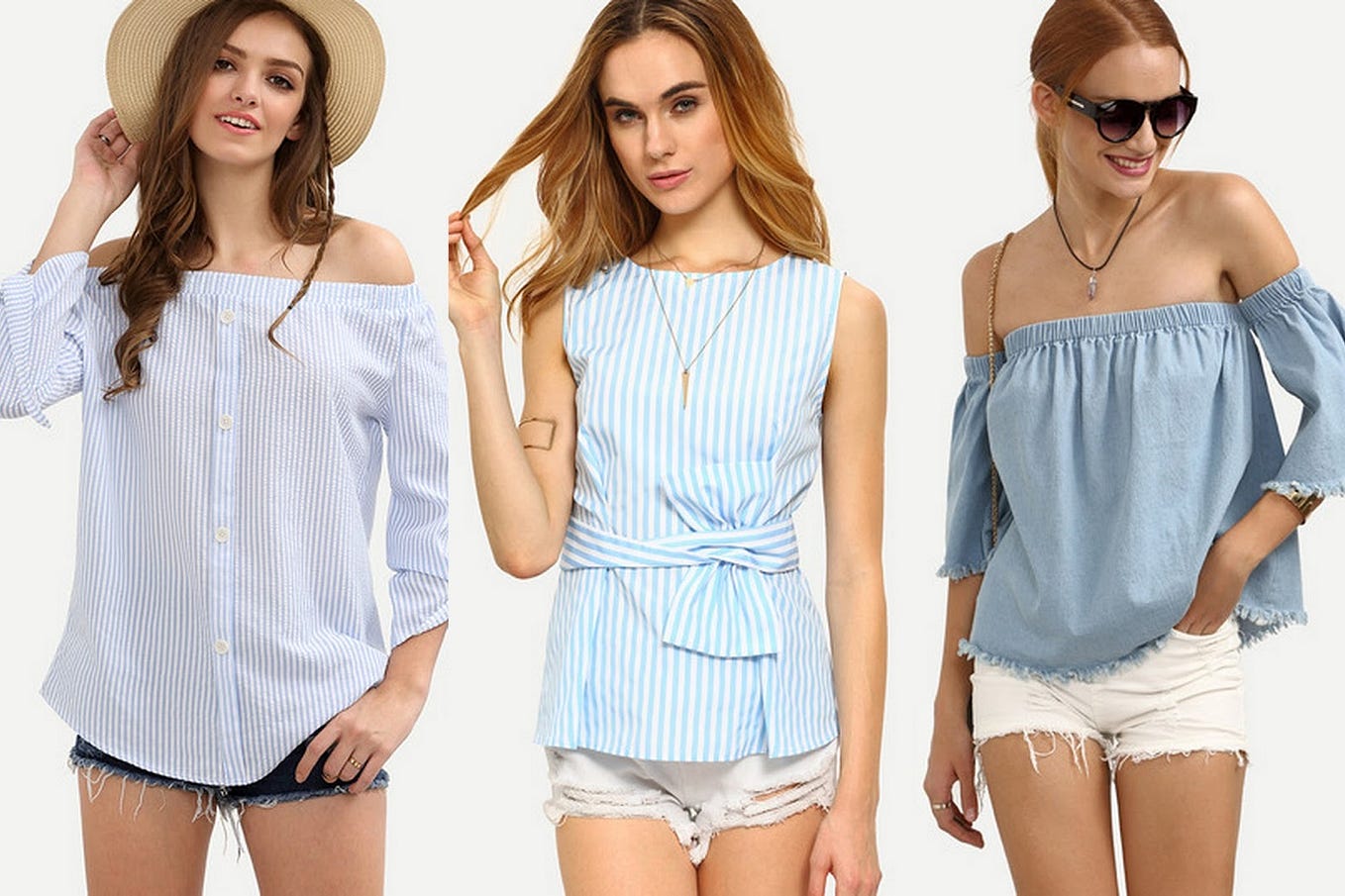
Fashion retailers across the UK continue to look for products that offer long selling periods, dependable demand, and easy merchandising. Building a balanced clothing range is not only about following trends but also about choosing styles that help maintain steady stock movement throughout the year. Selecting elastic hem tops for women as part of a wholesale buying strategy gives boutiques greater flexibility when planning seasonal collections, introducing fresh arrivals, and managing repeat orders. This approach helps retailers create ranges that remain commercially relevant while supporting better inventory decisions without relying on short-lived fashion trends.
Elastic Hem Tops for Women Help Create Balanced Wholesale Collections
Successful boutiques rarely depend on one fashion category to generate sales throughout the year. Instead, they build collections that combine everyday essentials with trend-led pieces to attract different customer preferences. Elastic hem tops fit comfortably within this strategy because they offer a flattering shape while remaining suitable for various occasions.
Their adaptable styling makes them easy to combine with skirts, trousers, jeans, shorts, and lightweight jackets, allowing retailers to build coordinated product selections without adding unnecessary complexity. Because these tops work across different clothing ranges, they help boutiques maintain consistency while introducing new seasonal arrivals.
Planning collections around versatile products also makes it easier for retailers to refresh displays without replacing entire clothing categories.
Choosing Styles That Support Long-Term Stock Performance
Boutiques benefit from clothing that remains relevant beyond a single fashion season. Products with broader appeal often reduce the pressure of frequent stock replacement while allowing retailers to focus on introducing carefully selected new arrivals.
Modern buyers increasingly value clothing that offers comfort, easy styling, and flexible sizing. These qualities encourage repeat wholesale purchasing because retailers know the products can remain suitable across multiple selling periods.
When planning future buying cycles, wholesalers often recommend including dependable wardrobe pieces alongside trend-focused garments. This balanced approach creates stronger product assortments while reducing gaps within seasonal collections.
Product Variety Makes Buying More Flexible
Offering variety remains one of the biggest advantages when selecting wholesale clothing. Retailers prefer suppliers that provide multiple designs, colours, and finishes within the same product category because this creates greater freedom during stock planning.
Within boutique wholesale clothing, product diversity allows businesses to create collections that suit different customer profiles without moving away from their overall buying strategy. A wider choice also helps retailers introduce fresh products throughout the season while maintaining a consistent brand identity.
This flexibility becomes increasingly valuable when responding to changing fashion trends or regional buying preferences across the UK.
Seasonal Planning Becomes Easier
Every successful buying plan starts long before new collections arrive in store. Wholesale buyers must consider weather changes, promotional periods, customer demand, and future fashion directions when selecting stock.
Elastic hem tops fit comfortably into spring, summer, and transitional collections because they pair easily with other garments already stocked by boutiques. Their adaptability means retailers can carry selected designs across multiple seasons rather than replacing entire product categories.
Careful seasonal planning also helps reduce rushed purchasing decisions, allowing boutiques to manage budgets more effectively throughout the year.
Fabric Choices Influence Buying Decisions
Fabric quality plays a significant role when retailers choose wholesale clothing. Buyers often look for materials that combine comfort, durability, and easy maintenance while remaining suitable for everyday wear.
Soft cotton blends, lightweight viscose, breathable linen mixes, and comfortable jersey fabrics continue to perform well across different wholesale collections. These materials support both casual and smart casual ranges, giving boutiques greater flexibility when building their seasonal stock.
Reliable fabric quality also encourages retailers to reorder successful products with greater confidence during future buying periods.
Supporting Different Fashion Collections
A successful boutique usually stocks clothing that appeals to a wide range of preferences instead of relying on one fashion style. This allows businesses to attract broader demand while maintaining consistent stock movement.
Many tops with elasticated hem work well within casual collections, holiday ranges, relaxed weekend wear, and everyday fashion assortments. Their adaptable design makes them suitable alongside printed trousers, plain leggings, denim collections, lightweight jackets, and seasonal knitwear.
Because they integrate naturally into existing collections, retailers can expand their product offering without changing their overall buying strategy.
Colour Choices That Suit Wholesale Buying
Colour selection remains one of the most important factors in stock planning. Retailers often combine classic shades with carefully chosen seasonal colours to create balanced collections throughout the year.
Neutral colours such as white, black, navy, beige, and stone continue to provide dependable selling opportunities because they complement many other clothing categories. Alongside these essentials, brighter seasonal colours allow boutiques to introduce fresh displays that reflect changing fashion trends.
Maintaining this balance helps retailers avoid overcommitting to short-term colour trends while still offering attractive product variety.
Stock Planning Requires More Than Following Trends
Fashion trends remain important, but successful wholesale buying depends on much more than selecting popular designs. Retailers also consider supplier reliability, product consistency, delivery schedules, and the ability to reorder successful lines quickly.
A structured buying strategy allows boutiques to maintain healthier stock levels while reducing unnecessary overstock. Planning purchases around commercially dependable clothing often supports stronger business performance over time.
Experienced wholesalers understand that consistency frequently delivers better long-term results than chasing every new fashion trend.
Building Better Supplier Relationships
Choosing the right wholesale supplier supports every stage of stock planning. Reliable suppliers help retailers maintain consistent product availability while introducing new collections at appropriate times throughout the year.
Strong communication, dependable stock updates, transparent ordering processes, and regular product launches all contribute to smoother buying experiences. These factors help boutiques prepare future purchasing plans with greater confidence.
Working with experienced wholesalers also gives retailers access to broader product ranges that can support different seasonal buying strategies.
Creating Flexible Clothing Assortments
Fashion businesses benefit when individual products can work across multiple collections. This flexibility allows retailers to build stronger product assortments while making better use of available shelf and display space.
Well-selected women’s tops with elastic hem combine easily with many wardrobe categories, making them practical additions to coordinated wholesale ranges. Their versatility supports different merchandising ideas while helping retailers refresh displays without introducing completely new product groups.
This adaptable approach creates more opportunities for organised stock planning throughout the year.
Managing Inventory with Greater Confidence
Effective inventory management depends on selecting products that offer consistent wholesale value rather than unpredictable short-term popularity. Retailers who plan purchases carefully often maintain healthier stock levels and reduce unnecessary purchasing risks.
Monitoring previous sales performance, seasonal buying patterns, supplier availability, and upcoming fashion trends allows boutiques to make more informed buying decisions. Combining these factors with versatile clothing selections creates stronger inventory planning for future collections.
Careful management also helps businesses respond more confidently when demand changes during different trading periods.
Preparing for Future Fashion Seasons
Fashion continually changes, yet some product categories remain valuable because of their versatility. Retailers who prepare early for future seasons usually have more opportunities to secure suitable stock before demand increases.
Wholesale buying becomes easier when collections include dependable clothing alongside carefully selected trend-led products. This balanced strategy supports steady business growth while allowing boutiques to introduce fresh arrivals throughout the year.
Looking ahead instead of reacting at the last moment helps create more organised purchasing decisions and stronger stock planning.
Conclusion
Successful boutique stock planning is built on careful product selection, reliable supplier partnerships, balanced seasonal buying, and long-term commercial thinking. Rather than relying solely on fast-moving fashion trends, retailers benefit from choosing versatile clothing that can support multiple collections and different selling periods.
Elastic hem tops offer wholesalers and boutique owners an opportunity to strengthen their buying strategy through adaptable styling, dependable fabric options, flexible colour choices, and broad merchandising potential. When combined with thoughtful seasonal planning and organised inventory management, these products help create well-balanced wholesale collections that support consistent business growth. By focusing on quality, variety, and practical stock planning, UK fashion retailers can continue building profitable clothing ranges that remain relevant across changing fashion seasons.