Not every home is gonna have those super bright, bubbly windows, or that whole flow of natural light coming in all day, you know. Still, if you choose some tough indoor plants, they can hang in there pretty well even in the dimmer corners, and honestly, they bring this real, lived-in kind of beauty, texture, and this “alive” vibe to the room. Of course, no plant is gonna survive total darkness forever, but a few strong types still do surprisingly well with minimal sunlight, and that kind of indirect indoor lighting most of us end up dealing with anyway. Pick the right ones, and those shaded spots turn into a little green hideaway.
Why Low-Light Plants Are Perfect for Modern Homes
A lot of indoor plant folks keep running into the same issue: not enough sunlight, especially in apartments, offices, or rooms that sit facing north. The hardy plants that tolerate weaker light often also require less fuss, and they’re way more forgiving than the ones that act like they need constant sun, like, seriously. They fit busy households pretty nicely, plus they’re a solid starter move if you’re new to plants. Also, some of the most popular houseplants keep going under artificial light or indirect light setups, so you’re not completely stuck either.
Best Hardy Plants for Low-Light Spaces
Snake Plant
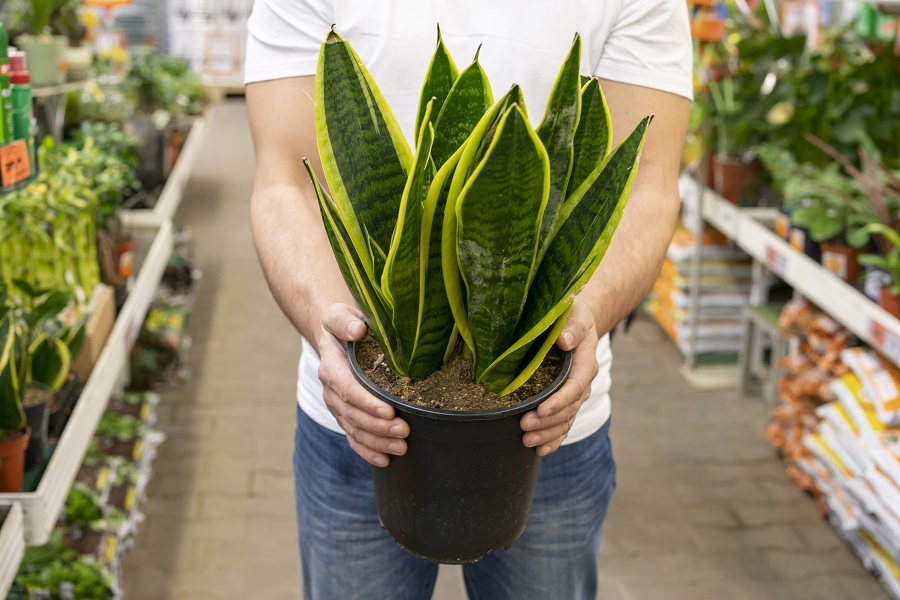
Snake Plant is basically the “default” tough houseplant. Its upright, architectural leaves look sleek and tidy, like it’s not even trying, but it still looks good. It handles low light like it’s nothing, and you’re only watering it every few weeks, so it’s a great pick if you want greenery without turning plant care into some full-time thing.
ZZ Plant
The ZZ Plant, with those glossy dark green leaves, feels like it was built for low-light living. It stores water in underground rhizomes, so it can survive those “oops, I forgot” moments way better than most. This plant stays hardy for offices, hallways, and any space where natural light is limited, or just doesn’t show up much most days.
Pothos
Pothos is a classic option if you like vines that trail. It keeps growing in low to medium indirect light, without major drama. Whether it’s sitting on a shelf or spilling out of a hanging basket, it grows with this confident, no-pressure energy. Those heart-shaped leaves also make the space feel a bit more relaxed, softer somehow too.
Peace Lily
The Peace Lily comes with lush green leaves plus neat white blooms. It’s one of the few flowering plants that can still tolerate low light, and that genuinely feels like a win. Care stays pretty simple, and it even kind of warns you it needs water by drooping a little- not that dramatic “everything is ruined” collapse people fear.
Chinese Evergreen
Chinese Evergreen is popular because the foliage shows off greens along with silver, pink, and red hints. It tolerates fluorescent or indirect lighting really well, so it works in homes and offices that don’t get much sun. You get that color pop without having to rely on bright windows every single day.
Choosing the Right Plant for Your Space
For Living Rooms
If you’re going for a bold vibe, Snake Plants and Chinese Evergreens are reliable go-tos. Their leaves add structure and a bit of color, and they stay fairly low-maintenance. A lot of people looking for less common indoor plants end up checking the best florist in Grand Rapids MI, for inspiration, plus extra care tips too.
For Offices and Workspaces
The ZZ Plant is a top desk pick because it tolerates low light, and it handles neglect better than most. People hunting for indoor gifts from a florist in Lowell, MI often pick hardy plants like this, since they blend into workspaces well and don’t feel overly needy.
For Entryways and Hallways
Pothos works really well in spots with limited natural light. Those trailing vines add visual interest, and they can make a hallway that gets ignored suddenly feel more welcoming. Some folks also use flower delivery Wyoming when they want to send indoor plants as a meaningful gift.
Tips for Caring for Low-Light Plants
Avoid Overwatering
Low-light plants tend to use water more slowly than plants sitting in brighter sun. So let the soil dry out a bit between waterings, or you’ll end up with root rot, which is the exact problem you’re trying to avoid.
Clean the Leaves
Dust likes to build up on leaves, and that can reduce how much light the plant can actually take in. Wipe the leaves gently with a damp cloth every few weeks, and it helps them breathe and photosynthesize more efficiently.
Rotate Occasionally
Try turning the pot here and there, like around once a month. It keeps growth more even and stops the plant from leaning toward the light source, kind of like it’s trying to sneak closer.
Conclusion
Hardy low-light plants prove you really don’t need nonstop sunshine to keep an indoor garden looking healthy. From Snake Plants and ZZ Plants to Peace Lilies and Pothos, these resilient picks keep everything looking fresh and visually interesting even in the darkest corners. If you’re ready to refresh your space with standout indoor plants, along with floral gifting, take a look at Daylily Floral Cascade and choose the right greenery for each room.