Selecting an engagement ring is a decision filled with excitement and thought. While the diamond is often the first thing people notice, the complete design depends on many other details that work together.
The metal choice, setting style, diamond shape, and craftsmanship all contribute to how the ring looks and feels. A well-designed ring should not only represent an important promise but also fit naturally into everyday life.
Many buyers spend time comparing different options because every detail can influence the final choice. Understanding these features makes it easier to select a ring that feels meaningful and suitable.
The Distinct Design of Emerald Cut Diamonds
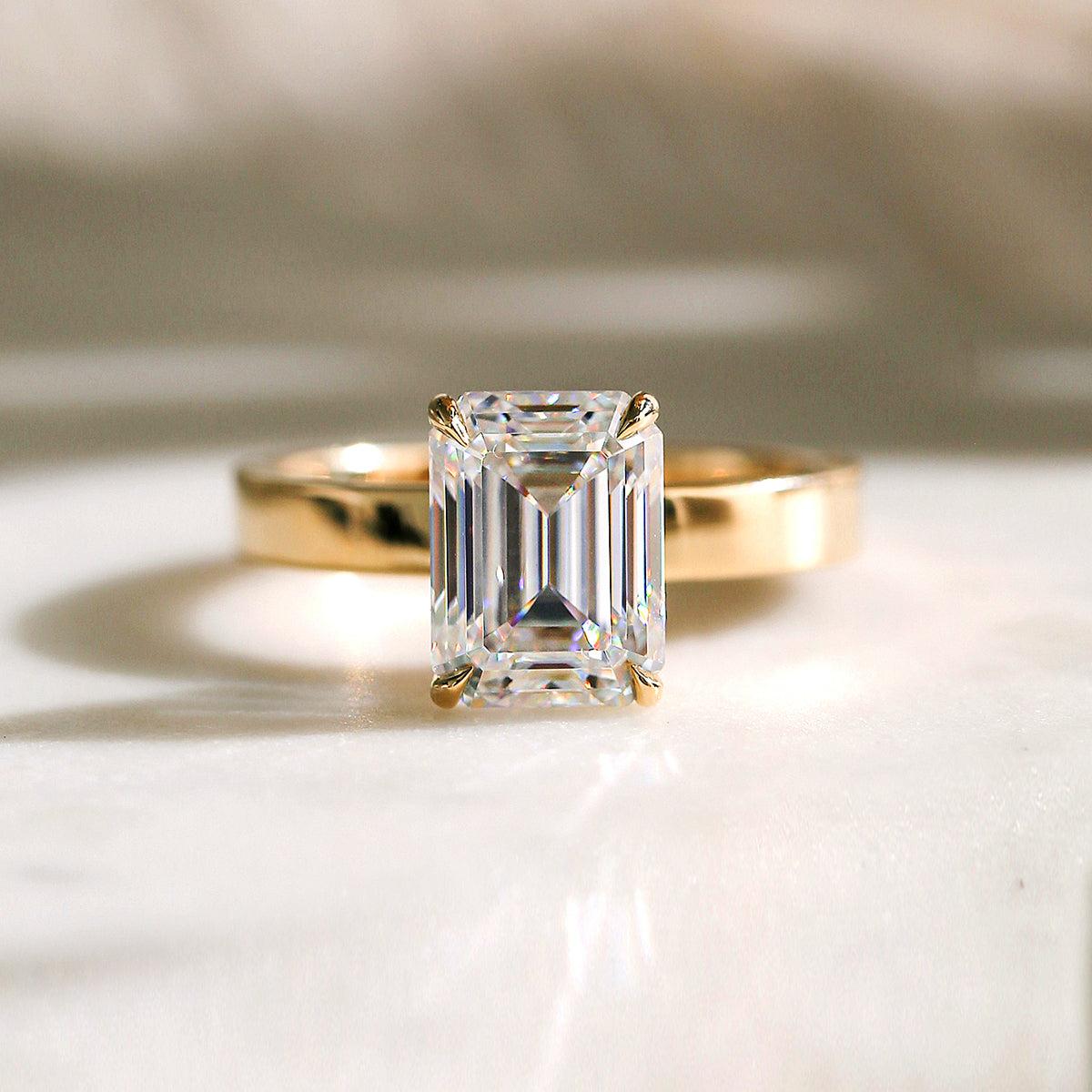
Every diamond shape has its own characteristics, and the emerald cut is recognized for its structured appearance. With its rectangular outline and step-cut facets, this diamond shape highlights clarity and depth.
The emerald cut creates wider reflections instead of focusing on many small flashes. This allows the natural features of the diamond to become more visible and gives the stone a unique personality.
Its balanced proportions make it a preferred choice for people who appreciate clean designs and carefully planned details. It works beautifully with different settings, allowing buyers to explore a variety of styles.
The Warm Appeal of Yellow Gold
Choosing the right metal is an important part of designing an engagement ring. Yellow gold has been appreciated for years because of its rich color and ability to complement many different jewelry preferences.
The warm tone of yellow gold creates a strong contrast with diamonds and allows the center stone to stand out. It also pairs well with wedding bands and other jewelry pieces.
For those who want to read more emerald cut engagement rings in yellow gold, comparing different designs can help you understand how metal color, band style, and setting choices change the overall look.
Why the Setting Matters as Much as the Diamond
A beautiful diamond needs a carefully designed setting to support and protect it. The setting influences how much of the stone is visible and how comfortable the ring feels during regular wear.
The claw prong style remains a popular option because it provides security while allowing the diamond to remain the main focus. Buyers who choose to explore claw prong Emerald Cut Engagement Ring designs often appreciate the way this setting highlights the shape of the emerald cut.
A quality setting is created with careful attention to balance and structure, helping the ring maintain its beauty and durability.
Creating a Ring With Personal Character
An engagement ring should feel connected to the person wearing it. While some buyers prefer simple designs, others search for details that make their ring feel more individual.
This is where unique emerald cut engagement rings become an appealing choice. Different band designs, accent stones, and creative setting details allow couples to select a ring that feels personal.
The most memorable designs are often created through thoughtful combinations rather than excessive decoration. A balanced approach can make a ring feel special while maintaining its natural character.
The Influence of Vintage Jewelry
Jewelry designs from earlier periods continue to inspire many engagement ring styles. Traditional craftsmanship often focused on detailed metalwork, careful proportions, and artistic finishing.
Those who appreciate these qualities often decide to buy antique emerald cut engagement rings because they enjoy the character found in vintage-inspired designs.
These styles create a connection between past and present by combining traditional influences with current craftsmanship. The result is a ring that carries a sense of history while being created for today’s buyers.
Exploring Lab-Grown Diamond Possibilities
Diamond choices have expanded, giving couples more options when selecting engagement rings. Lab-grown diamonds have become another option for buyers who want to compare different possibilities.
An emerald cut lab grown engagement ring allows couples to enjoy the recognizable design of the emerald cut while exploring another diamond choice.
For those considering different combinations, lab grown emerald cut engagement rings are available in various settings and precious metals. This gives buyers flexibility when searching for a design that fits their preferences.
Regardless of the diamond type, craftsmanship and attention to detail remain important factors in creating a beautiful ring.
Looking Beyond the Center Stone
While the center diamond often receives the most attention, the smaller design elements can have a major impact on the finished ring.
The relationship between the diamond size, band width, setting height, and metal finish determines how balanced the ring appears. These details influence both the visual appeal and the comfort of the piece.
When comparing yellow gold emerald cut engagement rings, buyers can see how different design choices create different results. A carefully planned ring often feels more complete because every element works together.
Making a Thoughtful Selection
Choosing an engagement ring is a personal process that requires consideration. Understanding diamond cuts, comparing settings, and learning about metal options can make the experience easier.
A ring should represent your preferences and fit naturally into your lifestyle. Taking time to evaluate different designs allows you to find a piece that feels meaningful from the beginning.
Antiquecut creates engagement rings with attention to craftsmanship, quality materials, and thoughtful design, helping couples find a piece that celebrates an important moment.
Final Thoughts
An engagement ring is more than a piece of jewelry. It becomes part of memories, celebrations, and everyday moments shared together.
From the structured design of an emerald-cut diamond to the warm character of yellow gold, every choice contributes to the final result. By understanding the details behind each element, you can select a ring that represents your commitment and remains meaningful for years to come.