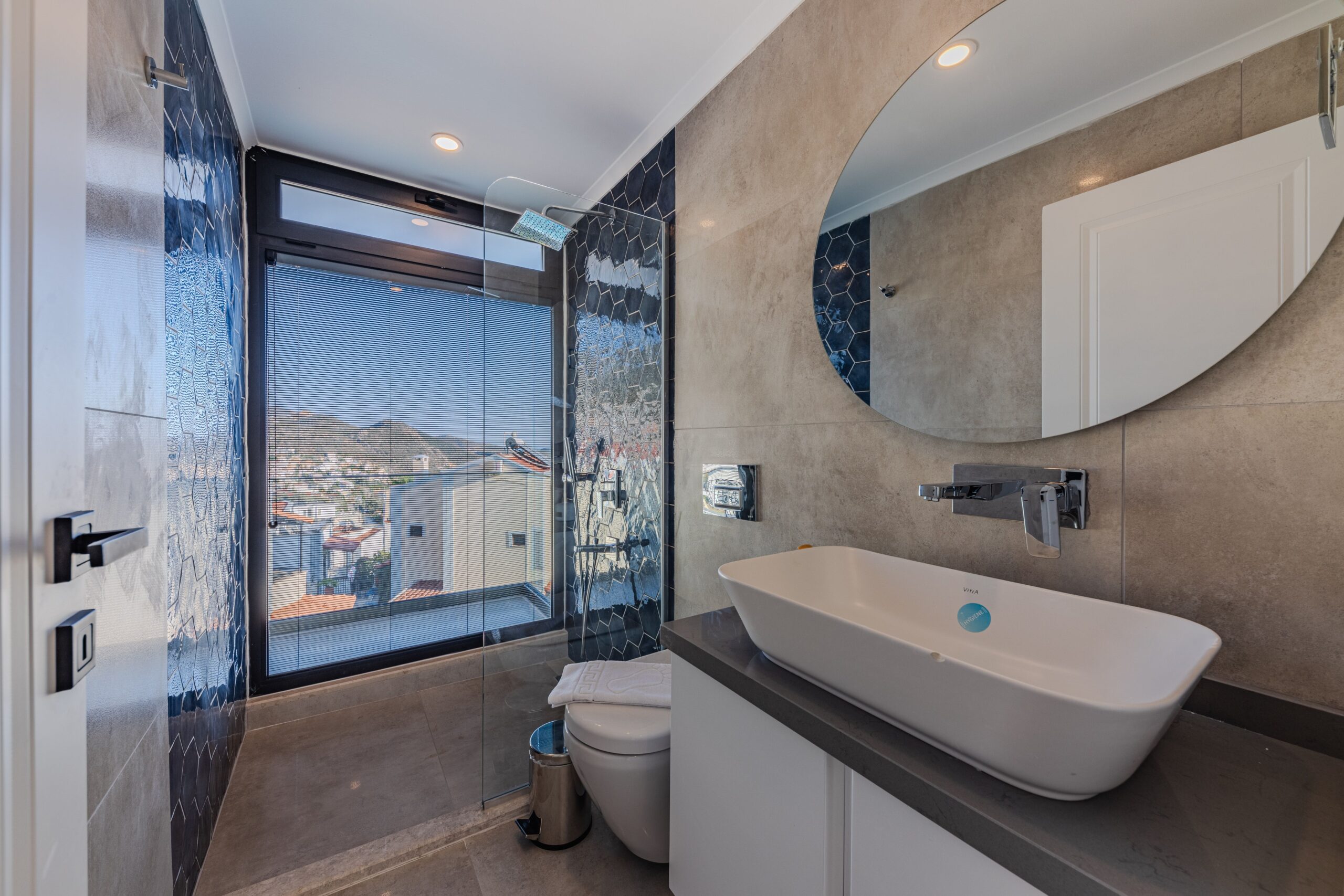
What if your small bathroom could feel less like a cramped necessity and more like a quiet little escape? Most people put up with tight corners, limited storage, and barely enough space to move—but with thoughtful design, even the smallest bathroom can become a surprisingly comfortable retreat, where function and calm actually meet.
The goal isn’t just to “fit everything in,” but to rethink how the space is used. With the right layout choices, fixtures, and design tricks, you can visually expand the room and improve everyday comfort without increasing square footage.
Below are 7 practical tips to help you maximize space in a small bathroom remodel while making it feel more inviting and less cramped.
1. Switch to a Space-Saving Door Design (Sliding Pocket Doors)
One of the most overlooked space-wasters in a small bathroom is the door swing. A traditional hinged door can take up 8–10 square feet of usable space every time it opens. That’s often the same area you desperately need for better circulation or a larger vanity.
Replacing it with sliding pocket doors is one of the most effective upgrades in a small remodel. A pocket door slides directly into the wall cavity instead of swinging inward or outward, instantly freeing up valuable floor space.
This simple change opens up several design advantages:
- You can install a wider vanity or additional storage cabinet near the entrance
- You gain more clearance in tight powder rooms or narrow layouts
- The bathroom feels less “boxed in” because there’s no door swing blocking sightlines
- It allows for better furniture placement since walls near the entry stay usable
In modern remodels, pocket doors also come in stylish finishes like frosted glass or minimalist wood panels, helping maintain both privacy and design continuity. If a full pocket system isn’t possible due to plumbing or wall constraints, a barn-style sliding door can be a strong alternative—but pocket doors remain the most seamless space-saving solution.
2. Choose a Floating Vanity to Open Floor Space
A bulky vanity that touches the floor can make a small bathroom feel heavier and more crowded. Switching to a floating (wall-mounted) vanity instantly creates the illusion of more space by revealing more floor area underneath.
This visual trick does more than just improve aesthetics. It also:
- Makes cleaning easier since you can sweep or mop underneath
- Improves airflow and light reflection across the floor
- Creates a more modern, minimal look that suits small spaces
Pair the floating vanity with a slim-profile sink or integrated countertop to reduce visual clutter even further. If storage is a concern, opt for drawers instead of cabinet doors to maximize internal organization without increasing footprint.
3. Use Large Tiles and Continuous Surfaces
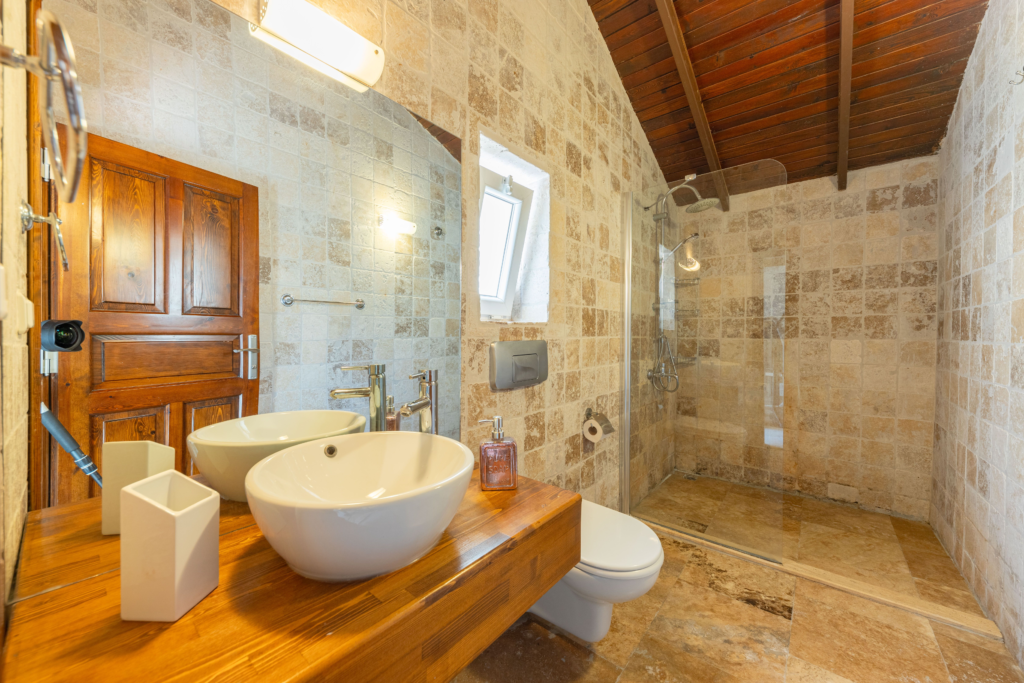
It may seem counterintuitive, but larger tiles can make a small bathroom feel bigger. Smaller tiles mean more grout lines, which visually chop up the space and make it feel busy.
Instead, go for:
- Large-format floor tiles (12×24 inches or bigger)
- Continuous wall tiles in light or neutral tones
- Matching or similar flooring and wall finishes to reduce visual breaks
Fewer grout lines create a smoother, more unified look that helps the room feel more expansive. Extending wall tiles into the shower area (without a hard transition line) also eliminates visual boundaries that can make the bathroom feel segmented.
For an even more open effect, consider using the same tile on both floors and lower walls, especially in modern or spa-inspired designs.
4. Maximize Vertical Storage Instead of Expanding Footprint
When floor space is limited, the only direction left to grow is upward. Vertical storage helps keep essentials organized without cluttering the room.
Smart vertical storage ideas include:
- Tall, narrow shelving units above the toilet
- Recessed wall niches inside the shower for toiletries
- Medicine cabinets that extend upward rather than outward
- Hooks and towel bars mounted higher on unused wall space
The key is to keep frequently used items within easy reach while reserving higher storage for less-used supplies. This keeps countertops clean and reduces the visual “noise” that makes small bathrooms feel cramped.
Built-in shelving is especially effective because it doesn’t protrude into the room, maintaining clean sightlines.
5. Upgrade Lighting to Create Depth and Warmth
Lighting plays a huge role in how spacious a bathroom feels. Poor lighting flattens the space and highlights its limitations, while layered lighting can add depth and warmth.
A strong lighting plan includes:
- Ambient lighting (ceiling fixtures or recessed lights)
- Task lighting around mirrors for grooming
- Accent lighting to highlight design features like tile or shelving
Warm white lighting tends to create a more cozy atmosphere, while cooler lighting enhances cleanliness and brightness. In very small bathrooms, combining both can strike a balance between comfort and clarity.
If possible, add a mirror that reflects natural light or install a larger mirror to visually double the space. Mirrored cabinets can also serve a dual purpose, reducing the need for extra storage furniture.
6. Stick to a Light, Cohesive Color Palette
Color has a powerful impact on perceived space. Dark or highly contrasting colors can make a small bathroom feel enclosed, while lighter, cohesive palettes create a sense of openness.
To maximize space visually:
- Use whites, soft grays, or pale neutrals as your base
- Limit accent colors to small decor items or one feature wall
- Match hardware finishes (like faucets, handles, and towel bars) for consistency
A unified color palette reduces visual fragmentation, which is key in small rooms. Even if you prefer bolder design choices, keeping them controlled and intentional will prevent the space from feeling overwhelmed.
For added warmth, incorporate natural textures like wood accents, woven baskets, or matte finishes to keep the room from feeling sterile.
7. Add Finishing Touches That Engage the Senses
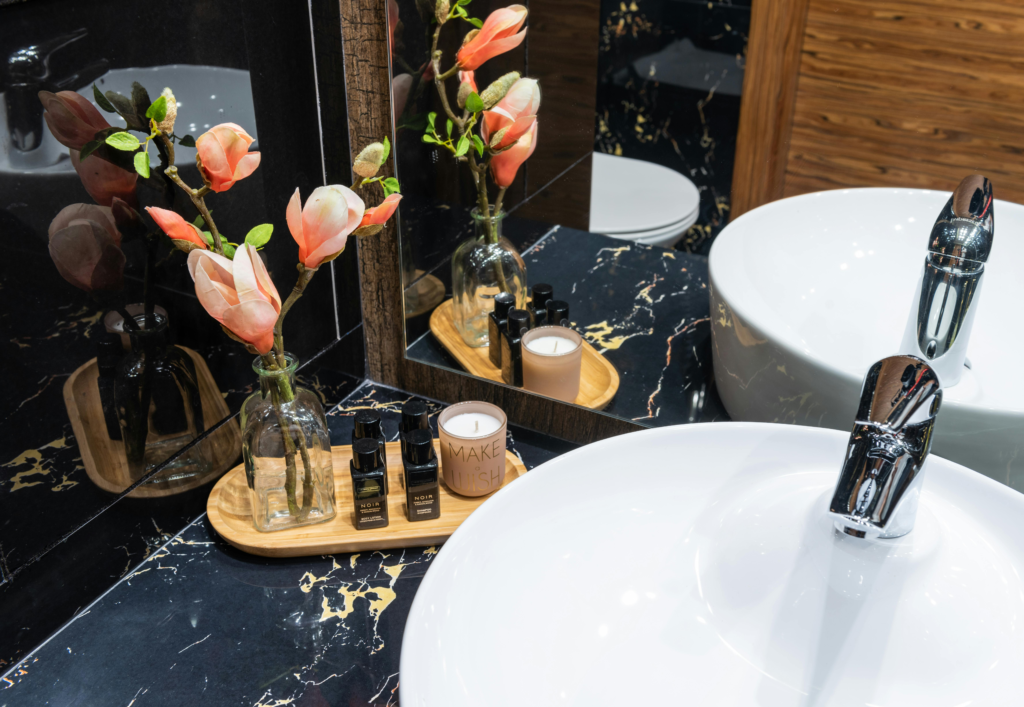
Once the layout and fixtures are in place, finishing touches are what turn a small bathroom from purely functional into something genuinely calming and personal.
- Start with visual warmth—a framed print, a simple piece of art, or a small plant can soften hard edges and make the space feel more inviting.
- Layer in subtle scent to shift the atmosphere. Candles, essential oil diffusers, or naturally scented soaps can quickly create a spa-like feel, especially with clean, light fragrances like eucalyptus or lavender.
- Finally, add tactile comfort underfoot. A soft bath mat or textured rug brings warmth and comfort to a space often dominated by hard, cold surfaces.
Individually small, these details work together to make the bathroom feel less utilitarian—and more like a quiet, relaxing escape.
Tiny Bathroom, Big Impact
A small bathroom doesn’t have to feel like a limitation. With thoughtful planning and the right design choices, it can become one of the most efficient and comfortable spaces in your home.
Author Bio: Carmina Natividad is a resident writer for Eclisse UK, a leading British supplier of sleek sliding pocket door systems and concealed frame door solutions that help homeowners and designers maximise space and style in any home. From clever space-saving ideas to stylish interior tips, she loves opening doors (literally and figuratively) to practical insights and creative inspiration.