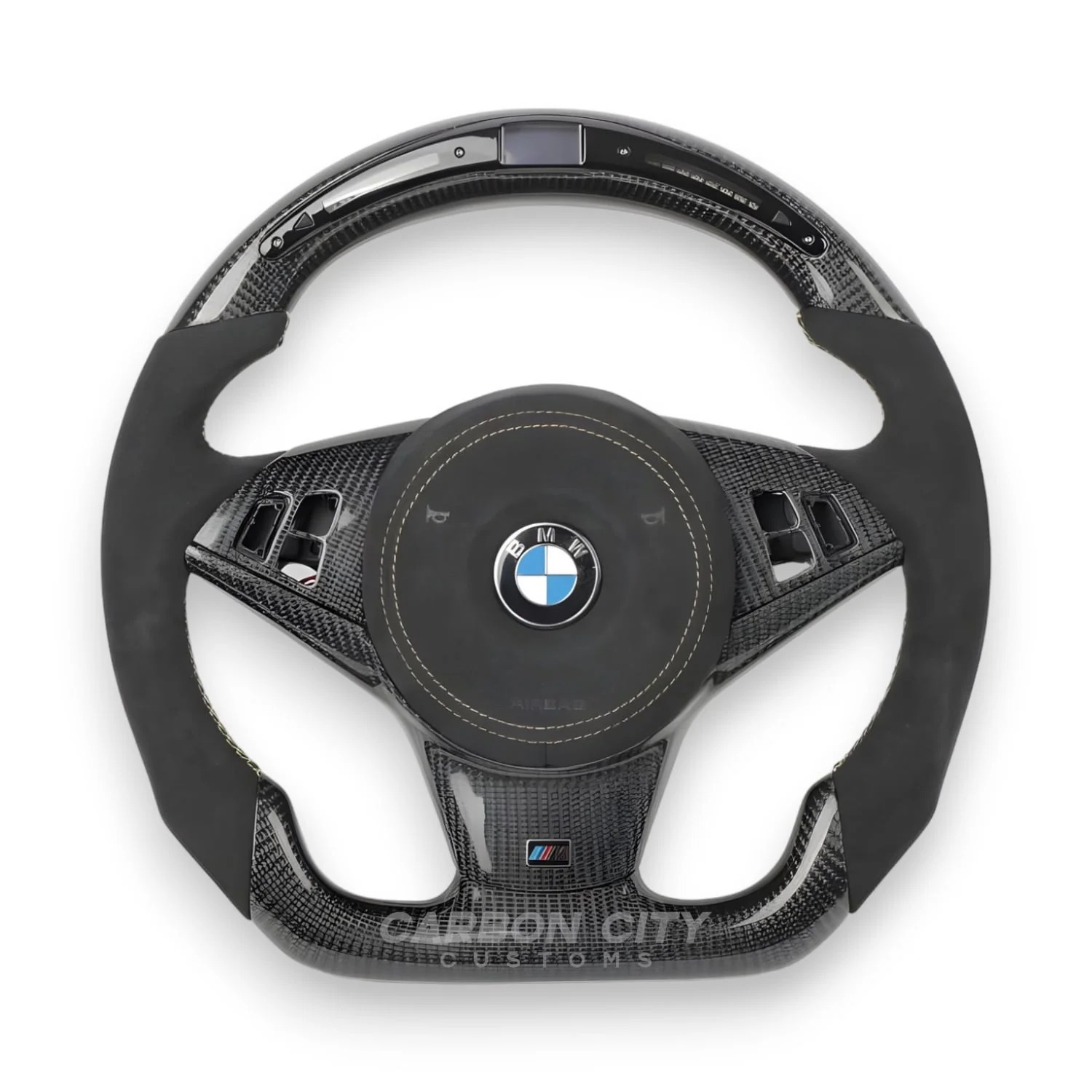
Autonomous driving technology is changing the way people think about the car interior, and few parts of the cabin symbolise that shift more than the steering wheel. For BMW owners, the steering wheel has always been more than a control device. It is a direct link to the car’s performance, feel, and identity. As driving systems become more advanced over the next decade, that relationship is likely to evolve in ways that affect both design and daily use.
The future will not arrive all at once. Instead, it will likely come through gradual changes in driver assistance, hands-free capability, and cabin design. That means the steering wheel may not disappear quickly, but its role could become more specialised, more adaptive, and more focused on moments when the driver truly needs control.
Why the steering wheel still matters
Even as vehicles gain more automation, the steering wheel remains one of the most important touchpoints in a BMW. It is where the driver feels road feedback, controls direction, and experiences the brand’s balance of precision and comfort. That physical connection is a big part of why many people choose BMW in the first place.
For now, full autonomy is still developing, which means drivers continue to expect direct control in many situations. Roads, weather conditions, and legal frameworks vary, especially in Australia, where long highways, city traffic, and regional driving all create different demands. Because of that, the steering wheel is still central to the driving experience and not just a leftover part of an older era.
How autonomy may change cabin design
As driver assistance systems improve, the cabin may shift toward a more flexible layout. In some cars, the steering wheel could become less visually dominant or include new controls that support mixed driving modes. In others, it may remain fully present but be used less often during routine travel.
This does not necessarily mean a dramatic loss of identity. BMW is known for building driver-focused interiors, so future designs may preserve the steering wheel while adapting its shape, materials, and function. That could include slimmer designs, touch-sensitive controls, or integration with digital systems that reduce physical clutter. The wheel may become a smarter interface rather than a purely mechanical one.
The steering wheel as a transition point
The most realistic future is one where the steering wheel becomes a bridge between manual and autonomous driving. In that scenario, the vehicle can handle routine tasks on its own, but the driver can quickly take over when needed. That kind of transition depends heavily on clear, intuitive steering wheel design.
A well designed BMW steering wheel would need to support confidence, comfort, and fast response. If autonomous features are active, the wheel must still feel ready for immediate use without creating confusion. If the driver reengages, the transition should feel natural rather than abrupt. That is where thoughtful design will matter just as much as software capability.
What drivers may expect from future designs
Over the next decade, BMW owners may see steering wheels that do more than steer. They may include refined haptic feedback, customisable controls, improved material durability, and clearer integration with digital driving modes. These upgrades could make the wheel feel more intelligent while still preserving the familiar BMW driving feel.
Drivers may also value steering wheels that adapt to different use cases. A commuter may want ease and comfort, while an enthusiast may still want strong tactile feedback and a sporty grip. The best future designs will likely try to satisfy both groups without making the cabin feel overly digital or detached. That balance will be important for maintaining BMW’s identity.
Why tactile quality will remain important
Even if autonomous systems improve significantly, people will still care about how a steering wheel feels. Texture, grip, stitching, diameter, and control placement all influence the sense of quality. These details matter because they shape the driver’s first physical impression every time they enter the car.
In a more automated future, tactile quality may become even more valuable. If the wheel is used less often, the moments when it is used will need to feel especially reassuring. That means BMW may continue refining materials and ergonomics so the steering wheel remains an object of trust, not just a backup control.
The role of aftermarket and personalisation
As technology changes, owners will still want ways to personalise their cars. Some drivers will focus on preserving a classic feel, while others will prefer more advanced or modern layouts. That opens the door for accessories and upgrades that support both style and function.
In the Australian market, this could matter even more because drivers often value practical durability alongside a premium feel. Steering wheel choices may reflect not only design preference but also comfort, climate use, and long term ownership goals. That makes the steering wheel one of the most likely areas where tradition and innovation will continue to meet.
Looking ahead
The next decade of autonomous driving will probably not erase the steering wheel from BMW interiors. Instead, it is more likely to redefine what the wheel does and how much attention it receives. It may become smarter, more adaptive, and more integrated with the rest of the cabin, while still preserving the core driving experience that BMW owners expect.
For now, the steering wheel remains a symbol of control and connection. As the industry moves toward greater autonomy, that symbol will likely evolve rather than disappear. Drivers who value both performance and future ready design will continue to look for solutions that preserve the feel of the cabin, which is why brands like Nevera Auto remain relevant in conversations about the future of BMW interiors.