There’s a moment every project manager knows well. You’re standing on a construction site, or in the middle of a pharmaceutical facility expansion, and someone walks up with a clipboard and a problem: the permanent cleanroom won’t be ready for another six weeks, but the product launch is in three. What do you do?
For a growing number of businesses across Singapore, the answer has quietly become: you bring the cleanroom to you.
Mobile clean rooms — modular, portable, and fully compliant cleanroom environments — are no longer a niche workaround. They’ve become a strategic asset. And in a city-state as dynamic and space-conscious as Singapore, that shift makes a lot of sense.
The Pressure Is Real
Singapore operates at a pace that doesn’t forgive delays. Whether you’re in semiconductor manufacturing along Woodlands, pharmaceutical production in Tuas Biomedical Park, or aerospace maintenance at Seletar, the expectation is simple: keep moving, stay compliant, and don’t let infrastructure gaps slow you down.
Permanent cleanrooms are extraordinary investments. They require dedicated facility space, long construction timelines, regulatory approvals, and significant capital expenditure. For many companies — especially SMEs, startups in the biotech corridor, or businesses managing project-based contracts — that kind of commitment isn’t always feasible or practical.
This is where mobile clean rooms quietly step in and solve a problem most people didn’t realize had a solution.
What Exactly Is a Mobile Clean Room?
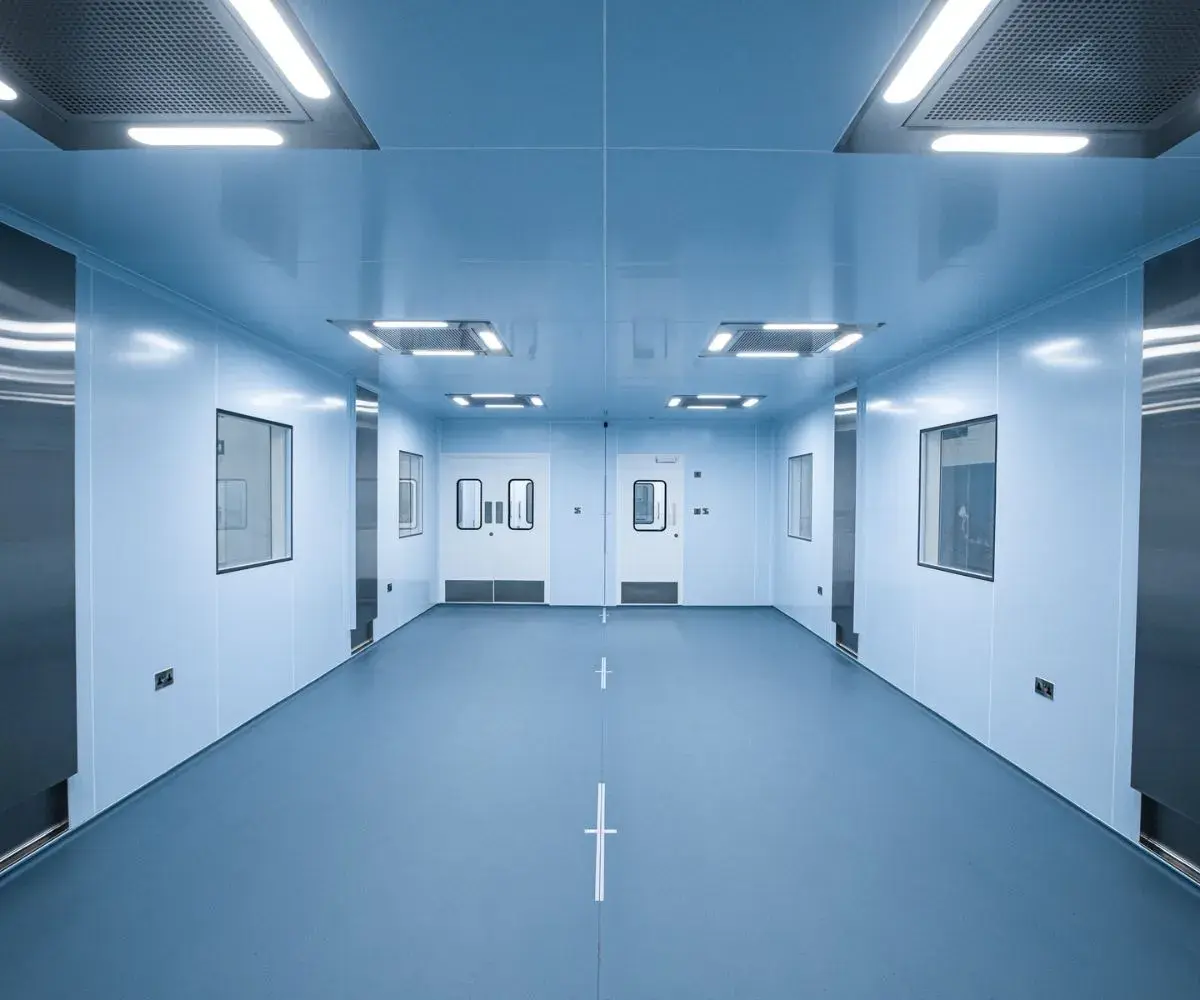
Think of it as a certified, self-contained workspace that can be transported, set up, and operational within days rather than months. Mobile clean rooms are pre-engineered environments designed to maintain ISO classification standards — controlling particulate counts, temperature, humidity, and pressure — just like their permanent counterparts.
They come in various formats: containerized units that arrive on a flatbed truck, inflatable softwall structures ideal for temporary field use, or modular panel systems that can be configured to fit almost any available space.
What makes them genuinely impressive isn’t just the portability. It’s the fact that they work. A properly configured mobile cleanroom can meet ISO Class 5 through ISO Class 8 standards, making them suitable for everything from microelectronics assembly to sterile drug compounding.
Why Singapore in Particular?
Singapore’s geography creates a unique set of constraints. Land is limited, real estate is expensive, and companies often work across multiple sites or manage operations that shift as contracts evolve. There’s also a strong culture of regulatory compliance — the Health Sciences Authority (HSA), the Singapore Food Agency (SFA), and various aerospace authorities maintain rigorous standards that don’t bend for infrastructure convenience.
Mobile clean rooms fit this environment remarkably well.
For a local medical device company awaiting renovation of its main facility, a mobile unit bridges the gap without halting production. For a regional pharmaceutical firm setting up a temporary manufacturing line ahead of a market trial, it provides a compliant environment without committing to permanent infrastructure. For an aerospace MRO (maintenance, repair, and overhaul) provider handling a specialized contract at a remote hangar, it delivers controlled conditions wherever the aircraft is.
The versatility isn’t a gimmick — it’s a genuine operational advantage.
The Human Side of It
What often gets overlooked in technical discussions about cleanroom standards and ISO classifications is the human experience inside these spaces.
Good mobile clean room providers understand that people will be working inside these units for extended periods. That means thoughtful ergonomic design, proper lighting that doesn’t cause eye strain during intricate assembly work, airflow systems that feel comfortable rather than oppressive, and enough interior space that technicians can move without feeling confined.
Singapore’s workforce is skilled and exacting. Workers in electronics, biomedical, and aerospace sectors know when a workspace is well-designed and when it isn’t. A poorly configured cleanroom — permanent or mobile — leads to errors, fatigue, and eventually, quality problems. The best mobile cleanroom providers take this seriously, and it shows in how their units are built.
Read Also: Why Modern Businesses Rely on Freelance Web Design Dubai and Logo Design Dubai
Looking Ahead
As Singapore deepens its push into advanced manufacturing, precision engineering, and biotechnology under initiatives like Industry 4.0 and the Research, Innovation and Enterprise plans, the demand for flexible, compliant production environments will only grow.
Mobile clean rooms aren’t replacing permanent facilities. They’re complementing them — filling the gaps that rigid infrastructure planning inevitably creates in a fast-moving economy.
For businesses that need to stay agile without compromising on compliance or quality, they represent one of the more practical innovations to enter Singapore’s industrial landscape in recent years.
Sometimes, the cleanroom needs to come to you. In Singapore, increasingly, it does.