In today’s fast-moving business environment, companies with field teams need smarter ways to manage operations, improve communication, and increase productivity. Whether it is HVAC services, cleaning businesses, maintenance companies, healthcare support, or delivery services, field employees are the backbone of daily operations. However, managing remote teams without the right technology can lead to delays, poor communication, missed appointments, and customer dissatisfaction.
This is where smart mobile workforce management becomes essential. By using modern digital tools, businesses can streamline field operations, track employee performance, and improve customer service in real time. Mobile-based workforce solutions help companies stay connected with employees no matter where they are working.
What Is Smart Mobile Workforce Management?
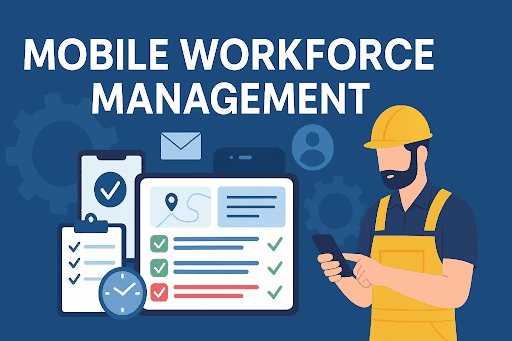
Smart mobile workforce management is a digital system designed to manage field employees using mobile technology. It helps businesses assign tasks, track employee locations, monitor job progress, manage schedules, and communicate instantly through mobile devices.
Unlike traditional workforce management methods that rely on paperwork, phone calls, or manual coordination, mobile solutions automate daily operations. Managers can access real-time information, while field workers can receive updates and complete tasks directly from their smartphones or tablets.
Businesses that use smart workforce tools gain better visibility into operations, faster response times, and higher employee efficiency.
Why Field Employees Need Mobile Solutions
Field employees often work outside the office in different locations throughout the day. Without a centralized system, it becomes difficult for businesses to monitor work progress or provide instant support.
Mobile workforce solutions help eliminate these challenges by giving employees access to important information while on the move. They can view job details, update task status, upload photos, collect signatures, and communicate with managers instantly.
This level of connectivity improves both employee performance and customer experience.
Key Features of Smart Workforce Management
Real-Time Job Scheduling
Managers can assign and schedule jobs instantly using mobile software. Employees receive notifications directly on their mobile devices, reducing delays and confusion.
Real-time scheduling also allows businesses to handle emergency service requests more effectively. If a technician becomes available nearby, managers can quickly assign new tasks without wasting travel time.
GPS Tracking and Route Optimization
GPS tracking helps companies monitor employee locations in real time. This improves accountability and ensures that field teams reach customer locations on schedule.
Route optimization features also help employees avoid traffic and reduce travel time. Businesses save fuel costs while improving service efficiency.
Mobile Task Management
Employees can manage their daily tasks directly through mobile applications. They can update work status, upload reports, add notes, and mark jobs as completed.
Using mobile workforce management software allows businesses to reduce paperwork and simplify communication between office staff and field employees. Everything is stored digitally, making it easier to track work history and employee performance.
Instant Communication
Communication gaps are one of the biggest challenges for field service businesses. Mobile workforce tools allow managers and employees to stay connected through instant messaging, notifications, and live updates.
This ensures that employees always have the latest job details and customer information before arriving on-site.
Attendance and Time Tracking
Mobile workforce systems help businesses track employee attendance and working hours accurately. Employees can check in and out using their mobile devices, reducing time theft and manual errors.
Managers can also monitor overtime, break times, and productivity levels more effectively.
Benefits of Smart Mobile Workforce Management
Improved Productivity
One of the biggest advantages of mobile workforce management is increased productivity. Employees spend less time handling paperwork or contacting the office for updates.
With everything available on mobile devices, field workers can focus more on completing tasks efficiently.
Faster Response Time
Customers expect quick service and real-time updates. Mobile workforce systems help businesses respond faster by improving coordination between dispatchers and field employees.
Managers can assign nearby employees to urgent tasks instantly, reducing delays and improving customer satisfaction.
Better Customer Experience
Satisfied customers are essential for business growth. Smart workforce tools help employees arrive on time, access customer history, and provide faster service.
Many systems also allow customers to receive appointment notifications and live status updates, creating a more professional experience.
Reduced Operational Costs
Manual operations often lead to higher administrative costs and wasted resources. Mobile workforce software reduces paperwork, minimizes travel expenses, and improves scheduling efficiency.
Businesses can complete more jobs in less time while lowering operational costs.
Improved Data Accuracy
Paper-based systems increase the risk of errors and lost information. Mobile solutions store all job details digitally, ensuring accurate records and easier reporting.
Managers can access reports instantly to monitor team performance and business growth.
Industries That Benefit from Mobile Workforce Management
Many industries rely heavily on field employees and can benefit from smart mobile solutions.
HVAC and Maintenance Services
Technicians can receive work orders, update job status, and access customer details from their mobile devices. This improves service speed and efficiency.
Cleaning Businesses
Cleaning teams can track schedules, manage tasks, and communicate with supervisors in real time. Managers can also monitor attendance and job completion more effectively.
Healthcare Services
Healthcare providers with mobile staff can manage patient visits, schedules, and communication securely through workforce management systems.
Delivery and Logistics
Delivery businesses can optimize routes, track drivers, and provide customers with live delivery updates.
Utility and Telecom Services
Field technicians can access repair histories, manage installations, and update reports instantly while working on-site.
How Mobile Technology Is Changing Workforce Management
The rise of smartphones and cloud-based software has completely transformed field service operations. Businesses no longer need to rely on outdated systems or manual coordination.
Modern mobile workforce platforms provide centralized dashboards where managers can track everything from employee locations to customer requests. Artificial intelligence and automation are also helping businesses predict scheduling needs, optimize routes, and improve workforce planning.
Cloud storage allows businesses to access data securely from anywhere, improving flexibility and remote management capabilities.
Challenges Businesses Can Solve
Many businesses struggle with issues such as missed appointments, delayed communication, low employee accountability, and inefficient scheduling.
Smart workforce management solutions help solve these problems by providing:
- Real-time employee tracking
- Automated scheduling
- Faster communication
- Digital job reporting
- Mobile access to work information
- Better customer coordination
These improvements help businesses operate more efficiently while delivering better service quality.
Tips for Choosing the Right Mobile Workforce Solution
When selecting workforce management software, businesses should focus on features that match their operational needs.
Important factors include:
- Easy mobile access
- User-friendly interface
- GPS tracking capabilities
- Real-time scheduling
- Reporting and analytics
- Cloud-based storage
- Integration with existing systems
- Customer support availability
Choosing the right platform can significantly improve team productivity and long-term business performance.
The Future of Mobile Workforce Management
As businesses continue adopting digital technologies, mobile workforce management will become even more advanced. Artificial intelligence, automation, predictive analytics, and IoT devices are expected to play a major role in future workforce solutions.
Businesses that invest in smart workforce management today will gain a competitive advantage by improving efficiency, reducing costs, and delivering better customer experiences.
Mobile technology is no longer just an option for field service businesses—it is becoming a necessity for growth and operational success.
Conclusion
Smart mobile workforce management is transforming the way businesses manage field employees. From real-time scheduling and GPS tracking to digital reporting and instant communication, mobile solutions help businesses improve productivity and customer satisfaction.
Companies that rely on field teams can benefit greatly from adopting modern workforce management systems. By reducing manual work and improving operational visibility, businesses can complete jobs faster, manage employees more effectively, and stay competitive in today’s digital world.
As technology continues to evolve, mobile workforce management will remain a key tool for businesses looking to build smarter, more efficient field operations.