Homeowners researching solar for the first time often search for how to make solar power system setups work for their own house, expecting a complicated technical process. While the engineering behind solar technology is genuinely complex, the actual planning process from a homeowner’s perspective is much more approachable once broken into clear steps.
The first step in figuring out how to make solar power system planning realistic is reviewing your household’s actual electricity usage. Looking at the past twelve months of utility bills gives a clear picture of seasonal patterns and average monthly consumption. This information becomes the baseline for determining how large a system needs to be to meaningfully offset your bills.
Next comes assessing your roof’s condition, angle, and orientation, along with any shading from trees or nearby structures. South facing roofs generally receive the most consistent sunlight, though east and west facing roofs can still work well in many cases. If roof space is limited or heavily shaded, ground mounted panels might be a better alternative depending on available property space.
Once energy needs and site conditions are understood, the next stage involves selecting panels, an inverter, and optional battery storage suited to those specific requirements. Higher efficiency panels can be worth the added cost for homes with limited roof space, while standard efficiency panels may be perfectly sufficient for larger roofs with plenty of room. Simply Solar guides homeowners through these equipment decisions individually, since the ideal setup for one home can look quite different from what makes sense for the house next door.
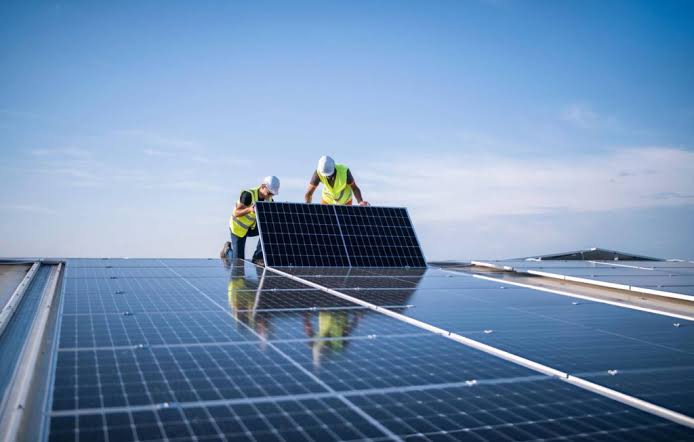
This is the stage where how to make solar power system plans actually turn into a physical installation. Permits must be secured from local building departments, and the utility company needs to approve interconnection before the system can be turned on. Professional installers handle the wiring, mounting, and electrical connections, followed by a final inspection to confirm everything meets code requirements.
Once the system passes inspection and receives utility approval, it can be activated and will begin generating electricity right away. Most systems include a monitoring app so homeowners can track daily production and quickly notice if performance drops for any reason, whether from shading changes, dirt buildup, or an equipment issue needing attention.
Understanding how to make solar power system planning work for your own home really comes down to knowing your energy usage, evaluating your property honestly, choosing appropriate equipment, and working with an experienced team through permitting and installation. With those pieces in place, a solar power system can be designed and installed with far less uncertainty than most homeowners expect going in.