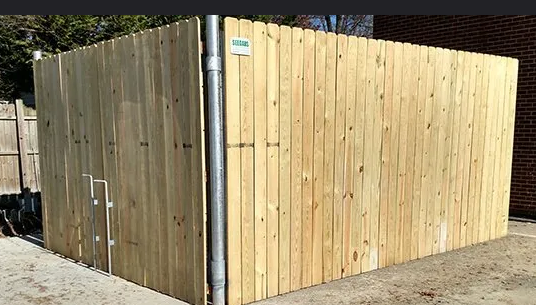
For years, dumpster enclosures were treated as purely functional structures—built simply to hide waste containers from view. Today, that mindset is changing. Property owners, developers, and facility managers are recognizing that every visible part of a property contributes to its overall appearance and user experience. A modern dumpster enclosure is no longer just a screening solution; it is a thoughtfully designed feature that improves aesthetics, supports sustainability, enhances security, and simplifies waste management. As design standards continue to evolve, innovative enclosure ideas are helping properties look cleaner, operate more efficiently, and create lasting positive impressions.
Why Dumpster Enclosure Design Is Changing
Modern properties are expected to deliver more than functionality. Visitors, tenants, customers, and employees appreciate environments that are clean, organized, and visually appealing.
As a result, today’s enclosure designs focus on:
- Better curb appeal
- Long-term durability
- Lower maintenance
- Improved accessibility
- Environmental responsibility
- Enhanced safety
- Efficient waste collection
Instead of hiding dumpsters, the goal is to integrate the enclosure naturally into the property’s overall design.
Trend 1: Architectural Integration
One of the biggest design trends is making the dumpster enclosure look like a natural extension of the surrounding buildings.
Property owners are choosing:
- Matching exterior finishes
- Coordinated colors
- Similar rooflines
- Decorative masonry
- Consistent fencing styles
When the enclosure complements nearby architecture, it becomes far less noticeable while improving the property’s visual harmony.
Trend 2: Low-Maintenance Materials
Maintenance costs remain a significant concern for property managers.
Modern enclosure designs increasingly incorporate materials that resist weather, fading, moisture, and corrosion.
Popular choices include:
Composite Panels
Offer the appearance of wood without frequent refinishing.
Powder-Coated Metal
Provides excellent durability while resisting rust.
High-Quality Vinyl
Maintains a clean appearance with minimal upkeep.
Decorative Concrete
Combines strength with long-term durability.
Low-maintenance materials reduce operating costs while preserving appearance.
Trend 3: Sustainable Waste Management
Environmental awareness continues to influence property design.
Modern enclosures often include dedicated spaces for:
- Recycling
- Cardboard collection
- Organic waste
- Glass
- Plastic
- Metal
Organized waste separation supports recycling efforts while improving operational efficiency.
Trend 4: Enhanced Security Features
Security has become a higher priority for many commercial and residential properties.
Current enclosure designs often include:
- Heavy-duty locking systems
- Reinforced gates
- Motion-activated lighting
- Access control systems
- Protective bollards
These features discourage unauthorized dumping while protecting the waste management area from vandalism and accidental damage.
Trend 5: Smarter Space Planning
Rather than designing only for today’s waste volume, many modern projects anticipate future growth.
Flexible layouts may include:
- Expandable storage areas
- Additional recycling capacity
- Wider access lanes
- Modular wall systems
Planning ahead reduces the need for expensive modifications later.
Trend 6: Better Drainage Systems
Older waste areas often suffered from standing water and difficult cleaning conditions.
Today’s dumpster enclosure designs prioritize proper drainage through:
- Sloped flooring
- Drainage channels
- Permeable surrounding surfaces
- Easy-to-clean layouts
Improved water management reduces odors, protects materials, and supports better hygiene.
Trend 7: Attractive Landscaping
Landscaping is no longer reserved only for entrances and common areas.
Many properties now surround dumpster enclosures with:
- Evergreen shrubs
- Decorative grasses
- Stone edging
- Native plants
- Mulch beds
Properly planned landscaping softens the appearance of the enclosure while maintaining easy access for waste collection.
Trend 8: Improved Accessibility
Accessibility benefits both users and collection crews.
Modern designs emphasize:
Wide Gates
Allow smooth movement of large dumpsters.
Clear Pathways
Reduce delays during collection.
Durable Pavement
Supports repeated heavy vehicle traffic.
Convenient Layouts
Simplify daily waste disposal for employees and residents.
Good accessibility improves efficiency while reducing accidental damage.
Trend 9: Stronger Gate Systems
Gates experience constant use, making durability essential.
Modern gate improvements include:
- Reinforced frames
- Heavy-duty hinges
- Corrosion-resistant hardware
- Self-closing mechanisms
- Adjustable alignment systems
These upgrades reduce maintenance while improving security.
Trend 10: Cleaner, Minimalist Designs
Simple architectural styles continue gaining popularity.
Rather than elaborate decorative features, many property owners prefer:
- Straight lines
- Neutral colors
- Smooth finishes
- Hidden hardware
- Uniform materials
Minimalist designs complement a wide variety of architectural styles without appearing overly industrial.
Technology Is Becoming Part of Waste Management
Although still evolving, technology is influencing enclosure design.
Examples include:
- Automated access systems
- Motion-sensitive lighting
- Smart monitoring devices
- Digital maintenance scheduling
- Occupancy tracking for waste collection
These innovations help improve operational efficiency while supporting better facility management.
Features That Add Long-Term Value
Several modern upgrades continue delivering benefits long after installation.
These include:
- Corrosion-resistant finishes
- Washable interior surfaces
- Reinforced structural components
- Protective vehicle barriers
- Ventilation systems
- Durable flooring
- Modular construction
Each feature contributes to lower maintenance costs and longer service life.
Mistakes That Prevent a Modern Appearance
Even new enclosures can appear outdated if important design principles are ignored.
Common mistakes include:
Oversized Structures
Large blank walls often dominate the surrounding landscape.
Poor Material Coordination
Using unrelated colors or finishes creates visual inconsistency.
Ignoring Landscaping
Without surrounding greenery, the enclosure may appear isolated.
Limited Accessibility
Modern design must remain functional as well as attractive.
Weak Hardware
Low-quality gates quickly diminish the enclosure’s appearance.
Avoiding these mistakes helps maintain a clean, professional look.
How Modern Enclosures Improve Property Value
A thoughtfully designed dumpster enclosure contributes to the property’s overall quality in several ways.
Benefits include:
- Improved curb appeal
- Better waste organization
- Enhanced sanitation
- Increased safety
- Lower maintenance requirements
- Greater durability
- Better tenant satisfaction
- More efficient waste collection
- Stronger first impressions
While waste management areas rarely receive the same attention as entrances or landscaping, their condition influences how the entire property is perceived.
Planning for the Future
As waste management practices continue evolving, flexibility becomes increasingly important.
Property owners should consider designs that can adapt to:
- Additional recycling programs
- Growing occupancy
- Larger waste containers
- Changing collection schedules
- New sustainability initiatives
Flexible planning protects the investment while supporting future operational needs.
Conclusion
Modern dumpster enclosure design goes far beyond concealing waste containers. Today’s trends emphasize durability, accessibility, sustainability, security, and architectural integration, creating waste management areas that enhance both functionality and curb appeal. By selecting low-maintenance materials, improving drainage, incorporating landscaping, strengthening security, and planning for future growth, property owners can transform an often-overlooked service area into a valuable part of the overall property. Investing in modern enclosure design not only improves daily operations but also contributes to long-term value and a more positive experience for everyone who visits or uses the property.
FAQs
1. Can modern dumpster enclosure designs support future recycling programs?
Yes. Flexible layouts make it easier to add recycling or waste separation stations as sustainability goals evolve.
2. Why are minimalist enclosure designs becoming more popular?
Minimalist designs blend with many architectural styles, require less visual maintenance, and create a clean, contemporary appearance.
3. How does landscaping contribute to a dumpster enclosure?
Landscaping softens the visual impact of the enclosure, improves curb appeal, and helps integrate the waste area into the surrounding property.
4. Are modular dumpster enclosure designs a good long-term option?
Yes. Modular systems allow easier expansion, repairs, and future modifications without requiring a complete rebuild.