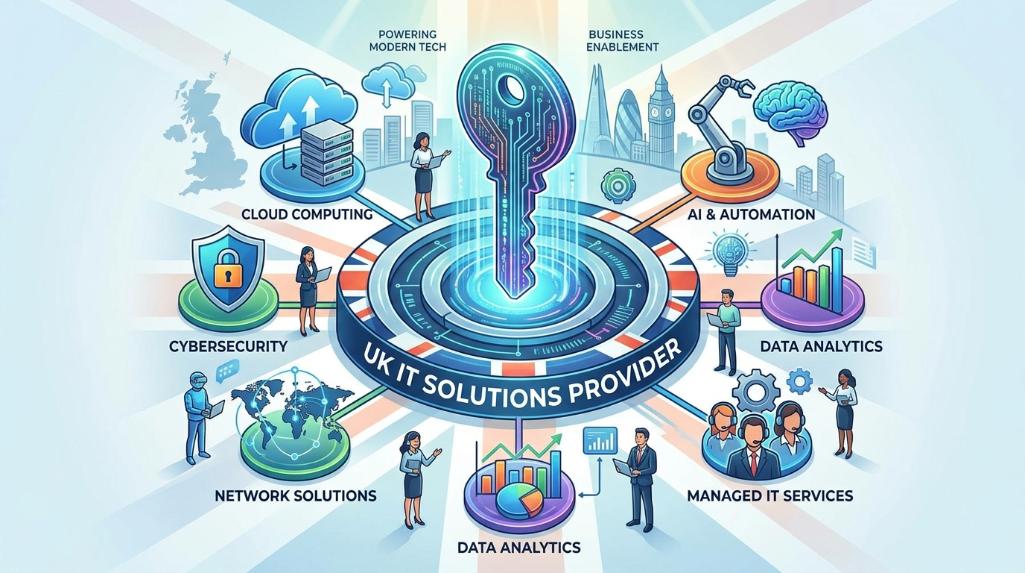
In an increasingly digitized market, business success is inextricably tied to the performance, resilience, and agility of an organization’s underlying technology. From adopting cloud-native architectures to maintaining seamless cross-platform security, modern enterprises face an unprecedented array of technical demands. For UK-based organizations operating under fast-shifting economic and regulatory conditions, keeping pace with rapid software evolution requires more than routine maintenance. It demands a holistic, forward-looking strategy that aligns technology infrastructure directly with commercial growth goals.
Relying solely on internal IT teams to manage day-to-day helpdesk tickets while simultaneously executing large-scale digital transformations often leads to operational burnout and missed product deadlines. To maintain high system availability and accelerate time-to-market, executive leaders are restructuring how technical resources are acquired and managed. By collaborating with specialized external partners, organizations can streamline operations, address critical skills shortages, and build scalable digital foundations capable of supporting long-term expansion.
Modernizing Enterprise Infrastructure for Modern Demands
The pace of software development and digital infrastructure management has outgrown traditional, fragmented IT setups. Modern organizations require cohesive ecosystems where cloud resources, internal databases, and third-party SaaS applications communicate securely and reliably. When infrastructure is built piecemeal without a clear technical roadmap, performance bottlenecks, unexpected downtime, and data silos inevitably follow, dragging down overall business efficiency.
Collaborating with a established IT solutions company UK enables businesses to systematically modernize legacy platforms and eliminate technical friction points. Rather than applying quick patches to outdated software, specialized providers evaluate system architectures end-to-end. They implement enterprise-grade cloud integrations, automate routine deployment pipelines, and optimize database management. This structured approach stabilizes system operations, allowing platforms to process higher transaction volumes without latency or system instability.
Furthermore, maintaining local compliance remains a vital operational priority for British enterprises. Adhering to strict regulatory frameworks such as UK GDPR and Cyber Essentials requires robust encryption standards, routine system audits, and granular identity access controls. Partnering with a dedicated UK-based provider ensures that security policies and data governance structures align directly with national legal standards, shielding the enterprise from regulatory penalties and preserving customer trust.
Scaling Technical Teams Through Strategic Talent Models
As digital transformation initiatives accelerate across sectors, the demand for senior engineering talent—such as DevOps leads, cloud architects, and full-stack developers—frequently exceeds domestic supply. Recruiting full-time technical specialists in the UK market can involve lengthy hiring timelines, high recruitment fees, and significant long-term payroll overhead. When core engineering positions remain open for extended periods, project roadmaps stall, leaving businesses vulnerable to agile competitors.
To maintain high execution speed without incurring permanent financial strain, technical directors increasingly leverage it staff augmentation services UK options. Sourcing project-ready external developers provides immediate engineering bandwidth directly into existing internal workflows. Augmented developers work seamlessly under internal leadership, adopting established coding guidelines and participating in daily agile standups. This model provides the technical capacity necessary to clear development backlogs and deploy new features rapidly.
Flexibility is the core advantage of team augmentation. As project requirements evolve—moving from initial feature prototyping to full-scale production rollouts—organizations can adjust their engineering resource levels dynamically. This flexibility prevents resource misallocations, ensures that specialized skills are deployed precisely when needed, and eliminates the long-term overhead associated with permanent recruitment during fluctuating business cycles.
Ensuring System Continuity and End-to-End Operational Support
Unplanned downtime represents one of the most immediate threats to enterprise profitability and client retention. Whether caused by silent server degradation, unpatched software vulnerabilities, or unmanaged traffic spikes, system outages disrupt core business operations and erode market reputation. To protect digital platforms, companies require around-the-clock infrastructure monitoring and proactive risk mitigation rather than reactive, emergency troubleshooting.
Engaging a full-service IT services company UK provides organizations with comprehensive system management and continuous technical oversight. External engineering teams deploy automated monitoring tools across cloud environments and endpoint networks to detect system anomalies before they trigger operational failures. By combining real-time performance telemetry with automated data backup pipelines and structured patch management, providers maintain continuous uptime and ensure rapid disaster recovery execution when issues arise.
Beyond emergency response, a strategic technology partner acts as an essential advisor for long-term technical planning. Through regular health audits, infrastructure reviews, and capacity forecasting, external specialists help executive leadership identify single points of failure before they cause downtime. This proactive management model transforms technology operations from an unpredictable cost center into a stable, high-performance engine designed for long-term growth.
Strategic Implementation Plan for Digital Modernization
To successfully modernize infrastructure, scale engineering output, and establish robust operational security, enterprise leadership should follow a clear, five-phase implementation framework:
- Infrastructure & Architecture Audit: Perform an in-depth assessment of existing cloud environments, legacy software, and database dependencies to map single points of failure and security gaps.
- Security & Compliance Alignment: Establish Zero Trust access protocols, role-based controls, and automated encryption practices aligned with UK GDPR standards.
- Agile Team Augmentation: Identify specialized skills gaps within internal development teams and deploy project-ready external engineers to accelerate roadmap execution.
- Proactive Monitoring & Automation: Integrate 24/7 telemetry tools alongside automated patch deployment and continuous integration (CI/CD) testing pipelines.
- Disaster Recovery Optimization: Configure encrypted offsite cloud backups and conduct regular simulated system recovery drills to ensure compliance with strict Recovery Time Objectives (RTO).
Frequently Asked Questions (FAQs)
What is the difference between project outsourcing and staff augmentation?
Project outsourcing transfers the entire management and execution of a technical deliverable to an external vendor. Staff augmentation inserts individual specialized engineers into your existing internal team, allowing you to retain direct control over project management, architecture, and code quality.
How can a UK-based IT partner help with regulatory compliance?
Local providers maintain deep expertise in UK GDPR, Data Protection Act guidelines, and Cyber Essentials standards. They configure infrastructure, access controls, and logging protocols to ensure your digital environment meets legal standards during formal audits.
Will augmenting engineering teams impact existing company culture?
No. Professional augmented developers integrate directly into your daily communications, participating in standard team rituals, scrums, and code reviews, ensuring seamless alignment with your internal team’s working style.
How does proactive infrastructure monitoring reduce operational costs?
Proactive monitoring identifies performance bottlenecks, disk space limits, and minor software bugs before they escalate into full-scale system crashes. Preventing downtime eliminates emergency repair expenses, lost transaction revenue, and productivity halts.
How quickly can a business onboard external developers via staff augmentation?
Because staff augmentation providers maintain pools of vetted, senior engineering talent, onboarding often occurs within days rather than the weeks or months typically required for traditional internal recruitment.
Conclusion
Navigating the complexities of modern digital architecture requires a commitment to proactive infrastructure management, agile software development practices, and continuous security oversight. By establishing strategic partnerships with dedicated UK technology firms and leveraging flexible staff augmentation models, organizations can modernize legacy platforms without disrupting daily operations. Building a resilient, high-performance tech stack reduces operational risk, accelerates innovation, and provides the digital foundation necessary to achieve sustainable market leadership.