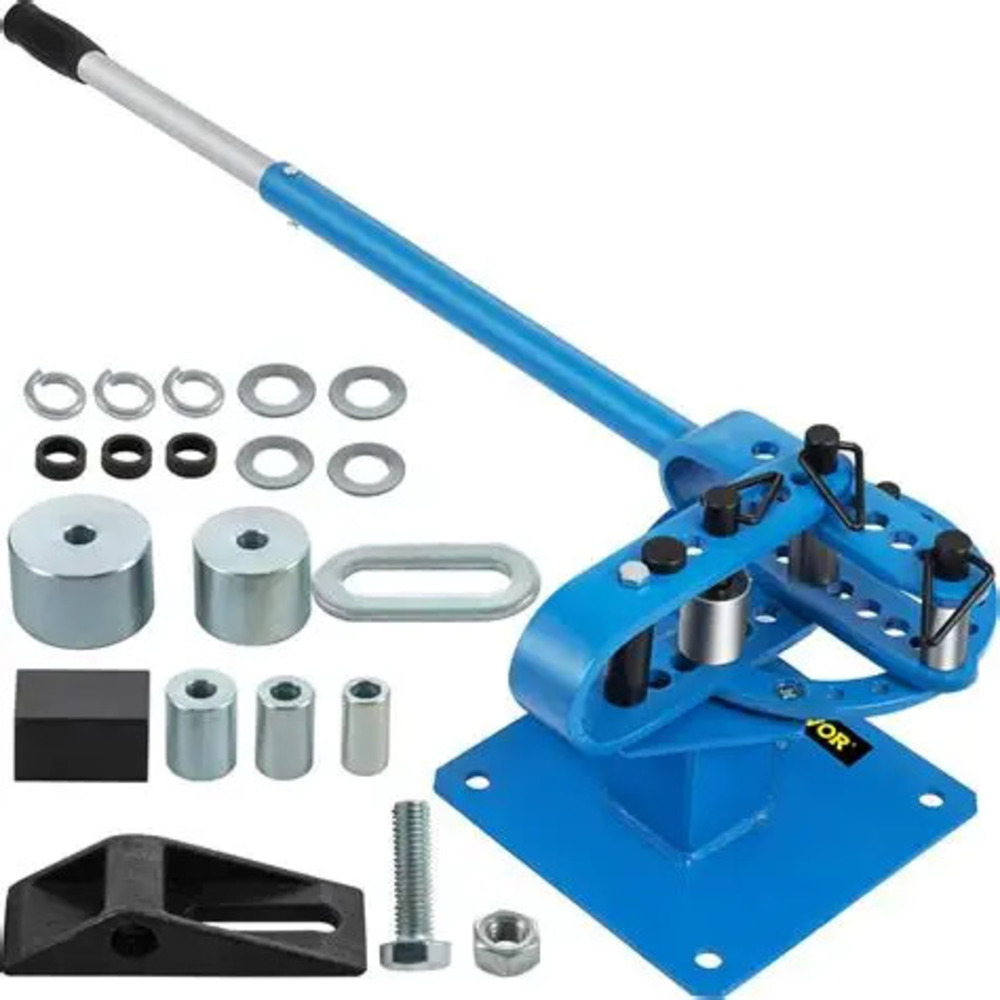
Metal fabrication and repair work often require precise bends to create strong, functional, and visually appealing components. While large bending machines are common in industrial settings, many professionals and DIY enthusiasts rely on metal bender hand tools for smaller projects and on-site tasks. These tools offer flexibility, affordability, and convenience, making them an essential addition to any workshop.
This guide explains the different types of metal bender hand tools, their benefits, and important factors to consider when choosing the right one for your needs.
What Is a Metal Bender Hand Tool?
A metal bender hand tool is a manually operated device designed to bend metal rods, strips, tubes, and wires into specific angles or shapes. Unlike powered machines, hand tools require physical force to create bends, making them ideal for light to medium-duty applications.
These tools are widely used in:
- Metal fabrication
- HVAC installation
- Electrical work
- Automotive repair
- Jewelry making
- Construction projects
- DIY and home improvement tasks
Because of their portability and ease of use, hand-operated metal benders remain popular among professionals and hobbyists alike.
Common Types of Metal Bender Hand Tools
Different projects require different bending tools. Understanding the available options can help users select the most suitable solution.
1. Manual Rod Benders
Manual rod benders are designed to bend steel rods, rebar, and flat bars. They feature a sturdy frame and leverage mechanism that allows users to create accurate bends with minimal effort.
These tools are commonly used in:
- Reinforcement bar fabrication
- Construction work
- Fence manufacturing
- Structural metal projects
Their heavy-duty design makes them suitable for demanding applications.
2. Tube and Pipe Benders
Tube benders are specifically engineered to bend copper, aluminum, stainless steel, and mild steel tubing without collapsing or deforming the material.
Common applications include:
- Plumbing systems
- HVAC installations
- Automotive exhaust systems
- Hydraulic lines
Many tube benders come with interchangeable dies that accommodate various pipe diameters.
3. Wire Bending Tools
Wire bending hand tools are ideal for forming thin metal wires into loops, curves, and intricate shapes.
Industries that frequently use these tools include:
- Jewelry manufacturing
- Electrical assembly
- Craft production
- Decorative metalwork
Their compact size provides excellent control and precision.
4. Sheet Metal Hand Brakes
Hand brakes are designed for bending sheet metal into precise angles. These tools are often used when producing panels, ducts, and enclosures.
Typical applications include:
- Roofing projects
- HVAC duct fabrication
- Sign manufacturing
- Custom metal panels
Hand brakes deliver clean and consistent bends while minimizing material damage.
5. Specialty Metal Bending Tools
Certain projects require specialized hand tools designed for unique tasks, such as:
- Ring bending
- Scroll bending
- Decorative ironwork
- Jewelry forming
These tools help create complex designs and artistic patterns with high accuracy.
Benefits of Using Metal Bender Hand Tools
Manual metal bending tools provide several advantages that make them practical for various industries.
Portability
Unlike large machines, hand tools are lightweight and easy to transport. Contractors and technicians can carry them directly to job sites, reducing downtime and improving efficiency.
Cost-Effective Solution
Hand-operated metal benders are generally more affordable than powered equipment. Small workshops and DIY users can perform quality bending tasks without investing in expensive machinery.
Ease of Use
Most hand tools require minimal training. Their straightforward operation allows users to complete projects quickly and efficiently.
Improved Precision
Quality metal bender tools are engineered to produce accurate bends, reducing the likelihood of errors and material waste.
Versatility
Many hand tools can handle multiple materials, including:
- Steel
- Aluminum
- Copper
- Brass
- Stainless steel
This versatility makes them valuable for diverse applications.
No Power Requirement
Since manual benders operate without electricity, they are ideal for remote locations or environments where power access is limited.
Materials Commonly Bent with Hand Tools
Metal bender hand tools are compatible with various materials, including:
Mild Steel
Mild steel is widely used because of its strength and flexibility. It is commonly found in construction and fabrication projects.
Aluminum
Aluminum is lightweight and easy to bend, making it popular for automotive and aerospace applications.
Copper
Copper tubing and wire are frequently bent during plumbing and electrical installations.
Stainless Steel
Although stainless steel requires greater force, many heavy-duty hand benders are designed to handle this durable material.
Brass
Brass offers excellent workability and is often used for decorative and precision components.
Factors to Consider When Choosing a Metal Bender Hand Tool
Selecting the right tool depends on several important factors.
Material Type
Different metals require varying levels of force and specialized bending mechanisms. Ensure the tool is compatible with the material you intend to work with.
Material Thickness
Check the manufacturer’s specifications regarding maximum thickness or diameter capacity. Overloading a tool can reduce accuracy and shorten its lifespan.
Desired Bend Angle
Some projects require simple 90-degree bends, while others involve complex curves or multiple angles. Choose a tool capable of meeting those requirements.
Durability
High-quality tools made from hardened steel or heavy-duty alloys provide greater longevity and consistent performance.
Ergonomic Design
Comfortable handles and efficient leverage systems reduce user fatigue, especially during repetitive tasks.
Portability Requirements
Field technicians and contractors often benefit from lightweight and compact tools that are easy to transport.
Interchangeable Components
Some advanced hand benders include replaceable dies and accessories that expand their capabilities and accommodate different material sizes.
Maintenance Tips for Metal Bender Hand Tools
Proper maintenance helps maximize tool performance and lifespan.
Keep the Tool Clean
Remove dirt, metal shavings, and debris after each use to prevent premature wear.
Lubricate Moving Parts
Regular lubrication minimizes friction and ensures smooth operation.
Inspect for Damage
Check handles, pivots, and bending components for cracks or excessive wear. Replace damaged parts promptly.
Store Properly
Keep tools in a dry environment to prevent rust and corrosion.
Follow Capacity Limits
Using the tool within its recommended specifications helps maintain accuracy and extends service life.
Final Thoughts
Metal bender hand tools are indispensable for professionals and DIY enthusiasts who require reliable and precise metal forming capabilities. From rod benders and tube benders to sheet metal brakes and specialty tools, each type serves a unique purpose across numerous industries.
By understanding the available options, their advantages, and key selection criteria, users can choose the most suitable tool for their projects. Investing in a high-quality metal bender hand tool not only improves efficiency but also ensures consistent results, making it a valuable asset for fabrication, maintenance, and repair work.
Article publish by: tokohasil – toko baut & mur