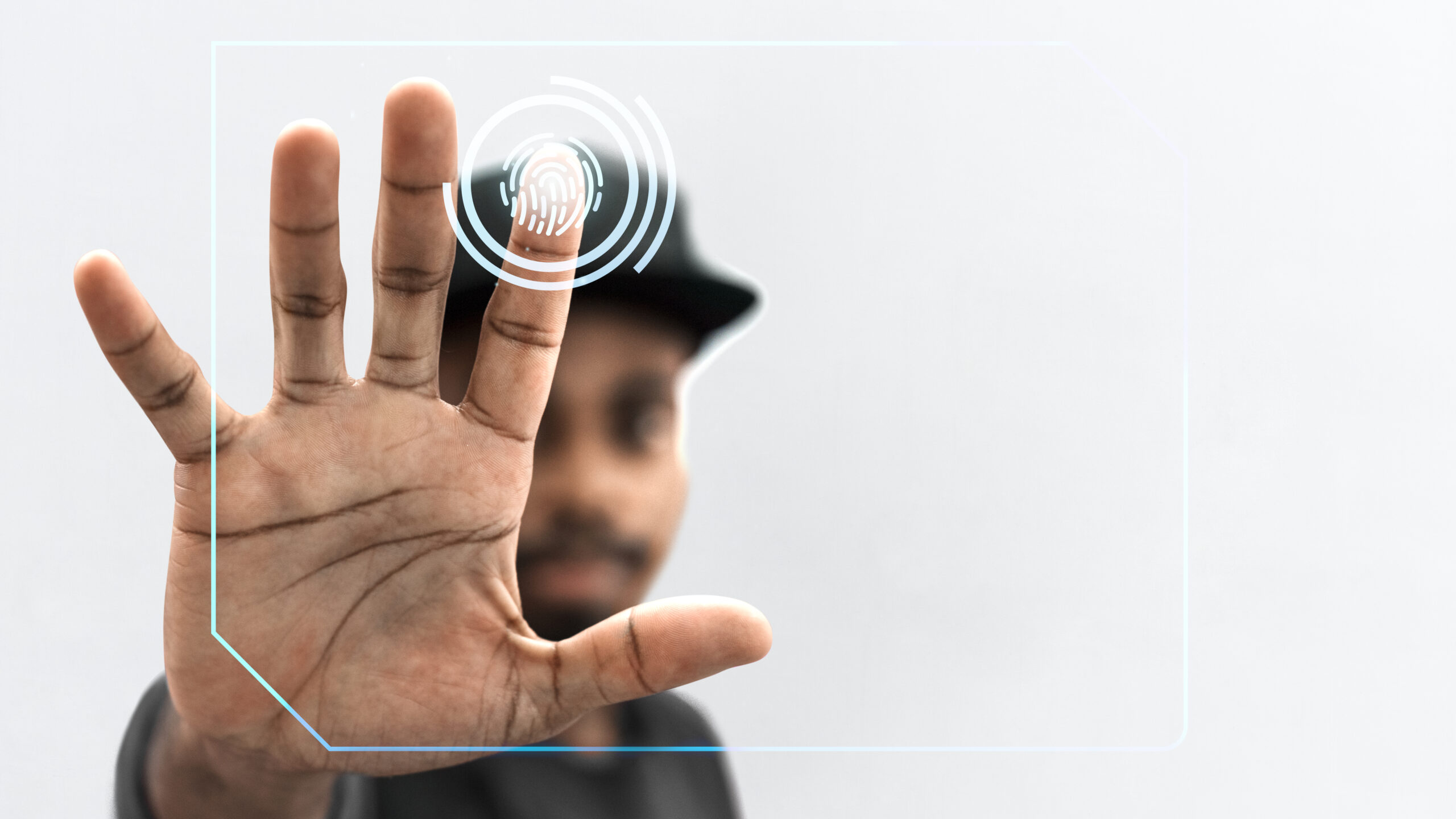
Every person has a unique fingerprint. No two people have the same pattern. Even identical twins have different fingerprints. That is why fingerprints are trusted around the world. They help prove who someone is. They also help keep people, businesses, and communities safe.
Many people need fingerprinting services at some point in life. You may need them for a new job. You may need them for travel, a license, or a legal document. At first, the process may seem confusing. I felt the same way before my first appointment. Once I understood each step, everything became simple. This guide will help you know what happens before, during, and after the process.
The fingerprint identification process has changed over the years. Long ago, people used only ink and paper. Today, many places use digital scanners. These tools are clean, fast, and more accurate. They also make it easier to store and compare fingerprint records.
The good news is that you do not need special knowledge before your visit. A little preparation goes a long way. Knowing what to expect can help you feel calm and ready. It also helps you avoid simple mistakes that may delay the process.
What Is Fingerprint Identification?
Fingerprint identification is the process of matching a person’s fingerprints with existing records. Every fingerprint has tiny lines and shapes. These details stay almost the same throughout life.
Experts study these patterns very carefully. They compare one set of prints with another. If the patterns match, they can confirm a person’s identity.
This method has been used for many years. It remains one of the most trusted ways to identify people.
Why Fingerprints Are So Reliable
Fingerprints are unique from birth. They rarely change unless there is a serious injury.
Each finger has small details called ridge patterns. These tiny details help experts tell one person from another.
Modern computer systems make the matching process much faster. They can compare thousands of records in a short time. Human experts still review important matches to make sure the results are correct.
Common Fingerprint Pattern Types
Most fingerprints fall into three basic groups.
Loops
Loops are the most common pattern. The ridges enter from one side and leave from the same side.
Whorls
Whorls look like circles or spirals. They have a rounded shape.
Arches
Arches rise in the center like a small hill. They are less common than loops.
Why People Need Fingerprints
Many people think fingerprinting is only for police work. That is not true. Today, fingerprints are used in many everyday situations.
Many schools, companies, and government offices require identity checks. Fingerprints help confirm that the right person is applying.
After the first H2, many people also choose mobile fingerprinting because it saves travel time. A trained professional comes to the location instead of asking everyone to visit an office. This option works well for busy teams, large groups, and people with limited mobility.
Employment Screening
Many employers request fingerprint checks before hiring.
This is common in schools, hospitals, childcare centers, and financial offices.
The goal is to create a safer workplace.
Professional Licenses
Some careers require a license before you can begin working.
Healthcare workers often complete fingerprint checks.
Teachers may also need them.
Real estate professionals and security workers often follow the same process.
Immigration and Travel
Some immigration programs ask applicants to provide fingerprints.
The records help confirm identity.
They also help reduce fraud.
Volunteer Programs
Many volunteer groups work with children or older adults.
Organizations may request fingerprint checks before accepting volunteers.
This helps protect vulnerable people.
Legal Documents
Courts and government agencies sometimes ask for fingerprints.
The records help confirm identity during important legal steps.
How the Process Usually Works
Many people worry before their first appointment. That feeling is normal.
The process is usually simple. Most appointments finish within a short time.
Knowing each step makes the experience much easier.
Step 1: Book an Appointment
Most providers ask you to schedule a visit.
Some accept walk-ins.
Booking ahead often reduces waiting time.
Read the instructions before you arrive.
Bring every document listed in your appointment details.
Step 2: Verify Your Identity
The staff will check your identification.
A government-issued photo ID is often required.
The name on your documents should match your appointment details.
If something does not match, the process may take longer.
Step 3: Prepare Your Hands
Clean hands produce better fingerprints.
Wash your hands before the appointment.
Dry them well.
Avoid heavy hand lotion right before your visit.
Very dry skin may also affect print quality.
The technician may suggest a simple solution if needed.
Step 4: Capture the Fingerprints
The technician will guide you through each step.
Stay relaxed.
Follow the instructions carefully.
Each finger is scanned or rolled one at a time.
The process is painless.
It usually takes only a few minutes.
Step 5: Review the Results
The technician checks the image quality.
If one print is unclear, it may be scanned again.
This is normal.
Clear prints help prevent delays later.
Ink Fingerprints and Digital Fingerprints
Today, many locations prefer digital technology.
Still, some organizations continue using ink cards.
Both methods serve the same purpose.
They simply collect fingerprints in different ways.
Traditional Ink Method
Ink is placed on each finger.
The finger rolls across a fingerprint card.
This method has been trusted for many years.
It still works well when completed correctly.
Digital Scanning
Digital systems use electronic scanners.
No ink is needed.
The images appear on a computer screen almost immediately.
If one image is unclear, it can be captured again.
This often saves time.
Which Option Is Better?
Both methods are reliable.
The right choice depends on the organization requesting your fingerprints.
Many government offices now accept digital records.
Some still require traditional fingerprint cards.
Always check the instructions before your appointment.
Tips for a Smooth Appointment
Small steps can make a big difference.
Good preparation often leads to better results.
Arrive Early
Give yourself extra time.
Rushing can increase stress.
A calm visit usually goes more smoothly.
Bring the Right Documents
Double-check your paperwork before leaving home.
Missing documents may delay your appointment.
Listen Carefully
The technician knows the process well.
Follow every instruction.
Small changes in finger position can improve print quality.
Stay Relaxed
Do not press too hard.
Let the technician guide your hands.
A relaxed hand usually creates clearer fingerprints.
Common Mistakes to Avoid
Most people complete the process without problems.
Still, a few simple mistakes happen often.
Dirty Hands
Dust, grease, or paint can affect print quality.
Clean hands help produce clear results.
Damaged Skin
Cuts and fresh injuries may make fingerprints harder to read.
If possible, wait until your skin heals.
Incorrect Information
Always check your forms before submitting them.
A small spelling mistake can cause delays.
Ignoring Instructions
Take your time.
Listen carefully.
Following directions helps avoid repeat scans.
What Happens After Your Fingerprints Are Taken?
Many people wonder what comes next.
The answer depends on why you needed fingerprints.
In most cases, the prints are sent to the right agency. That agency reviews the records. They compare them with the information they already have.
Some checks finish in a few days.
Others may take longer.
The waiting time depends on the organization and the type of check.
During my first fingerprint appointment, I expected instant results. I soon learned that the collection process was quick. The review process took more time. That is normal. Patience is part of the process.
How Long Does It Take?
There is no single answer.
Some results arrive within a day.
Others take one or two weeks.
Large organizations may need extra time.
Government checks can also take longer during busy periods.
If your employer or agency gives a timeline, follow that instead.
Will You Receive the Results?
Sometimes you receive a copy.
Sometimes the results go directly to the requesting organization.
Ask this question before you leave the appointment.
The staff can explain how your records will be shared.
How Fingerprints Help Keep People Safe
Fingerprint identification does more than confirm identity.
It also helps build trust.
Many employers want safe workplaces.
Schools want to protect students.
Hospitals want to protect patients.
Volunteer groups want to protect families.
Fingerprint checks support these goals.
They help verify information before important decisions are made.
This creates safer environments for everyone.
Helping Prevent Identity Fraud
Identity theft is a growing problem.
Fingerprint identification adds another layer of protection.
A fingerprint is much harder to copy than a password.
That makes it a valuable tool for identity checks.
Supporting Fair Hiring
Many employers follow the same screening process for every applicant.
This creates a fair system.
Everyone completes the same steps.
The goal is accuracy, not assumptions.
How Your Fingerprint Information Is Protected
Many people ask about privacy.
That is an important question.
Professional fingerprint providers follow strict rules.
They handle personal information with care.
Your records are not shared with everyone.
Only approved organizations receive the information.
Secure computer systems help protect digital records.
Authorized staff also follow privacy rules.
If you have questions, ask before your appointment.
A trusted provider will explain how your information is handled.
Ask Questions When You Are Unsure
Never feel afraid to ask.
Good providers welcome questions.
They explain the process clearly.
They also explain how your information is protected.
Clear answers build trust.
Tips for Your First Fingerprint Appointment
Your first visit does not have to be stressful.
A little planning helps.
Here are a few simple tips.
Check Your Appointment Details
Read the instructions twice.
Confirm the date and time.
Know the office location.
Bring every required document.
Wear Comfortable Clothing
Choose clothes that allow easy movement.
Avoid anything that makes it hard to use your hands.
Simple clothing makes the visit easier.
Stay Calm
Many people feel nervous.
That is normal.
The staff complete these appointments every day.
They will guide you through each step.
Protect Your Hands
Try not to damage your fingertips before the appointment.
Avoid heavy work if possible.
Healthy skin produces better prints.
Common Myths About Fingerprint Identification
Many stories about fingerprints are not true.
Let’s clear up a few common myths.
Myth: Fingerprints Change Every Year
This is false.
Your fingerprint pattern stays almost the same throughout life.
Small cuts usually heal.
The original pattern often returns.
Myth: The Process Hurts
Not at all.
Fingerprint collection is painless.
You simply place your fingers on a scanner or card.
The appointment is quick.
Myth: Only Criminals Give Fingerprints
This is one of the biggest myths.
Millions of honest people provide fingerprints every year.
Teachers do it.
Healthcare workers do it.
Volunteers do it.
Business owners do it.
Many jobs and programs require identity checks.
Myth: The Appointment Takes Hours
Most appointments are much shorter.
The exact time depends on the provider.
Many people finish within minutes.
Choosing a Trusted Fingerprint Provider
Not every provider offers the same experience.
Choose carefully.
Look for a company with trained staff.
Read customer reviews.
Check if they explain the process clearly.
A good provider answers questions with patience.
They also protect your personal information.
Clean equipment matters too.
Professional service creates confidence.
If possible, choose a provider with experience in different types of fingerprint requests.
Experience often leads to smoother appointments.
Final Thoughts
Your first fingerprint appointment may feel unfamiliar.
That feeling is completely normal.
Once you understand the process, it becomes much easier.
Preparation makes a big difference.
Bring the correct documents.
Arrive on time.
Follow the technician’s instructions.
Stay relaxed.
Fingerprint identification remains one of the most trusted ways to confirm identity.
It supports employers.
It supports government agencies.
It supports schools and community programs.
Most importantly, it helps create safer places for everyone.
The more you know before your appointment, the more confident you will feel.
That confidence turns a new experience into a simple one.
Frequently Asked Questions
What should I bring to my fingerprint appointment?
Bring a valid photo ID.
Also bring any forms requested by the organization.
Check your appointment details before leaving home.
How long does a fingerprint appointment usually take?
Most appointments are short.
Many finish within 15 to 30 minutes.
The time depends on the provider and your paperwork.
Can fingerprints be taken more than once?
Yes.
Some people complete fingerprint checks several times.
Different jobs or programs may require new records.
What if my fingerprints are hard to read?
The technician may scan them again.
Dry skin or small cuts can affect print quality.
Following the technician’s instructions usually helps.
Are digital fingerprints better than ink fingerprints?
Both methods are reliable.
The required method depends on the organization requesting your records.
Can children have fingerprints taken?
Yes.
Some programs require fingerprint identification for minors.
The process is safe and handled with care.
Are fingerprint records private?
Professional providers protect personal information.
Only authorized organizations receive the records when required.
Can I prepare before my appointment?
Yes.
Wash and dry your hands.
Bring the correct documents.
Arrive early.
Stay relaxed and follow the instructions.
What happens if my fingerprints are rejected?
Sometimes a fingerprint image is unclear.
The provider may ask you to return for another scan.
This helps ensure accurate results.
Why is fingerprint identification still trusted today?
Fingerprints are unique.
Modern technology makes matching faster and more accurate.
That is why organizations continue to rely on this method for identity verification.