Keeping a vehicle looking its best requires more than regular washing. Everyday exposure to sunlight, rain, dust, road debris, and pollutants can gradually damage your vehicle’s paint. While routine cleaning removes surface dirt, it does not provide lasting protection. This is where car wax becomes an important part of every vehicle maintenance routine.
Applying car wax after washing creates a protective layer that shields the paint from environmental contaminants while enhancing its natural shine. Whether you own a new vehicle or an older model, consistent waxing helps preserve the finish and maintain a polished appearance for years to come.
Why Car Wax Matters
Automotive paint is constantly exposed to harsh environmental conditions. UV rays, bird droppings, tree sap, acid rain, and road grime slowly wear away the clear coat if left unprotected. Wax serves as a sacrificial barrier that absorbs much of this exposure before it reaches the paint itself.
In addition to protection, wax creates a smoother surface that allows water to bead and roll away. This hydrophobic effect helps reduce water spots and makes routine washing much easier.
Key Benefits of Regular Waxing
Waxing offers both visual and practical advantages for vehicle owners.
Protects the Paint Finish
A quality wax layer helps reduce oxidation and minimizes damage caused by sunlight and airborne contaminants.
Creates a Brilliant Shine
Wax enhances the depth and clarity of your vehicle’s paint, producing a glossy finish that looks freshly detailed.
Makes Cleaning Easier
Since dirt and grime have a harder time sticking to a waxed surface, future washes require less effort and time.
Helps Maintain Vehicle Value
A well-maintained exterior contributes to better resale value by preserving the overall condition of the paintwork.
Reduces Minor Surface Imperfections
Although wax does not remove scratches, it can temporarily hide fine swirl marks and light blemishes, improving the overall appearance.
Choosing the Right Type of Wax
There are several types of automotive wax available, each designed for different needs.
Paste Wax offers excellent durability and a deep shine but usually requires more effort during application.
Liquid Wax is easy to spread and works well for routine maintenance.
Spray Wax is ideal for quick touch-ups between full detailing sessions.
Synthetic Wax generally lasts longer than traditional natural waxes and provides excellent weather resistance.
Selecting the right product depends on your driving habits, climate, and how much time you can dedicate to vehicle maintenance.
Best Practices for Wax Application
Proper preparation plays a significant role in achieving professional-looking results.
Start by washing the vehicle thoroughly to remove dirt and contaminants. Dry the surface completely before applying any wax.
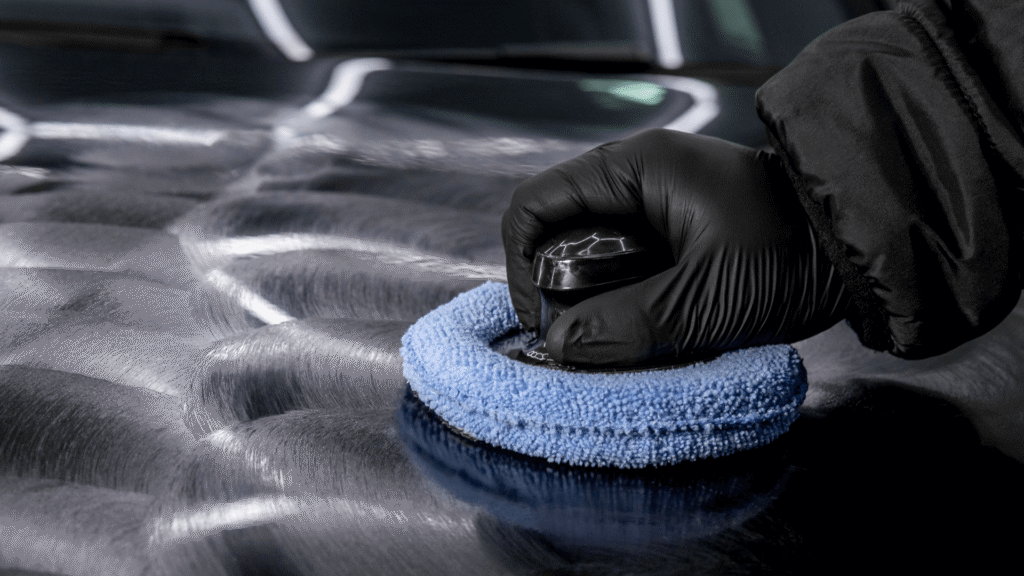
Apply a thin, even coat using a foam applicator or microfiber pad. Thick layers do not improve protection and only make buffing more difficult.
Allow the wax to cure according to the manufacturer’s instructions before gently buffing with a clean microfiber towel. Working in shaded areas helps prevent the wax from drying too quickly.
How Often Should You Wax?
Most vehicles benefit from waxing every two to three months. However, factors such as climate, road conditions, and storage can influence this schedule.
If your vehicle is parked outdoors every day or frequently exposed to harsh weather, more frequent applications may be beneficial.
A simple water-beading test can help determine whether it’s time for another coat. If water no longer beads on the surface, the protective layer is likely wearing off.
Professional Detailing Makes a Difference
While many vehicle owners enjoy waxing their cars at home, professional detailing can produce more consistent results. Experienced detailers understand proper surface preparation, paint inspection, and application techniques that maximize protection.
For drivers seeking a high-quality finish, Mobile auto detailing Prosto offers professional detailing services designed to restore shine while protecting the vehicle’s exterior. Proper preparation and expert application often provide longer-lasting results than rushed DIY methods.
Regular maintenance following a professional detail also helps preserve the appearance of your vehicle throughout the year.
Simple Maintenance Tips After Waxing
To extend the life of your wax protection:
- Wash with a pH-balanced automotive shampoo.
- Avoid harsh automatic brush car washes.
- Remove bird droppings and tree sap quickly.
- Dry the vehicle after washing to prevent water spots.
- Park in covered or shaded areas whenever possible.
These habits help maintain the protective layer and keep your vehicle looking cleaner between washes.
Conclusion
Adding car wax to your vehicle maintenance routine is one of the simplest ways to preserve paint quality and maintain a glossy finish. Beyond improving appearance, waxing protects against daily environmental exposure and makes ongoing maintenance easier. Whether you choose to wax your vehicle yourself or rely on professional services like Mobile auto detailing Prosto, regular care helps keep your investment looking its best for years to come.
Frequently Asked Questions
What does car wax do?
Car wax forms a protective layer over your vehicle’s paint, helping guard against UV rays, dirt, water, and other environmental contaminants while enhancing shine.
How often should I wax my car?
For most vehicles, waxing every two to three months provides reliable protection. Driving conditions and weather may require more frequent applications.
Can wax remove scratches?
No. Wax cannot remove scratches, but it may temporarily reduce the visibility of very fine swirl marks.
Is waxing better than washing alone?
Yes. Washing removes dirt, while waxing adds a protective layer that helps preserve the paint and improve gloss.
Should I hire a professional for waxing?
Professional detailing ensures proper paint preparation and even application. Services from Mobile auto detailing Prosto can help achieve longer-lasting protection and a high-quality finish.