When tonnes need moving and durability cannot be compromised, diesel power proves indispensable. From sprawling warehouses to remote construction sites, a diesel forklift truck for sale represents a serious investment in operational capability—and for good reason. Industries worldwide depend on these machines because diesel delivers what lighter alternatives simply cannot.
Diesel forklifts are engineered for extreme conditions. They operate in outdoor environments, haul payload-intensive loads, and run for hours without the efficiency drop-off that electric or LPG alternatives experience. Understanding which sectors rely on diesel technology—and why—reveals the true scope of their market dominance.

Logistics and Warehousing: The Backbone of Supply Chains
The logistics sector is diesel forklift territory. Modern distribution centres move thousands of pallets daily, often in environments where the sun beats down on outdoor staging areas or where operations run through the night. Diesel forklifts excel in these conditions. They deliver consistent power regardless of ambient temperature—an advantage when your facility operates in hot climates or unheated seasonal warehouses.
Consider a large port terminal where containers arrive around the clock. A diesel forklift truck for sale handles the continuous cycle of loading, moving, and stacking with reliability that logistics managers have come to expect. Unlike electric machines that require charging stations and planned downtime, a diesel forklift refuels quickly and gets back to work.
⚙️
Continuous operation 24/7
🔧
Quick refueling cycles
📦
Heavy payload capacity
💪
Outdoor durability
Warehousing operations often operate on razor-thin margins where downtime costs compound quickly. The reliability and predictability of diesel forklifts reduce unexpected repairs and maximize throughput—exactly what logistics companies demand.
Manufacturing and Production Facilities
Manufacturing environments demand machinery that keeps pace with production schedules. A car manufacturer, for instance, moves raw materials, components, and finished assemblies across sprawling facilities—sometimes indoors, sometimes outside. Diesel forklifts bridge this requirement seamlessly.
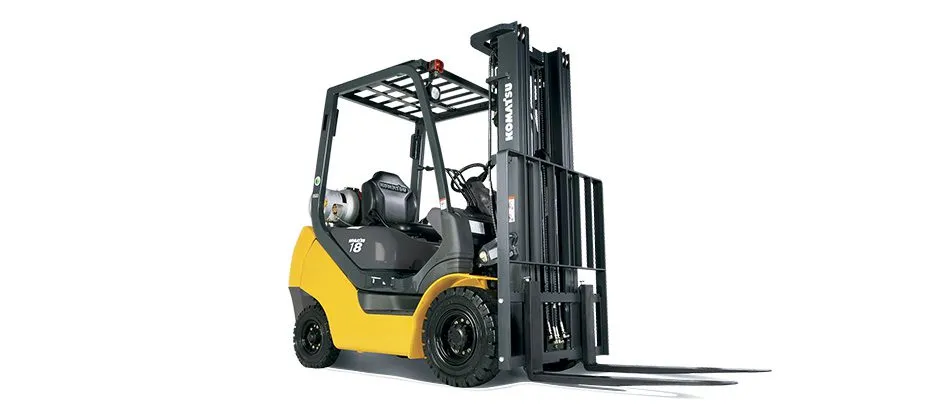
In heavy manufacturing—steel mills, automotive plants, machinery fabrication—the load weights push the boundaries of lighter equipment. A Komatsu diesel forklift truck rated for 5 or 7 tonnes carrying steel beams or engine blocks represents exactly the kind of specialized power these operations need. Komatsu and other premium brands build machines specifically engineered for sustained, high-load industrial use.
🏭
Why Diesel Wins in Manufacturing
Manufacturing plants rarely operate in climate-controlled environments where electric forklifts thrive. Outdoor material staging, production line side-access, and fluctuating temperature zones all favour diesel’s robustness. Plus, the noise and fume management systems on modern diesel forklifts have improved dramatically—they’re far more acceptable in indoor manufacturing than they were a decade ago.
Construction and Heavy Equipment Handling
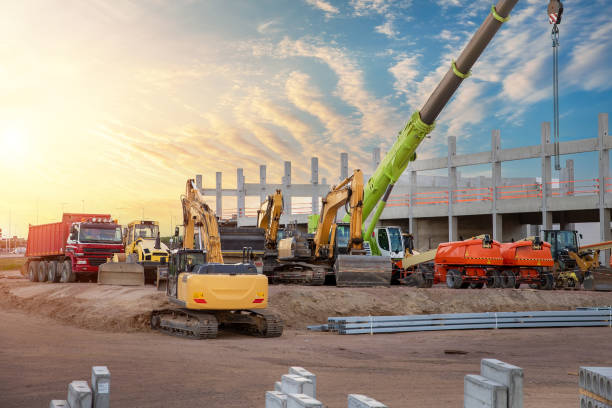
Construction sites are inherently demanding environments. Equipment arrives on flatbeds and must be unloaded, moved across muddy terrain, and positioned precisely. A diesel forklift doesn’t just handle this—it thrives in it. Uneven ground, vibration, dust, and weather extremes that would compromise electric alternatives barely slow a diesel machine.
Heavy equipment handling—moving compressors, generators, structural beams, and prefabricated components—requires machines built for punishment. When you’re looking at a Komatsu diesel forklift truck for sale specifically for construction work, you’re not just buying payload capacity. You’re purchasing durability, fuel economy in remote locations where refueling infrastructure is sparse, and the ability to work in sub-zero or extreme heat without performance degradation.
Construction projects often operate in isolated locations—remote job sites hours from urban centres. A diesel forklift carries fuel sufficient for a full day’s work without dependency on infrastructure. This independence is invaluable when your site is truly off the beaten path.

Shipping and Port Operations
Port terminals operate on compressed schedules. Ships dock for hours, and every minute counts. Container handling requires machinery that works reliably in salt-air environments, moves fast, and doesn’t miss scheduled operations. Diesel forklifts are standard across global port operations precisely because they deliver this consistency.
The corrosion resistance of modern diesel forklifts—especially those with marine-grade coatings—extends equipment lifespan in these harsh environments. Plus, diesel’s high torque characteristics suit the quick acceleration needed to move containers from dock to stacking area rapidly.
Industry Standard
Port operations and shipping companies rarely use anything other than diesel forklifts. The capital cost is justified by the operational reliability and throughput these machines deliver in high-volume container handling scenarios.
Mining, Quarrying, and Resource Extraction
In mining and quarrying operations, conditions are genuinely extreme. Diesel forklifts operate at pit sites, process minerals, move ore, and handle heavy aggregate materials. These are the toughest industrial environments on the planet—dust, extreme temperatures, rugged terrain, and continuous operation demands that only diesel equipment can reliably meet.
The fuel economy of diesel is also significant in remote mining operations where fuel must be transported to site. A gallon of diesel moves more material per unit burned than alternative fuel sources, making diesel forklifts economically superior in these applications.
Agricultural and Agribusiness Operations
Large-scale farming and agribusiness operations handle bulk materials—hay, grain, equipment—in outdoor environments. Diesel forklifts handle the seasonal peaks when harvest season demands rapid material movement. The fuel efficiency matters here too; agricultural operations often operate on tight margins where fuel economy directly impacts profitability.

Frequently Asked Questions
Is a diesel forklift really better than electric for outdoor use, or is it just tradition?
It’s not tradition—it’s physics and economics. Diesel delivers consistent power regardless of temperature. Cold weather drains electric batteries faster, and hot weather does the same. In outdoor environments where ambient temperature fluctuates, diesel forklifts simply perform more reliably. Plus, diesel offers higher payload capacity per machine weight, and refueling takes minutes versus multi-hour electric charging cycles. For continuous operations or high-volume material movement outdoors, diesel is genuinely superior. Electric forklifts excel in controlled indoor environments—warehouses, light manufacturing—where the benefits of quietness and zero emissions justify the limitations.
How do I know if I should buy a new diesel forklift or lease one for my business?
The decision hinges on utilization and capital availability. If you need the forklift for predictable, steady operations (say, a permanent warehouse role), buying often makes financial sense. Spread the capital cost over several years of operation and maintenance is typically cheaper than leasing. But if your needs are seasonal (construction site that runs 6 months yearly), leasing avoids the downtime cost and maintenance burden. Also consider: a new diesel forklift truck for sale typically costs £20,000–50,000+ depending on capacity and brand. If that’s capital your business can’t justify, leasing is the pragmatic choice. Calculate total cost of ownership over your expected timeline and compare to lease costs. The math often favours buying for permanent operations.
Are Komatsu diesel forklift trucks worth the premium price versus generic brands?
Komatsu diesel forklift trucks command higher prices, but for industrial-grade continuous operation, that premium often returns value. Komatsu machines are engineered with robust transmissions, advanced fuel injection systems, and components built for longevity in heavy use. If you’re operating in extreme conditions—ports, mining, heavy manufacturing—the reliability of premium equipment justifies cost. A generic forklift might save you £5,000 upfront but cost £15,000 more in unexpected repairs over five years. That said, budget-conscious operations that maintain equipment properly can stretch the lifespan of cheaper alternatives. The question is: what’s your risk tolerance for downtime? If downtime costs your operation real money, a Komatsu diesel forklift truck for sale is insurance. If you can absorb occasional repairs, you might save money going budget.
What maintenance costs should I budget for a diesel forklift annually?
For a moderately used diesel forklift (say, 4-6 hours daily), annual maintenance typically runs 10–15% of the machine’s original purchase price. That includes oil changes, filter replacements, injector cleaning, transmission service, and wear-and-tear repairs. A £30,000 forklift might cost £3,000–4,500 annually in maintenance. Heavily used equipment (8+ hours daily in harsh conditions) can push 15–20% annually. Budget for major service intervals: transmission and hydraulic system servicing every 2,000–4,000 hours of operation. Regular maintenance is critical—skipping it turns a £3,000 annual cost into a £10,000+ overhaul when something fails catastrophically. Also factor in fuel costs: a diesel forklift burns roughly 2–3 litres per hour of operation, depending on load and conditions. So for 1,500 annual operating hours, that’s 3,000–4,500 litres of diesel yearly.
Thanks, bloggingwebs.com