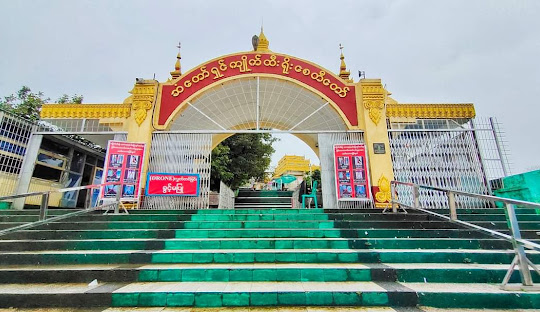
Myanmar is a destination that captures your heart the moment you arrive. From the golden spires of Yangon to the endless temple plains of Bagan, it offers a look at a deeply spiritual and traditional way of life that is hard to find anywhere else in the world.
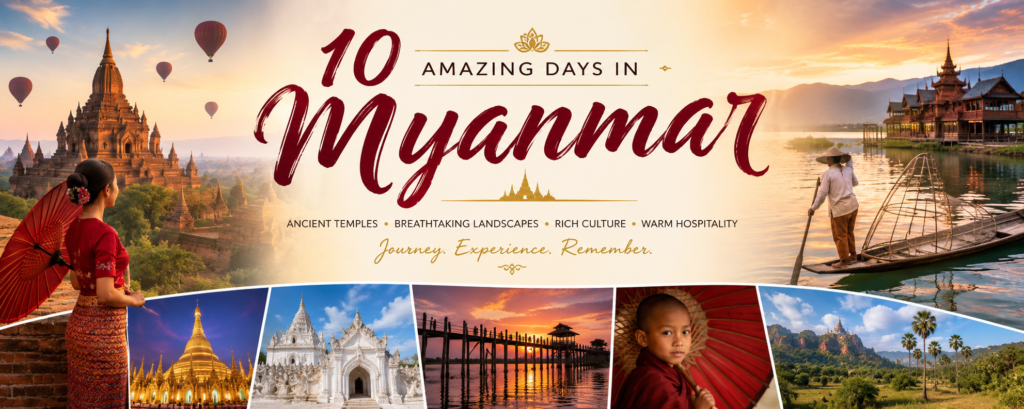
If you are planning an upcoming trip, putting together a solid plan is the best way to make sure you do not miss anything. This guide answers the most common questions travelers ask when planning a 10-day trip to Myanmar.
1. Can tourists travel to Myanmar right now?
Yes, international tourists can visit Myanmar, but travel requires more careful planning than in the past. As of 2026, the country is welcoming visitors through designated international airports like Yangon, Mandalay, and Nay Pyi Taw. However, due to ongoing political changes and regional safety situations, it is essential to stick to the main tourist corridors—specifically Yangon, Bagan, Mandalay, and Inle Lake. Always consult your home country’s latest government travel advisories before booking your flights and stay updated on local guidelines while on the ground.
2. How many days do you need to see the best of Myanmar?
While you could easily spend a month exploring the remote corners of the country, 10 days is the perfect amount of time for a first-visit itinerary. Within 10 days, you can experience the classic “Big Four” destinations: Yangon, Bagan, Mandalay, and Inle Lake. This timeline gives you a great mix of big-city culture, archaeological wonders, royal history, and peaceful lake life without forcing you to rush through your journey.
3. What is the perfect 10-day Myanmar itinerary?
To make the most of your travel time, we recommend a route that flows smoothly from south to north:
- Days 1–2: Yangon (the historic gateway)
- Days 3–4: Bagan (the ancient plains of temples)
- Days 5–6: Mandalay (the cultural and royal capital)
- Days 7–9: Inle Lake (the serene waters and local villages)
- Day 10: Return to Yangon for your flight home
Using domestic flights or pre-booked private cars between these locations is the most reliable way to keep your schedule on track.
4. How do you spend your first two days in Yangon?
Your journey starts in Yangon, a city defined by colonial-era streets, bustling markets, and massive gold pagodas.
- Day 1: Start by exploring downtown Yangon on foot. Walk past the historic Sule Pagoda, the City Hall, and the old British colonial buildings. As the sun begins to set, head straight to the Shwedagon Pagoda. This 99-meter-tall golden monument is the spiritual heart of the country. Seeing it glow in the evening light is an unforgettable experience.
- Day 2: Spend your morning walking around the quiet paths of Kandawgyi Lake. Afterward, visit the Chauk Htat Gyi Pagoda to see the massive 65-meter reclining Buddha. If you want to shop for local souvenirs, lacquerware, or traditional longyi fabrics, spend your afternoon at the historic Bogyoke Aung San Market.
5. What is the easiest way to travel from Yangon to Bagan?
The quickest and most comfortable way to travel from Yangon to Bagan is by taking a short domestic flight from Yangon International Airport to Nyaung-U Airport (the gateway to Bagan). The flight takes just over an hour. While long-distance buses operate between the cities, they often take 9 to 10 hours and travel overnight, which can leave you exhausted for your first day of exploring the temples.
6. How do you make the most of two days in Bagan?
Bagan is home to the largest concentration of Buddhist temples, pagodas, and ruins in the world.
- Day 1: Rent an e-bike (electric scooter). This is the best and most fun way to navigate the sandy pathways between the ancient temples at your own pace. Make sure to visit key architectural masterpieces like the Ananda Temple, Shwezigon Pagoda, and the massive Dhammayangyi Temple.
- Day 2: Wake up early to catch a world-famous sunrise. If your budget allows, booking a hot air balloon flight over the plains at dawn offers a stunning view of the morning mist rolling over thousands of ancient stupas. Spend your afternoon visiting a local lacquerware workshop in New Bagan to see how artisans still use centuries-old techniques.
7. What are the top things to do in Mandalay?
After Bagan, make your way to Mandalay, the last royal capital of the country.
- Day 1: Visit the Mandalay Royal Palace complex, which is surrounded by a scenic moat. Afterward, head to the Shwenandaw Monastery, a beautiful wooden structure entirely carved out of teak wood. End your day by climbing up Mandalay Hill to enjoy a panoramic view of the city and the Irrawaddy River at sunset.
- Day 2: Take a short trip to Amarapura to see the U Bein Bridge. Spanning 1.2 kilometers across Taungthaman Lake, this is the longest teak wood footbridge in the world. Renting a small wooden boat to watch the sunset silhouette the bridge is a classic Myanmar travel experience.
8. Why should you add Inle Lake to your itinerary?
Inle Lake is a peaceful highland lake surrounded by misty hills, and it offers a completely different rhythm of life. You will spend your days exploring the water on a traditional longtail motorized boat. Here, you can watch the famous Intha fishermen who row their boats using one leg while holding large conical nets. You will also visit floating vegetable gardens, stilt-house villages, and local cottage industries where weavers turn lotus flower stems into valuable fabrics.
9. When is the best time of year to visit Myanmar?
The best time to travel to Myanmar is during the cool, dry season, which runs from November to February. During these months, temperatures are pleasant, and you will avoid both the intense heat of the dry summer (March to May) and the heavy downpours of the monsoon season (June to October).
10. Do I need a visa to enter Myanmar?
Yes, almost all international visitors need a visa to enter Myanmar. Fortunately, the country has a well-established electronic visa system that allows you to secure your entry documents online before you leave home. This tourist eVisa is valid for a stay of up to 28 days from your entry date and must be used within 90 days of approval.
11. How do I apply for a Myanmar tourist eVisa online?
Applying for your visa is a straightforward digital process. Instead of mailing your physical passport to an embassy, you can complete the entire application on your computer or phone. You will fill out a secure form with your travel details, pay the processing fee with a credit card, and wait for your official approval letter to arrive via email. Once received, you simply print out the letter and present it to the immigration officers when you land at the airport.
12. What are the key requirements for a Myanmar eVisa?
To ensure your visa application is approved without any issues, make sure you have the following documents ready before you apply:
- A passport with at least six months of validity remaining from your arrival date.
- A clear, color scan of your passport’s bio-data page.
- A recent digital passport-style photo (taken within the last three months on a white background).
- A confirmed booking at a registered hotel or guesthouse in Myanmar.
- A return or onward flight ticket out of the country.
13. Why should you use a professional visa service for your trip?
Navigating foreign government platforms can sometimes be confusing, and even a tiny spelling error or incorrect document upload can result in your visa being delayed or rejected. Using a specialized partner makes the entire process stress-free:
- Reliable Travel Visa Services: Our global approach has assisted numerous travelers in obtaining their Visa, ensuring all government forms are completed accurately.
- Round-the-Clock Assistance: Travel plans do not sleep. Reach out to us 24/7, and our experts will respond within 72 hours to help resolve any questions or issues.
- Experienced Visa Consultants: Receive expert guidance to ensure the acceptance of your application. Our team knows exactly what the immigration officers look for.
- Efficient Visa Application Process: Skip the complicated government jargon. Apply for your Myanmar Tourist eVisa in minutes with our simplified form.
14. How much cash do you need to carry in Myanmar?
Myanmar remains a predominantly cash-based society. ATMs can be unreliable, and foreign credit cards are only accepted at major high-end hotels. You must bring enough physical cash to cover your entire trip.
Crucial Tip: Bring US Dollars in absolutely pristine condition. The banks and local exchange booths in Myanmar are incredibly strict. If a bill has a tiny tear, a fold, a crease, or any writing on it, it will be rejected. Keep your cash flat in a secure envelope during your travels.
15. What should you wear when visiting temples in Myanmar?
Myanmar is a deeply conservative and religious country. When visiting any temple, pagoda, or monastery, you must dress respectfully. Both men and women must cover their shoulders and knees. Carrying a light sarong or a traditional longyi in your bag is a great way to cover