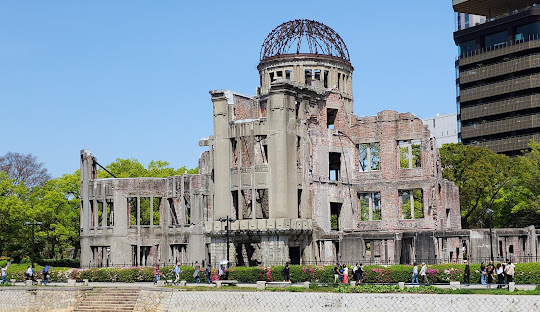
Japan is at the top of almost everyone’s travel bucket list. However, if you have seen the recent news about Tokyo, Kyoto, and Osaka, you already know about the massive crowds. Popular spots like Kyoto’s Kiyomizu-dera or Tokyo’s Shibuya Crossing are packed with tourists day and night.
But Japan has another side. If you step away from the golden route, you will find quiet mountain villages, pristine islands, historic hot spring towns, and beautiful coastal roads where foreign tourists are still a rare sight.
If you are planning a trip for 2026, exploring these lesser-known regions will give you an authentic, peaceful, and affordable look at local life. Here is everything you need to know about finding Japan’s true hidden gems.
Why should you travel off the beaten path in Japan?
Overtourism in Japan’s major cities has led to long lines, crowded public transit, and rising accommodation costs. By choosing to visit regional Japan, you get three major benefits:
- A true local connection: In small towns, you will interact with local shopkeepers, artisans, and family-run guest houses (minshuku) who genuinely welcome visitors.
- Better value for your money: While hotels in Tokyo and Kyoto have become expensive, regional areas offer high-quality traditional stays and delicious local meals for a fraction of the cost.
- Peace and quiet: You can take photos without hundreds of people in the background and enjoy nature exactly as it was meant to be experienced.
What are the top 10 hidden gems in Japan for 2026?
Here are 10 incredible, crowd-free destinations across Japan that deserve a spot on your itinerary.
1. Iya Valley (Tokushima Prefecture, Shikoku)
Tucked away in the mountainous heart of Shikoku Island, the Iya Valley is one of Japan’s most remote and beautiful regions. It is famous for its dramatic rocky gorges, clear rivers, and ancient vine bridges (Kazurabashi) that were originally built by samurai fleeing historical battles.
- Why go: It is perfect for hiking, zip-lining, and staying in traditional thatched-roof cottages overlooking the misty valleys.
- How to get there: Take a train from Okayama to Awa-Ikeda Station, then rent a car or take a local bus into the valley.
2. Kurashiki Bikan Historical Quarter (Okayama Prefecture)
If you love the canal-side aesthetic of Venice or Kyoto’s historic streets but hate the crowds, Kurashiki is the perfect alternative. This beautifully preserved merchant town features white-walled storehouses dating back to the Edo period (1603–1867) lining a willow-fringed canal.
- Why go: You can take a peaceful wooden boat ride along the canal, visit the Ohara Museum of Art (Japan’s oldest private Western art museum), and buy high-quality local denim in nearby Kojima.
- How to get there: It is a quick 15-minute local train ride from Okayama Station, which is directly connected to Tokyo and Osaka via the Shinkansen (bullet train).
3. Ouchi-juku (Fukushima Prefecture)
Ouchi-juku is a former post town along the trade route that connected Tohoku with Tokyo during the feudal era. The town has preserved its historic look, with unpaved main streets and over 40 traditional thatched-roof buildings.
- Why go: Walking here feels like stepping directly into a historical film. Be sure to try the local specialty, negi soba—buckwheat noodles eaten using a single large green onion instead of chopsticks.
- How to get there: Take the Aizu Railway to Yunokami Onsen Station, followed by a short 10-minute taxi or local shuttle bus ride.
4. Nyuto Onsen (Akita Prefecture)
Nyuto Onsen is a collection of seven rustic hot spring inns hidden in the forested mountains of Akita. The most famous is Tsurunoyu, which has been operating for over 300 years and is known for its milky-white, mineral-rich outdoor baths.
- Why go: It offers the ultimate traditional Japanese wellness experience. In winter, you can soak in the hot outdoor water while snow falls gently around you.
- How to get there: Take the Akita Shinkansen to Tazawako Station, then take a local bus up the mountain (about 50 minutes).
5. Yakushima Island (Kagoshima Prefecture)
An ancient, subtropical island covered in dense, mossy forests and home to cedar trees that are thousands of years old. Yakushima’s mystical landscape directly inspired the famous Studio Ghibli anime film Princess Mononoke.
- Why go: It is a paradise for hikers and nature lovers. You can spot wild deer and monkeys, hike to the giant Jomon Sugi tree, and stay in small coastal eco-lodges.
- How to get there: You can take a high-speed ferry from Kagoshima Port or catch a short domestic flight from Kagoshima Airport.
6. Kanazawa (Ishikawa Prefecture)
Often called “Little Kyoto,” Kanazawa is a vibrant cultural city on the coast of the Sea of Japan. Because it was spared from destruction during World War II, its historic samurai and geisha districts remain completely intact.
- Why go: You can explore the Kenroku-en Garden (considered one of the three most beautiful gardens in Japan), walk through old teahouses, and try gold-leaf-covered soft-serve ice cream.
- How to get there: Kanazawa is highly accessible via the Hokuriku Shinkansen line, taking about 2.5 hours from Tokyo.
7. Yanagawa (Fukuoka Prefecture)
Located in southern Kyushu, Yanagawa is a peaceful town built around a network of historic canals that were originally dug to protect a local castle.
- Why go: You can take a 70-minute canal boat ride (donko-bune) steered by a boatman in traditional clothing who sings local folk songs. Afterward, eat a lunch of unagi no seiromushi (steamed savory eel over rice), a local delicacy.
- How to get there: It is a 45-minute train ride from Tenjin Station in Fukuoka City on the Nishitetsu Line.
8. Lake Biwa and Shirahige Shrine (Shiga Prefecture)
Lake Biwa is Japan’s largest freshwater lake. While tourists crowd Miyajima to see its floating Torii gate, Shirahige Shrine on the western shore of Lake Biwa offers a similarly stunning floating gate with only a fraction of the visitors.
- Why go: Rent a bicycle to ride along the scenic lakeside path, go stand-up paddleboarding near the Torii gate, or take a scenic drive around the quiet northern shores.
- How to get there: Take the JR Kosei Line from Kyoto Station to Omi-Takashima Station (about 40 minutes), then walk, cycle, or take a short taxi to the shrine.
9. Teshima Island (Kagawa Prefecture)
While nearby Naoshima Island has become incredibly popular for art tourists, Teshima remains a quieter, highly artistic alternative in the Seto Inland Sea. It is characterized by terraced rice fields, sleepy fishing villages, and striking contemporary art installations.
- Why go: The Teshima Art Museum is a masterpiece of modern architecture where water droplets slide across a concrete shell floor. Renting an electric bicycle to ride around the quiet island roads with ocean views is an unforgettable experience.
- How to get there: Regular ferries connect to Teshima from both Uno Port in Okayama and Takamatsu Port in Kagawa.
10. Aso-Kuju National Park (Kumamoto & Oita Prefectures)
This massive national park features Mount Aso, one of the world’s largest active volcanic calderas. The landscape is incredibly diverse, ranging from smoking volcanic craters to vast, rolling green grasslands where horses graze.
- Why go: It is an amazing destination for road trips, volcanic hiking, and relaxing in the nearby hot spring towns of Kurokawa Onsen or Yufuin.
- How to get there: Renting a car from Kumamoto Airport or Oita Airport is the easiest way to explore the national park at your own pace.
How do you experience local Japanese culture without the crowds?
To get the most out of your trip to Japan’s hidden places, follow these simple travel tips:
- Stay in a Ryokan or Minshuku: Instead of Western-style hotels, book a night at a traditional Japanese inn. You will sleep on futons laid out on tatami mats and enjoy multi-course meals made with fresh, hyper-local ingredients.
- Learn basic Japanese phrases: In regional areas, English is not widely spoken. Learning simple phrases like “Sumimasen” (Excuse me/Sorry) and “Arigatou gozaimasu” (Thank you) goes a long way.
- Rent a car: While Japan’s train network is world-class, some of the best hidden gems in regions like Shikoku, Tohoku, and Kyushu are much easier to reach by car. Driving in rural Japan is highly organized, scenic, and stress-free.
Do you need a visa to visit Japan in 2026?
Before you start booking your hotels and planning your route to these beautiful hidden gems, you need to ensure your travel documents are in order. Depending on your nationality, you may need to apply for a tourist visa before entering Japan.
Japan maintains strict guidelines regarding application forms, financial proofs, and travel itineraries. To make sure your travel plans go smoothly without any unexpected delays or rejections, it is highly recommended to review the official requirements and get expert help with your application.
To check the complete checklist of required documents for your specific country, visit the Japan Visa Document Requirements Guide.
Why Choose Us for Your Japan Visa?
If you want a seamless and stress-free visa application process, our services are designed to help you get approved quickly:
- Reliable Travel Visa Services: Our global approach and years of experience have successfully assisted numerous travelers in obtaining their Japanese visas.
- Round-the-Clock Assistance: Reach out to our customer support team 24/7. Our visa experts will review your queries and respond with solutions within 72 hours.
- Experienced Visa Consultants: Get personalized, expert guidance to ensure your application forms and supporting financial documents are perfectly prepared to maximize acceptance.
- Efficient Visa Application Process: Skip the confusion. Apply for your Japan visa in just a few minutes using our simplified, easy-to-use application platform.