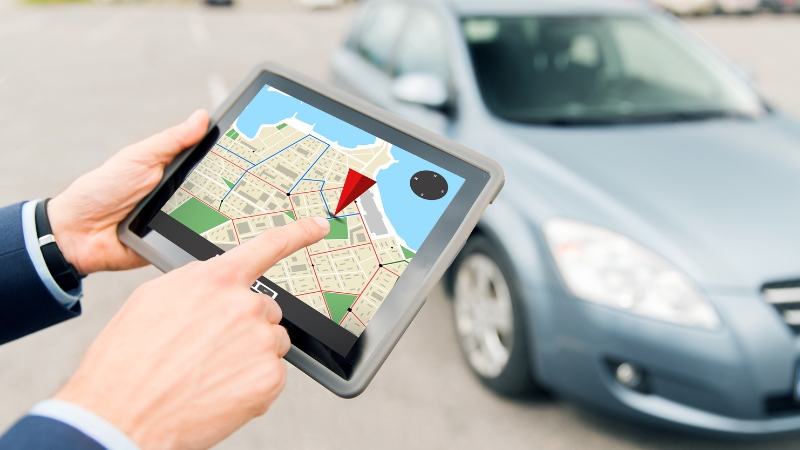
A GPS tracker for Bus is an essential technology for modern fleet operations. With advanced tracking platforms like iTracker, fleet owners can monitor vehicles in real time, track performance, and maintain better maintenance schedules. This technology helps transportation businesses improve vehicle monitoring and ensure safer, more efficient fleet management.
Understanding GPS Tracking Technology for Buses
Fleet operators often manage multiple buses operating across different routes and schedules. Monitoring these vehicles manually can be difficult and inefficient. A GPS tracker for Bus simplifies this process by providing accurate vehicle tracking and operational insights.
A GPS tracking system works through satellite technology that determines a vehicle’s exact location. The tracking device installed inside the bus collects data and sends it to a centralized monitoring system.
Solutions such as iTracker combine hardware devices with digital monitoring platforms to deliver accurate and reliable vehicle tracking.
A typical GPS tracking system includes:
- A tracking device installed in the bus
- A communication system that sends location data
- A monitoring platform accessible through mobile or web applications
These components work together to provide continuous vehicle monitoring.
Importance of Vehicle Monitoring in Bus Fleets
Fleet operators must ensure that buses remain operational, safe, and well-maintained. Without proper monitoring systems, vehicle performance issues may go unnoticed until they cause operational disruptions.
A GPS tracker for Bus provides continuous monitoring that allows fleet managers to stay informed about vehicle activity and condition.
Vehicle monitoring helps fleet managers:
- Track bus locations and routes
- Monitor operational efficiency
- Identify potential maintenance issues
- Improve fleet performance
Modern tracking solutions like iTracker make it easier for fleet operators to manage transportation operations effectively.
Real-Time Monitoring for Fleet Management
One of the most valuable features of a GPS tracker for Bus is real-time monitoring.
Fleet managers can view the exact location of each bus through a digital dashboard. This real-time visibility allows them to track vehicle movement and respond quickly to operational challenges.
Real-time monitoring helps operators:
- Detect route delays
- Monitor driver behavior
- Ensure buses follow assigned routes
- Respond quickly to unexpected situations
With platforms such as iTracker, fleet managers can access real-time updates through user-friendly applications.
How GPS Tracking Improves Vehicle Maintenance
Maintenance management is a critical part of fleet operations. Buses must remain in good condition to ensure passenger safety and operational reliability.
A GPS tracker for Bus provides valuable data that helps fleet managers maintain vehicles effectively.
Monitoring Vehicle Usage
Tracking systems record information about distance traveled and vehicle usage. This data helps fleet managers determine when maintenance checks are required.
For example, buses that travel long distances regularly may require more frequent inspections.
Identifying Maintenance Needs
GPS tracking systems provide operational insights that help detect potential vehicle issues. Fleet managers can review trip data and identify patterns that may indicate maintenance needs.
Preventive Maintenance Scheduling
Preventive maintenance is essential for avoiding costly repairs. A GPS tracker for Bus allows fleet managers to schedule maintenance based on vehicle usage rather than fixed timelines.
This approach helps maintain vehicle performance and reduce downtime.
Solutions like iTracker provide detailed reports that support maintenance planning.
Monitoring Driver Behavior
Driver behavior directly affects vehicle condition and safety. Aggressive driving habits can cause excessive wear on vehicle components.
A modern GPS tracker for Bus includes tools that analyze driver behavior.
Fleet managers can monitor activities such as:
- Over-speeding
- Harsh braking
- Sudden acceleration
- Extended idle time
These insights help fleet operators encourage safer driving practices and protect vehicle components from unnecessary stress.
Route Monitoring and Operational Control
Efficient route management is important for transportation businesses. A GPS tracker for Bus allows fleet managers to monitor routes and ensure vehicles follow their assigned schedules.
Route monitoring provides several operational benefits.
Improved Route Efficiency
Fleet managers can analyze route data to identify delays or inefficiencies.
Reduced Travel Time
Tracking systems help identify faster or more efficient routes for buses.
Better Schedule Management
Real-time monitoring allows operators to maintain accurate schedules and reduce service disruptions.
Many fleet operators rely on iTracker for reliable route monitoring and vehicle tracking.
Security and Asset Protection
Vehicle security is another important advantage of GPS tracking technology.
A GPS tracker for Bus includes several security features that protect fleet vehicles.
Geofencing Alerts
Geofencing allows fleet managers to create virtual boundaries around specific locations.
If a bus leaves or enters the designated area, the system sends an alert.
Movement Alerts
Fleet managers receive notifications if a bus moves outside scheduled operating hours.
Continuous Vehicle Monitoring
Tracking systems ensure that fleet managers always know the location of their vehicles.
These security features help protect fleet assets and improve operational control.
Data-Driven Fleet Management
Modern fleet management relies on accurate data and operational insights. A GPS tracker for Bus collects valuable information about vehicle performance and operational patterns.
Fleet managers can access reports that include:
- Trip summaries
- Route history
- Distance traveled
- Vehicle usage patterns
This data allows operators to make informed decisions that improve fleet performance.
Solutions like iTracker provide comprehensive reporting tools that support efficient fleet management.
Why Many Fleet Operators Choose iTracker
Among the many tracking solutions available, iTracker has become a trusted name in vehicle tracking technology.
The company focuses on delivering advanced GPS tracking solutions that support both fleet monitoring and vehicle maintenance.
Fleet operators choose iTracker because it offers:
- Reliable GPS tracking technology
- Easy-to-use monitoring platforms
- Advanced vehicle security features
- Professional technical support
These benefits make iTracker a strong choice for businesses looking for an effective GPS tracker for Bus.
The Future of Bus Fleet Monitoring
GPS tracking technology continues to evolve as transportation systems become more connected.
Future fleet management solutions may include:
- Artificial intelligence for fleet analytics
- Predictive maintenance technology
- Smart transportation integration
- Advanced driver behavior monitoring
These innovations will help fleet operators improve vehicle maintenance and operational efficiency.
Businesses that adopt advanced tracking systems today will be better prepared for the future of transportation.
Conclusion
A reliable GPS tracker for Bus plays a vital role in improving vehicle monitoring and maintenance management. With advanced solutions like iTracker, fleet operators can track vehicles in real time, schedule maintenance effectively, and ensure safer, more efficient transportation operations.