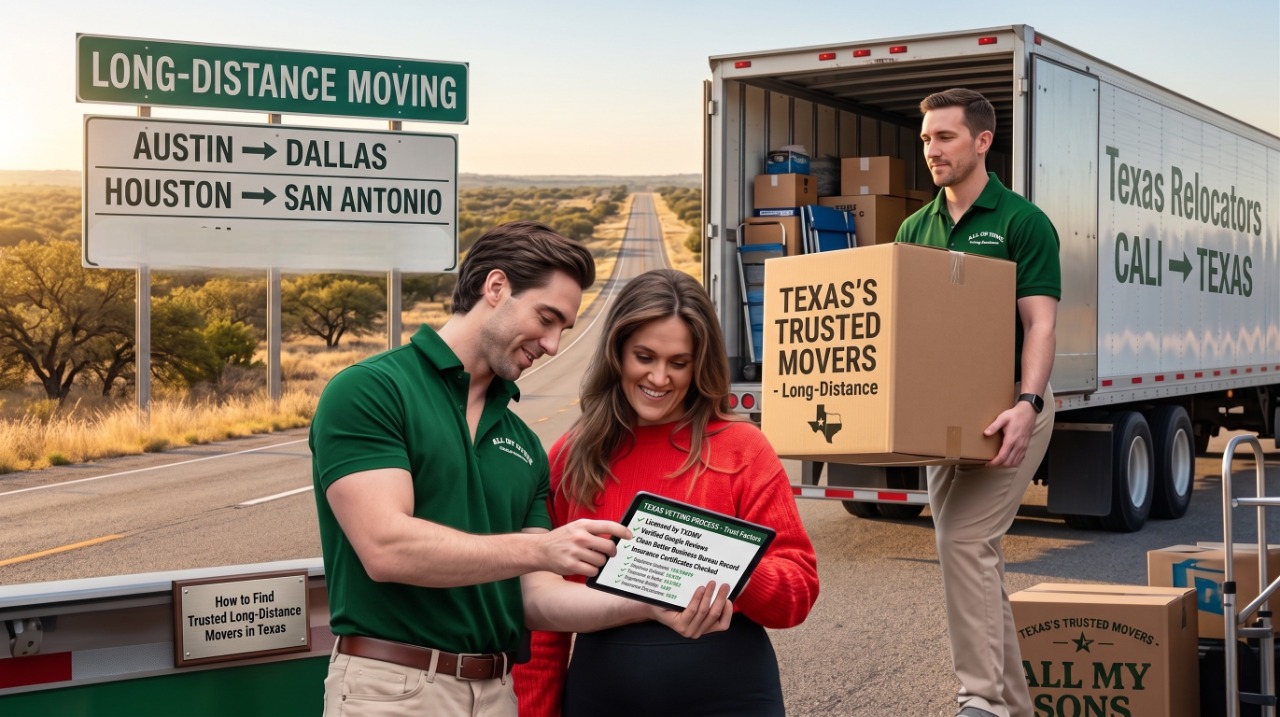
Moving to a new home or business location involves more than packing boxes and arranging transportation. The company handling the relocation will be responsible for valuable belongings, furniture, electronics, family heirlooms, and important documents.
That is why choosing a licensed and insured moving company is a decision that deserves careful attention. Many people focus on price alone, but credentials, insurance coverage, and reputation often have a much greater impact on the overall moving experience.
Why Licensing and Insurance Should Be a Priority
Hiring movers without verifying their credentials can create unnecessary risks. According to the American Moving and Storage Association, millions of Americans relocate each year, and moving-related complaints remain one of the most common issues reported during household relocations.
A licensed moving company operates under established regulations and standards. Insurance coverage adds another layer of protection by helping cover losses if belongings are damaged during transportation.
When evaluating moving services in Texas, homeowners should view licensing and insurance as basic requirements rather than optional features.
What a License Indicates
A moving license shows that a company has met legal requirements to operate within its service area. Licensed movers are generally required to comply with industry regulations, maintain records, and follow consumer protection rules.
A properly licensed company often demonstrates:
- Legal authorization to operate
- Compliance with state or federal regulations
- Accountability for service quality
- Professional business practices
Why Verification Matters
Many consumers assume every moving company they find online is legitimate. Unfortunately, that is not always true. Before signing any agreement, customers should verify credentials.
These websites provide information about registration and operating authority for moving companies.
Understanding Texas Moving Regulations
Texas is one of the largest states in the country, covering more than 268,000 square miles. The size of the state creates unique challenges for relocation companies. Movers often travel long distances between cities such as Houston, Dallas, Austin, San Antonio, and Fort Worth.
Because of this, regulations exist to help protect consumers.
Intrastate vs. Interstate Moves
The rules governing a move often depend on where the relocation takes place. An intrastate move occurs entirely within Texas. An interstate move crosses state lines and falls under federal oversight. Understanding this distinction helps customers know which credentials and protections should apply to their move.
Documents Customers Should Request
Before hiring a Texas moving company, customers should ask for:
- Proof of licensing
- Proof of insurance
- Written estimates
- Service agreements
- Claims procedures
Professional companies provide these documents without hesitation.
The Importance of Insurance Coverage
Insurance plays a significant role in protecting belongings throughout the relocation process. Furniture, appliances, electronics, artwork, and household items represent substantial financial value. Industry estimates suggest the average value of household belongings can range from $20,000 to more than $100,000 depending on the size of the home.
Without adequate coverage, unexpected damage could lead to significant expenses.
Types of Protection Available
Most movers offer basic valuation coverage, while some provide additional protection plans.
Coverage options may include:
- Basic liability protection
- Full-value protection
- Third-party insurance coverage
Each option provides a different level of reimbursement if damage occurs.
Questions to Ask About Coverage
Customers should ask:
- What coverage is included in the quote?
- Are there deductibles?
- How are claims processed?
- How long does reimbursement typically take?
Clear answers often indicate a transparent and professional company.
Evaluating a Company’s Reputation
A moving company’s reputation provides valuable insight into service quality. Research shows that more than 90% of consumers read online reviews before making a purchasing decision. Moving services are no exception.
Reading Reviews Strategically
Rather than focusing only on star ratings, customers should read detailed reviews and look for recurring themes.
Positive indicators include:
- On-time arrivals
- Professional staff
- Careful handling of belongings
- Accurate pricing
- Effective communication
Negative patterns may reveal deeper issues.
Red Flags Hidden in Reviews
Pay close attention if multiple customers mention:
- Damaged furniture
- Unexpected fees
- Delayed deliveries
- Poor communication
- Difficulty resolving claims
Repeated complaints often indicate systemic problems rather than isolated incidents.
Comparing Moving Estimates
Obtaining multiple estimates allows customers to understand market pricing and identify unusually low or high quotes. Experts generally recommend collecting at least three estimates before making a final decision.
What a Quality Estimate Includes
A detailed estimate should outline:
- Labor costs
- Transportation fees
- Packing services
- Fuel charges
- Storage costs if applicable
- Additional service fees
Transparent pricing helps prevent misunderstandings later.
The Risk of Extremely Low Quotes
A quote that appears significantly lower than competitors may initially seem attractive. However, unusually low estimates sometimes lead to hidden charges or reduced service quality. Reliable movers focus on accuracy rather than offering unrealistic pricing.
Finding Reliable Information Before Choosing a Company
The internet provides countless moving company listings, but not all sources are equally useful. Consumers often benefit from comparing movers through established directories and review platforms.
Many homeowners use My Good Movers to explore moving companies, compare services, read customer feedback, and gather information before requesting estimates.
Access to organized information can make the selection process more efficient and help narrow down options that match specific relocation needs.
Building a Shortlist
After conducting research, consumers can create a shortlist based on:
- Licensing status
- Insurance coverage
- Customer reviews
- Years of experience
- Service offerings
A structured comparison often leads to better decisions.
Questions Every Customer Should Ask
A conversation with a moving company reveals much more than a website ever can.
Operational Experience
Experience often contributes to smoother relocations.
Questions worth asking include:
- How long has the company been operating?
- How are employees trained?
- What types of moves are handled regularly?
- Does the company specialize in residential or commercial relocations?
Answers provide insight into the company’s capabilities.
Claims and Dispute Resolution
No customer expects problems during a move, but understanding the claims process remains important.
Ask about:
- Claim submission procedures
- Response times
- Documentation requirements
- Resolution timelines
Companies with clear procedures generally demonstrate stronger customer support.
Additional Services That Can Improve the Moving Experience
Many relocation companies offer services beyond transportation. These options can simplify the moving process and reduce stress.
Packing and Storage Solutions
Professional packing services help protect fragile belongings while reducing preparation time.
Storage solutions may be beneficial when:
- Closing dates change
- New homes are not ready
- Temporary accommodations are required
These services provide flexibility during complex relocations.
Specialty Moving Services
Some belongings require additional expertise.
Examples include:
- Pianos
- Antiques
- Artwork
- Large safes
- Medical equipment
Specialized handling reduces the likelihood of damage.
Choosing the Right Team for Long-Distance Relocations
Long-distance moves involve additional planning, logistics, and coordination. Cross-state relocations often require experienced crews, accurate scheduling, and strong communication throughout the process.
For homeowners planning complex relocations, working with professional movers in Texas can provide valuable expertise in handling long-distance transportation, route planning, inventory management, and delivery coordination.
Companies experienced in these areas are often better equipped to manage the challenges associated with larger relocations.
Factors That Influence Long-Distance Success
Several factors contribute to a successful long-distance move:
- Route planning
- Vehicle maintenance
- Inventory tracking
- Customer communication
- Delivery scheduling
Attention to these details improves overall service quality.
Preparing for Moving Day
Preparation helps ensure efficiency.
Customers should:
- Label boxes clearly
- Organize important documents
- Create an inventory list
- Confirm scheduling details
- Keep valuables accessible
These steps can reduce confusion during loading and unloading.
Warning Signs That Should Not Be Ignored
Not every moving company operates with the same level of professionalism. Consumers should remain cautious when encountering warning signs.
Common Indicators of Potential Problems
Be cautious if a company:
- Refuses to provide written estimates
- Lacks proof of insurance
- Avoids discussing licensing
- Demands large upfront deposits
- Provides vague answers to questions
Professional businesses generally operate transparently.
Trusting Documentation Over Promises
Verbal assurances may sound convincing, but written documentation provides real protection. Always request contracts, estimates, and insurance information before making commitments.
Final Thoughts
Hiring licensed and insured movers in Texas requires more than comparing prices. Consumers should verify credentials, review insurance coverage, examine customer feedback, compare estimates, and evaluate overall professionalism before making a decision.