Mold growth is a common issue that affects homes and commercial properties of all sizes. While some mold is visible on walls, ceilings, and floors, much of it remains hidden behind drywall, under carpets, inside HVAC systems, or in damp crawl spaces. Because mold can spread quickly and impact both property and health, professional mold inspection and testing have become essential services for homeowners and business owners.
Mold inspection and testing help identify the presence, source, and severity of mold contamination. These services provide valuable information that allows property owners to take the right corrective actions before the problem becomes more serious and expensive. Whether you suspect mold growth after water damage or simply want to ensure healthy indoor air quality, understanding the importance of mold inspection and testing can help protect your investment and your family’s well-being.
What Is Mold Inspection and Testing?
Mold inspection and testing are two related processes used to detect and evaluate mold contamination within a property.
Mold Inspection
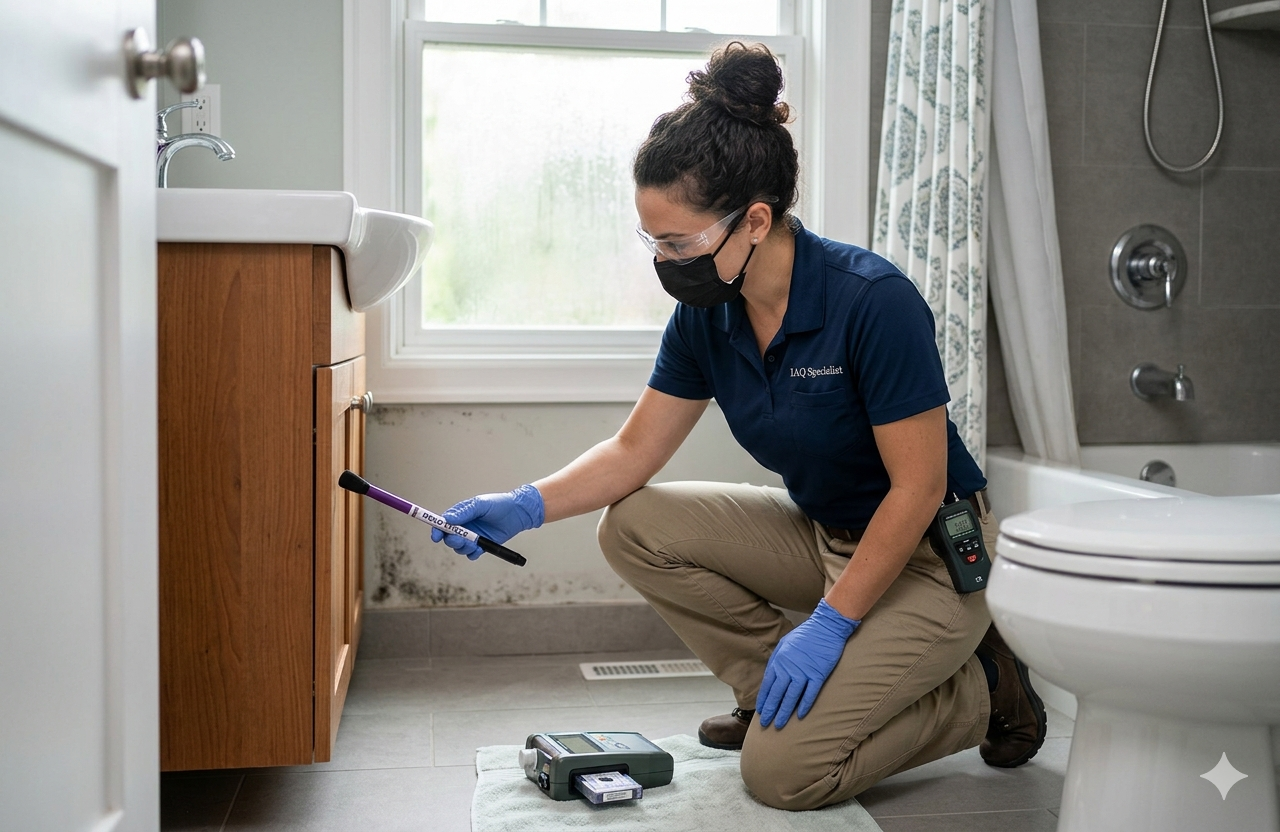
A mold inspection involves a thorough visual examination of a building by a trained professional. Inspectors look for signs of moisture intrusion, water damage, humidity issues, and visible mold growth. They may use specialized equipment such as moisture meters, thermal imaging cameras, and hygrometers to identify hidden moisture sources.
Mold Testing
Mold testing is often performed during or after an inspection to determine the type and concentration of mold spores present. Samples may be collected from the air, surfaces, or building materials and sent to a laboratory for analysis. Testing provides detailed information about mold levels and helps determine whether remediation is necessary.
Why Mold Inspection and Testing Matter
Protecting Indoor Air Quality
One of the primary reasons for mold inspection and testing is to maintain healthy indoor air quality. Mold releases microscopic spores into the air that can circulate throughout a property. When inhaled, these spores may cause discomfort and reduce indoor air quality.
Professional testing can identify elevated mold spore levels and help property owners understand whether hidden mold is affecting the indoor environment.
Identifying Hidden Mold Growth
Not all mold is visible. In many cases, mold develops behind walls, beneath flooring, inside ceilings, or within ventilation systems. Property owners may notice musty odors or unexplained moisture problems without seeing any visible mold.
A professional inspection can locate hidden mold growth and identify the moisture source that is allowing it to thrive. Early detection prevents further spread and reduces potential repair costs.
Preventing Structural Damage
Mold often grows on materials that contain organic matter, such as wood, drywall, insulation, and carpeting. Over time, mold can weaken these materials and contribute to structural deterioration.
Regular mold inspection and testing can help identify problems before significant damage occurs. Addressing mold issues early can save property owners thousands of dollars in repairs and restoration costs.
Common Signs You Need Mold Inspection and Testing
Many property owners are unsure when they should schedule a mold inspection. Here are some common warning signs:
Persistent Musty Odors
A musty smell often indicates hidden mold growth. Even if mold is not visible, unusual odors should not be ignored.
Recent Water Damage
Flooding, plumbing leaks, roof leaks, and burst pipes create ideal conditions for mold growth. Mold can begin developing within 24 to 48 hours after water exposure.
Visible Mold Growth
Any visible mold growth on walls, ceilings, floors, or other surfaces should be investigated by a professional to determine the extent of contamination.
High Humidity Levels
Excess indoor humidity can encourage mold growth. Properties with poor ventilation, damp basements, or moisture problems are at higher risk.
Property Purchase or Sale
Many buyers and sellers choose mold inspection and testing as part of the real estate transaction process to identify potential issues before closing.
The Mold Inspection Process
Understanding the inspection process helps property owners know what to expect.
Initial Assessment
The inspector discusses any concerns, previous water damage incidents, and areas where mold may be suspected.
Visual Examination
The property is thoroughly inspected for signs of mold growth, moisture intrusion, and water damage.
Moisture Detection
Advanced tools are used to locate hidden moisture behind walls, ceilings, and flooring.
Sample Collection
If necessary, air samples, surface samples, or bulk material samples are collected for laboratory testing.
Laboratory Analysis
Samples are analyzed to identify mold species and determine spore concentrations.
Detailed Report
The client receives a report outlining findings, affected areas, moisture sources, and recommended actions.
Types of Mold Testing
Air Sampling
Air testing measures mold spore levels within the indoor environment and compares them to outdoor levels. This helps determine whether indoor mold contamination is present.
Surface Sampling
Surface testing collects samples from visible mold growth or suspect areas to identify mold species.
Bulk Sampling
Small portions of building materials may be tested when contamination is suspected within walls, insulation, or flooring.
Swab Testing
Swab samples are collected from surfaces and analyzed to identify mold growth and contamination levels.
Benefits of Professional Mold Inspection and Testing
Accurate Results
Professional inspectors use specialized equipment and industry-approved procedures to provide reliable findings.
Early Detection
Identifying mold problems early reduces damage and minimizes remediation costs.
Peace of Mind
Testing confirms whether mold is present and provides clear recommendations for addressing the issue.
Improved Property Value
Maintaining a mold-free property helps preserve market value and reassures potential buyers.
Better Health Protection
By identifying mold sources and contamination levels, inspections help create a cleaner and healthier indoor environment.
How to Prevent Future Mold Problems
While mold inspection and testing are important, prevention is equally valuable.
Control Moisture
Repair leaks promptly and address water intrusion issues as soon as they occur.
Improve Ventilation
Use exhaust fans in bathrooms, kitchens, and laundry rooms to reduce humidity.
Monitor Indoor Humidity
Maintain indoor humidity levels between 30% and 50% whenever possible.
Inspect Regularly
Regular property inspections help identify moisture problems before mold develops.
Maintain HVAC Systems
Properly maintained heating and cooling systems improve airflow and help control moisture levels.
Choosing a Mold Inspection and Testing Company
When selecting a mold inspection professional, consider the following:
- Experience and industry certifications
- Positive customer reviews
- Advanced inspection equipment
- Comprehensive testing services
- Detailed reporting and recommendations
- Transparent pricing and communication
Working with a qualified company ensures accurate results and effective solutions.
Conclusion
Mold inspection and testing play a critical role in maintaining a safe, healthy, and structurally sound property. Hidden mold growth can negatively affect indoor air quality, damage building materials, and lead to costly repairs if left untreated. Professional inspections help identify moisture sources, locate hidden contamination, and provide clear guidance for remediation.
Whether you have experienced water damage, noticed musty odors, or simply want peace of mind, investing in mold inspection and testing is a proactive step toward protecting your home or business. Early detection and timely action can prevent minor issues from becoming major problems, ensuring a cleaner and healthier indoor environment for years to come.