
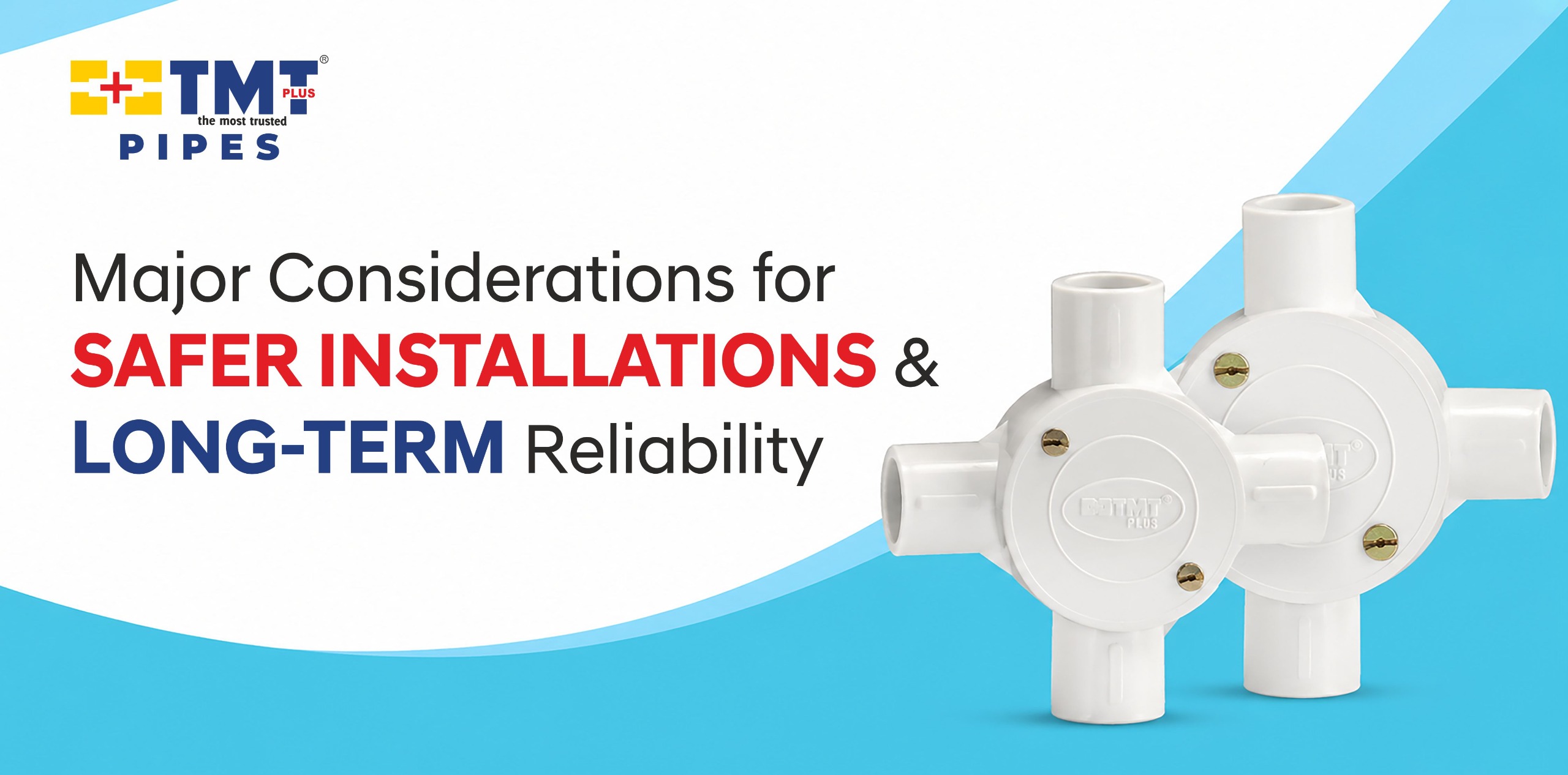
Ever wondered why electrical systems fail even when the wiring seems fine? In many cases, the issue is not the wiring itself but the enclosure protecting those connections. Choosing the right junction box is often overlooked, yet it plays a critical role in maintaining electrical safety, organisation, and long-term reliability.
Whether you are planning a residential installation or upgrading a commercial facility, selecting the correct enclosure can prevent costly maintenance and potential hazards. In terms of size, materials, protection ratings, and design, there are many options. In this post, we will discuss what you should know before purchasing an enclosure for an efficient and reliable electrical system.
Knowing The Intended Application
Different environments place different demands on electrical installations. For instance, a residential property’s interior may only require an enclosure that offers basic protection against unauthorised access.
However, manufacturing facilities, warehouses, and outdoor installations often require additional protection against environmental and operational challenges. Before making a purchase, ask the following questions:
- What is the location of the installation?
- Will it be exposed to water or humidity?
- Is the location dusty or exposed to chemicals?
- Does it need protection from accidental impact?
Example: Residential Apartment Wiring
In a residential apartment, a polycarbonate enclosure with an IP54 rating is often sufficient for indoor electrical circuits. These installations typically require protection from accidental contact and limited exposure to dust, making lightweight, corrosion-resistant solutions a practical choice.
No Compromise With Material Quality
Material selection significantly influences durability, performance, and service life.
Plastic options are lightweight, corrosion-resistant, and suitable for many indoor applications. In demanding industrial environments, a metal box is often preferred for its strength, durability, and resistance to harsh operating conditions.
Corrosion and environmental damage remain among the leading causes of premature enclosure failure in outdoor installations. Choosing the right material can therefore reduce maintenance costs and improve long-term reliability.
Common enclosure materials include:
- Plastic or polycarbonate
- Fibreglass-reinforced polyester
- Aluminium
- Stainless steel
Material Comparison Table
| Material | Best For | Advantages |
| Plastic / Polycarbonate | Residential & Indoor Installations | Lightweight, corrosion-resistant, cost-effective |
| Fibreglass Reinforced Polyester | Outdoor & Industrial Use | Strong, weather-resistant, non-conductive |
| Aluminium | Commercial Facilities | Durable, lightweight, corrosion-resistant |
| Stainless Steel | Heavy Industrial Environments | Maximum strength and corrosion protection |
Consider Size and Internal Space
When calculating required dimensions, consider not only current wiring needs but also potential future expansions. Many electricians recommend allowing additional space for future modifications rather than selecting the smallest available option.
A well-sized enclosure improves accessibility and simplifies inspections, repairs, and upgrades. One of the most common purchasing mistakes is choosing an enclosure that is too small, as insufficient space can lead to:
- Inefficient cable management
- Overcrowded connections
- Poor heat dissipation
- Complicated maintenance work
Understanding The Correct IP Rating
Ingress Protection (IP) ratings indicate how well an enclosure protects against dust and water. For outdoor installations, higher ratings are often necessary. In indoor environments with controlled conditions, lower ratings may be sufficient.
For example, solar power installations frequently utilise IP65 or higher-rated enclosures due to continuous exposure to weather conditions.
Understanding IP ratings ensures the enclosure matches environmental requirements without unnecessary overspending.
Common IP Ratings
| IP Rating | Dust Protection | Water Protection | Typical Application |
| IP54 | Limited dust ingress | Water splashes | Indoor commercial areas |
| IP65 | Dust-tight | Water jets | Outdoor installations |
| IP66 | Dust-tight | Powerful water jets | Industrial environments |
| IP67 | Dust-tight | Temporary immersion | Harsh outdoor conditions |
Primary Focus on Safety Compliance
Independent testing organisations consistently report that certified electrical components contribute to lower failure rates and improved installation reliability.
This is why you should always verify that products comply with relevant standards and regulations applicable to your region. Certified products undergo testing to ensure they meet performance and safety requirements.
Key factors to review include:
- Compliance markings
- Manufacturer certifications
- Technical documentation
- Installation guidelines
Accessibility and Maintenance
Maintenance teams often spend significant time assessing and troubleshooting electrical systems. A design that allows straightforward access can reduce downtime and labour costs.
In commercial facilities where uptime is critical, accessibility becomes a major consideration rather than a convenience.
Consider features such as:
- Easy-opening covers
- Secure locking systems
- Cable entry flexibility
- Clear labelling options
Assess Environmental Conditions
Environmental factors can significantly influence performance over time.
For instance, coastal infrastructure projects frequently require corrosion-resistant enclosures because salt exposure accelerates material degradation. Similarly, facilities operating in high-temperature environments should ensure adequate ventilation and heat resistance.
Factors to consider include:
- High humidity
- UV exposure
- Salt-laden coastal air
- Extreme temperatures
Example: Factory Floor Installation
In a manufacturing facility, electrical connections are often exposed to dust, vibration, and temperature fluctuations. In such environments, stainless steel or aluminium enclosures with IP65 or higher protection ratings are commonly preferred to ensure durability and long-term reliability.
Consider Cable Entry and Connection Requirements
Different projects require different cable management solutions. Poor cable management can increase strain on connections and complicate future maintenance.
Many modern enclosures offer flexible entry points that simplify installation and accommodate varying cable layouts. This flexibility can save time during both installation and future upgrades.
Before purchasing, review:
- Number of cable entries required
- Cable diameters
- Gland compatibility
- Routing requirements
Compare Long-Term Value Rather Than Initial Cost
Price is important, but it should not be the only deciding factor. A lower-cost product may appear attractive initially but could require replacement sooner due to environmental wear or inadequate protection.
A quality enclosure often delivers better long-term performance, reducing overall ownership costs despite a higher upfront investment.
Many industrial operators prioritise durability and lifecycle cost over purchase price because replacement work can be significantly more expensive than the enclosure itself.
When evaluating value, consider:
- Expected lifespan
- Maintenance requirements
- Installation efficiency
- Warranty coverage
Quick Selection Guide
| Installation Environment | Recommended Material | Suggested IP Rating |
| Residential Indoor | Polycarbonate | IP54 |
| Commercial Building | Aluminium | IP65 |
| Manufacturing Facility | Stainless Steel | IP65/IP66 |
| Outdoor Solar Installation | Fibreglass or Stainless Steel | IP66/IP67 |
Common Mistakes to Avoid When Buying a Junction Box
- Choosing an undersized box
- Ignoring IP ratings
- Selecting the wrong material
- Poor cable entry planning
- Buying non-certified products
Making the Right Choice for Long-Term Reliability
Selecting the right enclosure involves much more than choosing a product that fits the available space. Factors such as application requirements, material selection, environmental conditions, compliance standards, and future maintenance needs all influence long-term performance. Taking the time to evaluate these considerations carefully can help prevent electrical issues, reduce downtime, and improve overall system safety.
Looking ahead, electrical infrastructure is becoming increasingly complex as smart technologies, renewable energy systems, and automation continue to expand. This makes enclosure selection even more important than before. Investing in the right electrical box for the intended environment can support reliability for years to come, helping protect both equipment and the people who depend on it.
Whether for residential wiring, commercial projects, or industrial installations, choosing the right junction box today can help ensure safer electrical performance and lower maintenance costs for years to come.
FAQs
1. What should I check before purchasing an electrical enclosure?
Consider the installation environment, material quality, IP rating, size requirements, and compliance with applicable safety standards.
2. Which material is best for outdoor electrical installations?
Fibreglass, aluminium, and stainless steel are commonly used for outdoor applications due to their durability and resistance to environmental exposure.
3. How do IP ratings affect enclosure performance?
IP ratings indicate the level of protection against dust and water, helping ensure reliable operation in different environments.
4. Can these products be used in high-temperature environments?
Yes. The material and design should be suitable for the operating conditions and provide adequate heat resistance where required.
5. Why are certified electrical components important?
Certified products are tested for safety and performance, helping improve reliability and ensure compliance with applicable standards.
About the Author
Shaurya is a subject matter expert associated with TMT Plus, a manufacturer of PVC pipes, electrical conduit solutions, and allied infrastructure products.