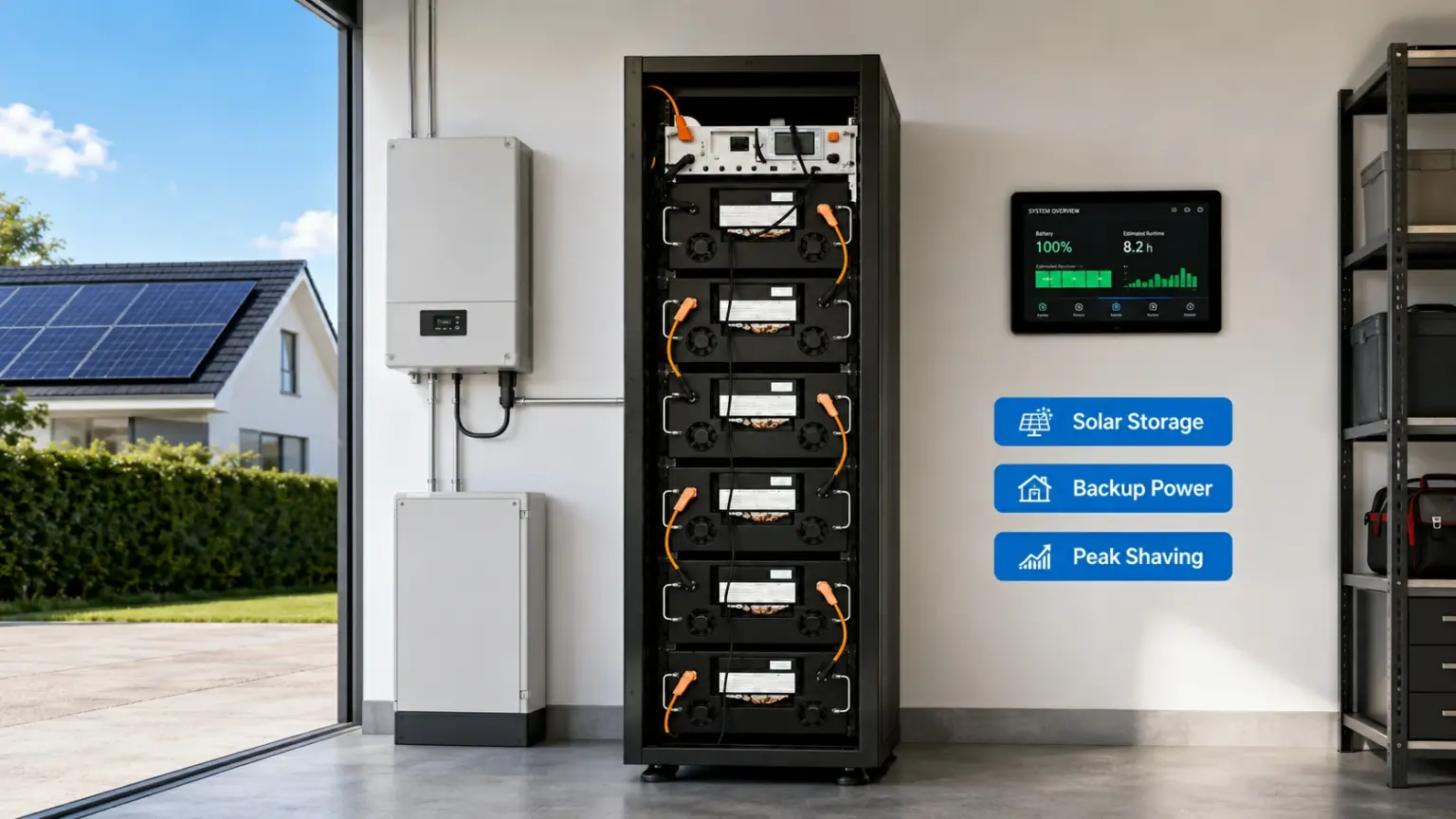
Breaking Down BESS in Language Everyone Can Understand
The energy industry is full of acronyms and technical terminology that can make important concepts feel more complex than they need to be. BESS is one of those terms that sounds technical but describes something fundamentally simple and increasingly relevant to everyday life. BESS stands for Battery Energy Storage System — essentially, a large, sophisticated battery that stores electrical energy and releases it when needed. Understanding what BESS means in simple terms is the starting point for understanding why this technology is transforming the way the world manages and uses electrical power.
Think of It as a Giant Rechargeable Battery
The simplest way to understand what a BESS is to think about the rechargeable battery in your smartphone, but scaled up enormously and made far more sophisticated. Your phone battery stores energy when you plug it in and releases it when you use the device. A BESS does exactly the same thing, but for homes, businesses, factories, and even entire electricity grids. It charges when electricity is available and affordable, and it discharges when electricity is needed or expensive. This simple charge-and-release function, performed reliably and efficiently at various scales, is what makes BESS technology so valuable in modern energy systems.
Where Does the Energy Come From?
A BESS can be charged from virtually any electricity source — the utility grid, a rooftop solar installation, a wind turbine, or a combination of sources working together. The flexibility of charging source is one of the key practical advantages of battery energy storage. A business might charge its BESS from the grid during low-cost overnight hours and use that stored energy during expensive peak-demand periods. A solar farm might charge its BESS during peak generation hours and dispatch stored energy in the evening when generation stops but demand continues. A home might use solar panels to charge a BESS during the day and power the household from stored energy after dark.
Who Uses BESS and Why?
Battery energy storage systems are used by an increasingly diverse range of organizations for an equally diverse range of reasons. Homeowners use residential BESS to reduce electricity bills, increase solar self-consumption, and maintain power supply during grid outages. Commercial and industrial businesses use BESS to manage peak demand charges, provide backup power for critical operations, and reduce their overall energy costs. Renewable energy developers use BESS to add dispatchability to generation projects, making solar and wind power more reliable and commercially valuable. Grid operators use large-scale BESS installations to stabilize frequency and voltage across regional power networks.
Simple Chemistry Behind the Technology
While the engineering of modern Battery Energy Storage Systems is sophisticated, the underlying chemistry that makes them work is something most people already understand intuitively. Lithium-ion batteries — the dominant battery chemistry in modern BESS applications — store energy by moving lithium ions between electrodes during charging and releasing energy by reversing that ionic movement during discharge. This electrochemical process is highly efficient, capable of thousands of repeated cycles, and scalable from small residential units to utility-scale installations measuring in megawatt-hours. The chemistry is the same whether it is powering your laptop or balancing a regional electricity grid.
Why BESS Matters More Than Ever
The global energy transition from fossil fuels to renewable sources creates a fundamental need for energy storage that makes BESS one of the most strategically important technologies of the current decade. As solar and wind power represent growing shares of electricity generation worldwide, the intermittent nature of these sources creates increasing demand for storage solutions that can balance supply and demand across time. BESS is the most mature, scalable, and cost-effective available technology for this balancing function, making it central to every serious clean energy strategy at every scale from household to national grid.
Avepower’s Simple Approach to Complex BESS Needs
Avepower simplifies the procurement of customizable battery energy storage systems for global B2B clients by offering OEM and ODM manufacturing services that translate each client’s specific requirements into production-ready BESS solutions. Whether the application is residential, commercial, or industrial, Avepower’s manufacturing expertise and customization capabilities make the process of accessing high-quality BESS solutions straightforward for energy system integrators and project developers worldwide. Explore what BESS means for your specific energy project by visiting the comprehensive resource at what does bess mean and then contacting Avepower directly.