
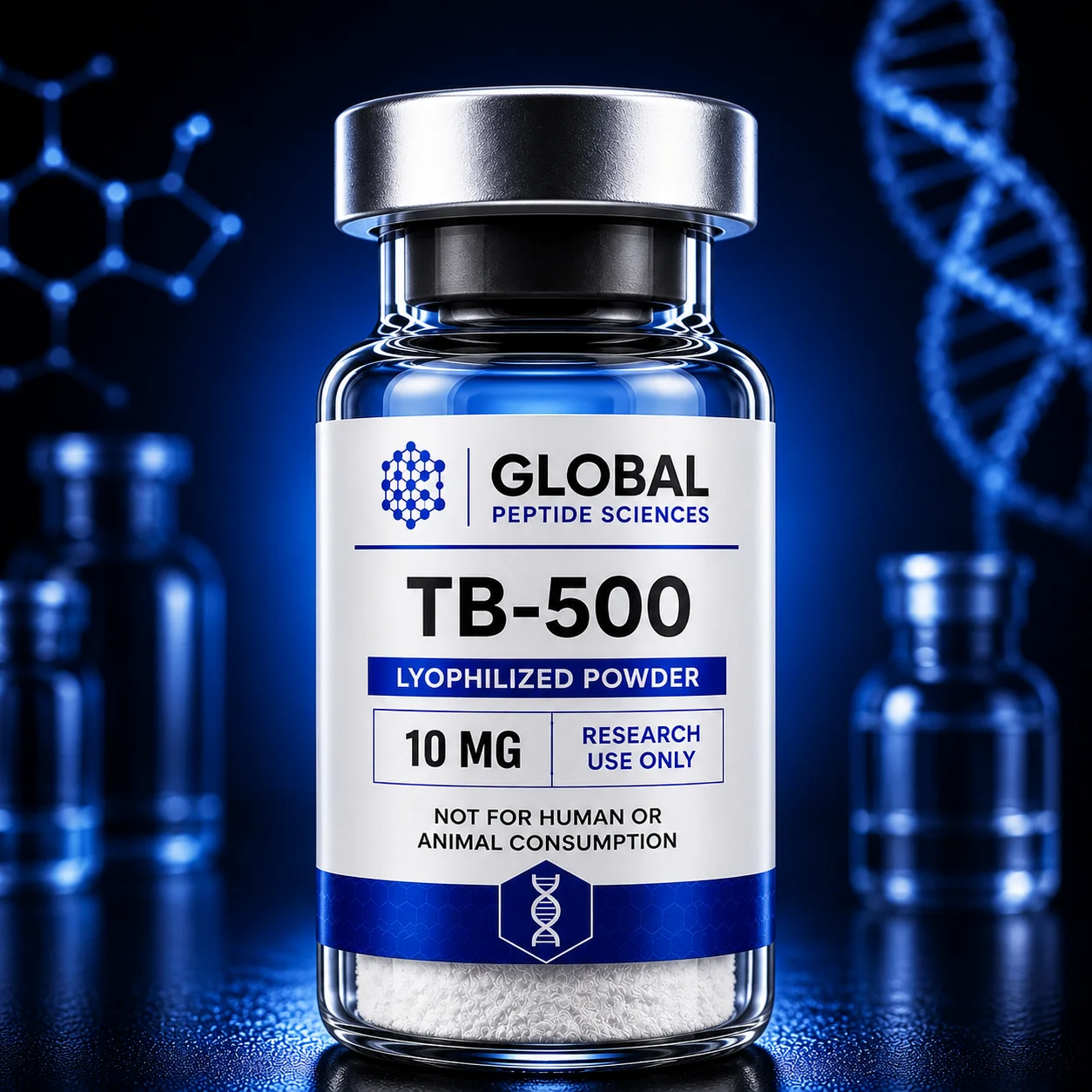
Modern scientific research increasingly depends on highly controlled molecular tools that allow researchers to investigate cellular behavior, tissue modeling, protein interactions, and biochemical signaling pathways with precision. Among these tools, peptides used in laboratory environments require strict handling protocols, validated storage conditions, and comprehensive quality verification systems to ensure experimental accuracy and reproducibility. As the field continues to expand, Australian laboratories are placing greater emphasis on standardized quality frameworks within TB-500 Research Peptides, ensuring that every stage of the research material lifecycle—from manufacturing to storage—meets rigorous scientific expectations.
Reliable research outcomes depend not only on experimental design but also on the stability and integrity of the materials used. Even minor deviations in storage conditions or handling procedures can significantly affect molecular consistency, leading to variability in experimental results. For this reason, best practices in peptide storage and verification have become essential components of modern laboratory science.
The Importance of Stability in Peptide Research
Stability is one of the most critical factors influencing the reliability of research peptides. A peptide’s stability determines how well it maintains its structural integrity under specific environmental conditions over time.
Factors such as temperature fluctuations, exposure to moisture, repeated freeze-thaw cycles, and light exposure can all contribute to degradation. When peptides degrade, their molecular structure may change, leading to inconsistent or unreliable experimental results.
To minimize these risks, laboratories implement strict environmental controls designed to preserve molecular stability. These controls ensure that peptides remain in a consistent state from the moment they are received until they are used in experimental procedures.
Within the broader field of research peptides australia, stability management is recognized as a foundational requirement for ensuring reproducible scientific outcomes.
Optimal Storage Conditions in Laboratory Environments
Proper storage is essential for maintaining peptide integrity. Most research-grade peptides require low-temperature storage conditions to preserve their structural stability over extended periods.
Laboratories typically use controlled refrigeration or ultra-low temperature freezers to maintain optimal storage environments. These systems help slow down molecular degradation processes and prevent unwanted chemical reactions.
In addition to temperature control, humidity regulation is equally important. Excess moisture can accelerate degradation or introduce contamination risks, making desiccated storage environments or sealed packaging systems essential.
Light exposure is another critical factor. Certain peptides may be sensitive to photodegradation, requiring storage in opaque or light-resistant containers to maintain stability.
These storage practices collectively ensure that research materials remain consistent and reliable throughout their lifecycle.
The Role of Lyophilization in Stability Enhancement
Lyophilization, or freeze-drying, is a widely used technique in peptide preservation. This process removes moisture from the compound under controlled conditions, converting it into a stable, dry powder form.
Lyophilized peptides are generally more stable than liquid formulations because the absence of water reduces the likelihood of hydrolysis and other degradation reactions. This makes lyophilization a key step in maintaining long-term peptide integrity.
Once lyophilized, peptides must still be stored under appropriate conditions to preserve their quality. Proper reconstitution procedures are also essential to ensure that the peptide retains its intended structure and function for research use.
Quality Verification Through Analytical Testing
Quality verification is a fundamental component of modern peptide research. Before peptides are introduced into laboratory workflows, they must undergo rigorous analytical testing to confirm identity, purity, and structural consistency.
High-Performance Liquid Chromatography (HPLC) is commonly used to assess peptide purity by separating individual molecular components. This allows researchers to detect impurities or incomplete synthesis products that may affect experimental outcomes.
Mass Spectrometry (MS) provides additional confirmation by verifying molecular weight and structural identity. These combined techniques offer a comprehensive evaluation of peptide quality.
In laboratories operating within research peptides australia, analytical verification is considered essential for maintaining scientific accuracy and reproducibility.
Certificates of Analysis and Research Transparency
Certificates of Analysis (COAs) play a crucial role in laboratory quality systems. These documents provide detailed information about each peptide batch, including purity levels, molecular weight confirmation, analytical methods, and storage recommendations.
COAs ensure transparency by allowing researchers to evaluate product quality before use in experimental studies. They also provide traceability, enabling laboratories to maintain accurate records of all research materials.
This documentation supports internal quality assurance systems and helps ensure that experimental results can be validated and reproduced under consistent conditions.
Transparent reporting is a key component of responsible scientific practice and is widely recognized as a standard requirement in peptide research environments.
Batch Consistency and Experimental Reliability
Scientific research often requires multiple batches of the same peptide over extended study periods. For this reason, batch consistency is essential for ensuring reliable experimental comparisons.
Manufacturers achieve batch consistency through standardized synthesis protocols, controlled production environments, and repeated analytical testing for each production cycle.
Without consistent batch quality, researchers may encounter variability in experimental outcomes that cannot be attributed to the study design itself. This undermines scientific reliability and complicates data interpretation.
Maintaining consistent quality across production batches is therefore a critical requirement in research peptides australia, supporting long-term scientific investigations.
Proper Handling Practices in Laboratory Settings
In addition to storage conditions, proper handling techniques are essential for preserving peptide stability. Repeated freeze-thaw cycles, contamination risks, and improper reconstitution methods can all negatively impact peptide quality.
Laboratories implement standardized handling protocols to minimize these risks. These protocols include aliquoting samples to avoid repeated thawing, using sterile equipment during preparation, and following precise reconstitution guidelines.
Careful handling ensures that peptides retain their intended molecular structure throughout experimental use, improving data reliability and reproducibility.
The Importance of Documentation and Traceability
Documentation is a critical aspect of peptide quality management. In addition to COAs, laboratories maintain detailed records of storage conditions, batch numbers, usage timelines, and experimental applications.
This level of traceability allows researchers to track materials throughout their lifecycle, ensuring accountability and supporting quality assurance audits.
Accurate documentation also facilitates collaboration between research teams by providing consistent reference points for experimental replication and comparison.
Advances in Storage and Quality Control Technologies
Technological advancements are continuously improving peptide storage and quality management systems. Automated temperature monitoring, digital inventory tracking, and electronic documentation systems are enhancing laboratory efficiency and accuracy.
Modern analytical instruments also provide faster and more precise quality verification, enabling researchers to assess peptide integrity with greater confidence.
Artificial intelligence and predictive analytics are beginning to play a role in identifying potential stability risks and optimizing storage conditions based on environmental data.
These innovations are strengthening the overall reliability of research peptides australia, ensuring that laboratories have access to consistently high-quality research materials.
Conclusion
Best practices in peptide storage, stability management, and quality verification are essential for ensuring reliable scientific research. From controlled environmental storage and lyophilization to analytical testing and documentation, every stage of the peptide lifecycle contributes to experimental accuracy and reproducibility.
The continued advancement of research peptides australia highlights the importance of rigorous quality systems in modern laboratory science. As technology evolves, improvements in storage monitoring, analytical testing, and documentation will continue to enhance the reliability of research outcomes.
By prioritizing stability, verification, and standardized handling practices, laboratories can ensure that their research materials support meaningful, accurate, and reproducible scientific discoveries across biotechnology and life science disciplines.
Disclaimer: This article is intended for educational and informational purposes only. Research peptides are strictly for laboratory and scientific research use and are not approved for human consumption, medical treatment, or veterinary applications unless authorized by relevant regulatory authorities.