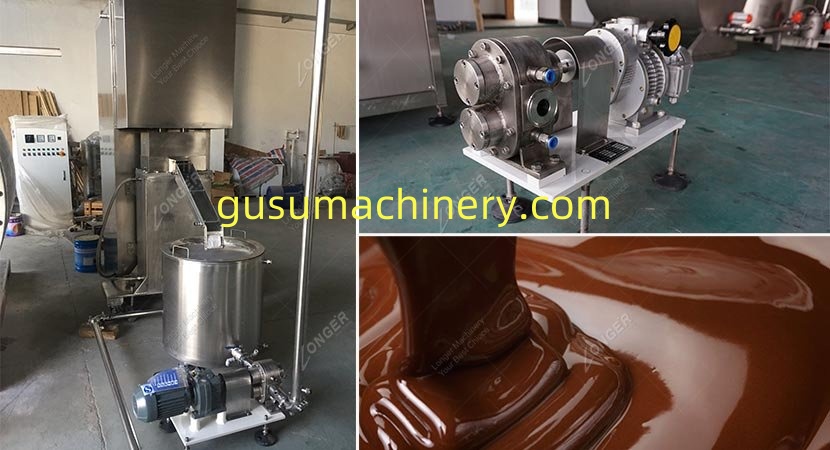
Material selection plays an essential role in the development of food processing equipment, especially when manufacturers require stable operation, hygienic production, and long-term reliability. In modern confectionery production, a Chocolate Chips Machine depends not only on advanced engineering but also on carefully selected materials that influence cleanliness, durability, and overall processing performance. The materials used in equipment construction directly affect how smoothly production environments operate and how effectively manufacturers maintain consistent product quality.
Food processing machinery works in environments where hygiene and safety are always important considerations. Since chocolate production involves direct contact between ingredients and equipment surfaces, manufacturers need machinery made from materials that support clean processing practices. High-quality food-grade materials help reduce contamination risks while making daily cleaning and maintenance more convenient. The choice of materials becomes a foundation for creating equipment that meets the practical needs of modern chocolate manufacturers.
Stainless steel is widely recognized as a preferred material in food processing industries because of its combination of strength, cleanliness, and resistance to environmental challenges. Its smooth surface helps prevent unwanted residue accumulation, allowing operators to maintain a more hygienic working area. In chocolate production, where ingredients can easily remain on equipment surfaces, material quality contributes significantly to efficient cleaning procedures and stable production conditions.
Beyond hygiene advantages, durable materials also influence the service life of processing equipment. Machinery used in food production often experiences continuous operation, regular cleaning, and frequent handling. Materials with strong structural characteristics help equipment maintain reliable performance while reducing the need for frequent repairs. Long-lasting construction supports manufacturers in creating more efficient production workflows and improving the overall value of their investment.
The relationship between materials and equipment performance is also reflected in processing consistency. Well-selected materials provide a stable foundation for mechanical components, allowing different parts of the machine to work together smoothly. When equipment structures maintain reliable support, manufacturers can achieve better control over production processes and reduce interruptions caused by unnecessary mechanical issues.
Another important aspect of material selection is compatibility with food manufacturing environments. Equipment materials should remain stable when exposed to moisture, temperature changes, and cleaning routines commonly found in production facilities. Suitable materials help maintain the original condition of machinery while supporting safe and efficient food processing operations over time.
Surface treatment is another factor that improves the practical value of processing equipment. Carefully finished surfaces create a cleaner appearance and help reduce areas where chocolate ingredients may remain after production. Smooth and well-designed surfaces make routine maintenance easier for operators, allowing factories to maintain better production organization and workplace cleanliness.
Material selection also supports modern manufacturing trends focused on sustainability and resource efficiency. Equipment built with reliable materials can provide longer operational service, reducing the need for replacement and helping manufacturers manage resources more effectively. Durable construction reflects a long-term approach to industrial production by balancing performance requirements with responsible manufacturing practices.
In addition to the main structural materials, smaller components also require careful consideration. Every part of food processing equipment contributes to overall reliability, from internal moving elements to external protective structures. Manufacturers must consider how different materials interact within the complete system to ensure smooth operation and consistent performance throughout the production process.
The experience of equipment manufacturers plays an important role in material application. Professional manufacturers understand that selecting materials is not simply about choosing strong components but about creating equipment that fits real production environments. Knowledge of food processing requirements, cleaning expectations, and operational challenges helps manufacturers develop more practical and user-friendly solutions.
Gusu Food Processing Machinery Suzhou Co., Ltd. focuses on combining engineering experience with suitable material selection to create dependable food processing solutions for chocolate manufacturers. By considering hygiene, durability, and production requirements during equipment development, the company supports businesses seeking reliable machinery for modern confectionery applications. More information about its chocolate processing solutions and equipment products can be found at https://www.gusumachinery.com/.