
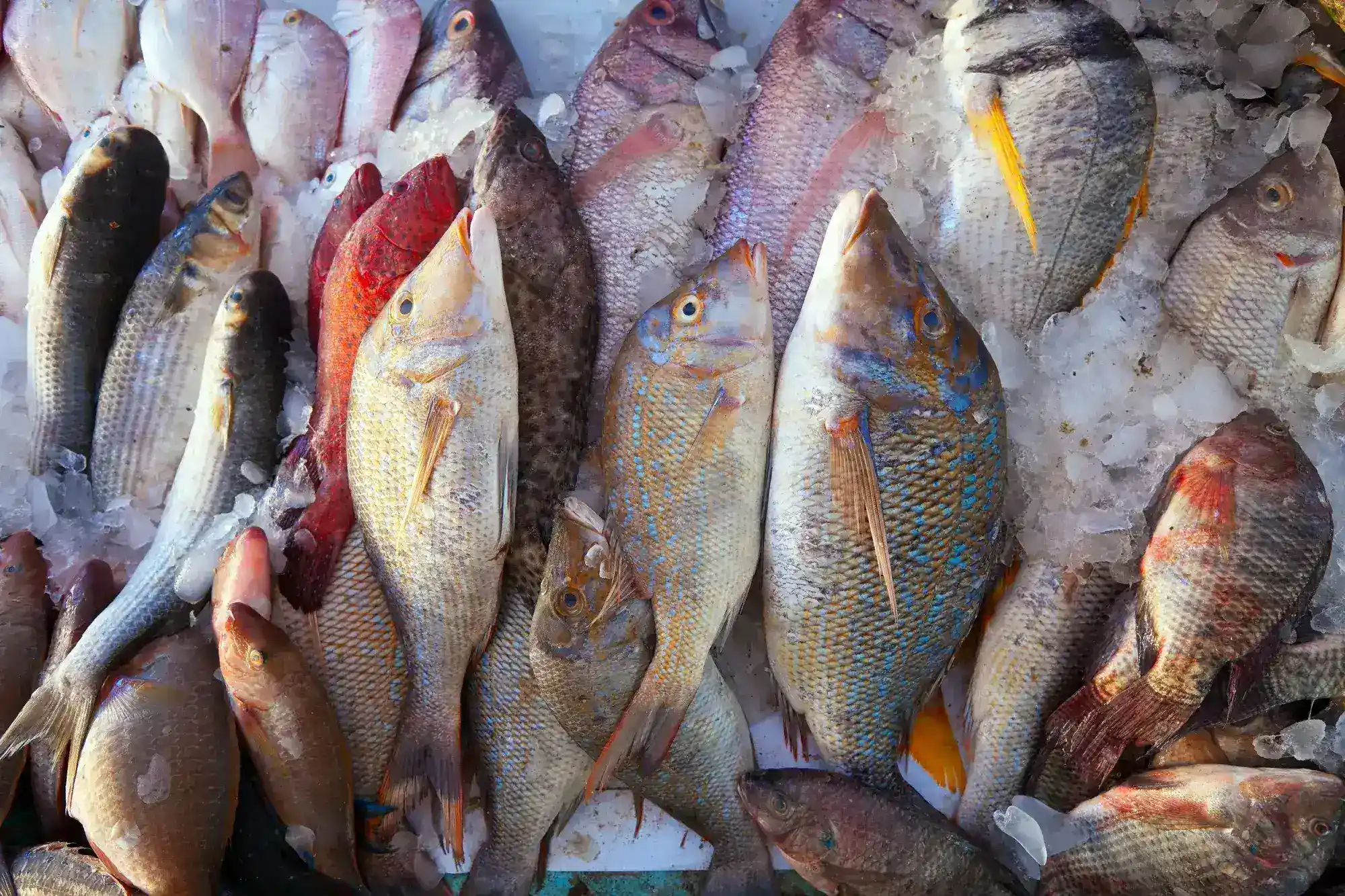
Fresh seafood is one of the healthiest and most flavorful food choices, yet many people struggle to find high-quality options close to home. Traditional grocery stores may offer limited selections, while freshness often depends on shipping schedules, storage practices, and seasonal availability. Choosing the right seafood delivery service can solve many of these challenges by providing access to responsibly sourced fish and shellfish with greater convenience.
Whether you cook seafood every week or only for special occasions, understanding how delivery services work helps you make better purchasing decisions. If you are researching seafood delivery near fort wayne indiana, it is useful to compare freshness standards, packaging methods, and delivery schedules before placing an order. This approach helps ensure that the seafood arriving at your door meets your expectations without unnecessary waste.
As seafood delivery continues to grow across the United States, consumers have more choices than ever. However, not every service follows the same quality standards. Knowing what to look for makes a significant difference in both taste and food safety.
Understanding Modern Seafood Delivery
Seafood delivery is a service that transports fresh or frozen fish, shellfish, and other seafood products directly from suppliers, fisheries, or seafood markets to customers. Modern cold-chain logistics have made it possible to preserve freshness throughout transportation while maintaining safe storage temperatures.
Many providers source seafood from local fishermen, sustainable fisheries, or certified distributors. Products are carefully cleaned, packed with insulated materials, and shipped using refrigerated packaging designed to keep temperatures stable until delivery.
Popular seafood available through delivery services includes:
- Salmon
- Shrimp
- Tuna
- Cod
- Crab
- Lobster
- Scallops
- Oysters
- Mussels
- Tilapia
Consumers appreciate seafood delivery because it saves shopping time while providing access to premium selections that may not be available locally.
How to Choose the Right Seafood Delivery Service
Finding a dependable seafood delivery provider requires more than comparing prices. Consider several important factors before making your first purchase.
Check Freshness Standards
Freshness should always come first. Reliable companies clearly explain when seafood was harvested, processed, and shipped. Many premium suppliers package products immediately after processing to preserve quality.
For example, if ordering fresh salmon, look for information about harvest dates rather than only expiration dates.
Review Packaging Methods
Proper insulation protects seafood during transit. High-quality services use insulated boxes, frozen gel packs, or dry ice when necessary. Packaging should prevent temperature fluctuations throughout delivery.
When your order arrives, the seafood should still feel properly chilled according to the product type.
Understand Delivery Schedules
Some companies deliver daily, while others only ship on certain weekdays. Planning your order around your cooking schedule helps maintain freshness.
If you plan to prepare seafood for a weekend family dinner, schedule delivery one day before cooking whenever possible.
Compare Product Variety
A quality seafood supplier offers multiple options instead of focusing on only a few products. Variety allows customers to experiment with different recipes and seasonal seafood.
Many households enjoy rotating between salmon, shrimp, cod, and scallops throughout the month.
Read Customer Experiences
Customer feedback often highlights consistency, packaging quality, and delivery reliability. While every business receives occasional complaints, recurring issues related to freshness or delayed deliveries deserve attention.
Step-by-Step Guide to Ordering Seafood Online
Ordering seafood online becomes much easier with a simple process.
Identify Your Cooking Plan
Start by deciding which meals you want to prepare. Buying seafood with a specific recipe in mind prevents unnecessary waste.
For example, shrimp works well for pasta dishes, while cod is excellent for baked dinners.
Choose Appropriate Portions
Estimate serving sizes before ordering. Most adults consume approximately six ounces of cooked seafood per meal.
Ordering the correct quantity reduces leftovers and helps maintain quality.
Verify Storage Instructions
Different seafood products require different storage methods.
Fresh fish should usually be refrigerated and cooked within a short period, while frozen seafood may remain in the freezer for several months if properly sealed.
Always follow the storage recommendations provided with your order.
Inspect Your Delivery
After receiving your package, inspect the contents immediately.
Check that packaging remains intact, seafood is cold, and there are no unusual odors. Quality seafood should smell clean and fresh rather than overly fishy.
Cook Safely
Use separate cutting boards for seafood and other ingredients to prevent cross-contamination.
Cook seafood to appropriate internal temperatures according to food safety recommendations and serve immediately for the best flavor.
Common Challenges When Ordering Seafood
Even experienced buyers occasionally encounter problems.
One common mistake is selecting seafood based solely on price. Lower prices sometimes reflect lower quality, inconsistent sourcing, or inadequate packaging.
Another issue involves ordering more than necessary. Buying excessive quantities may lead to freezer burn or food waste if products remain unused for extended periods.
Many customers also overlook delivery timing. Ordering seafood without considering travel plans or work schedules increases the risk of packages sitting outdoors for too long.
Improper storage after delivery creates another challenge. Fresh seafood should never remain unrefrigerated beyond recommended safety limits.
Finally, some buyers ignore seasonal availability. Certain seafood varieties naturally taste better during specific harvesting seasons, making seasonal selections more enjoyable.
Expert Tips for Better Seafood Delivery Experiences
Planning ahead greatly improves the overall experience.
Create a weekly meal schedule before placing your order. This habit helps you purchase only what you need while reducing unnecessary spending.
Experiment with different seafood varieties instead of purchasing the same fish every time. Trying new options expands your cooking skills and introduces different nutritional benefits.
Learn basic seafood preparation techniques. Simple skills such as proper thawing, seasoning, and cooking temperatures significantly improve meal quality.
Store seafood correctly immediately after delivery. Fresh products belong in the coldest part of the refrigerator, while frozen items should move directly into the freezer if not used soon.
Pay attention to portion control. Smaller, properly planned orders often maintain better freshness than buying large quantities infrequently.
Finally, keep a record of your favorite products and recipes. Over time, you will better understand which seafood varieties suit your family’s tastes and cooking style.
Conclusion
Seafood delivery offers a practical way to enjoy fresh, nutritious meals without depending entirely on local store availability. By evaluating freshness standards, packaging quality, delivery schedules, and sourcing practices, consumers can make informed decisions that lead to consistently satisfying results. Careful planning, proper storage, and thoughtful meal preparation help maximize both quality and value. With the right approach, seafood delivery becomes a reliable solution for bringing fresh flavors to your table throughout the year.