
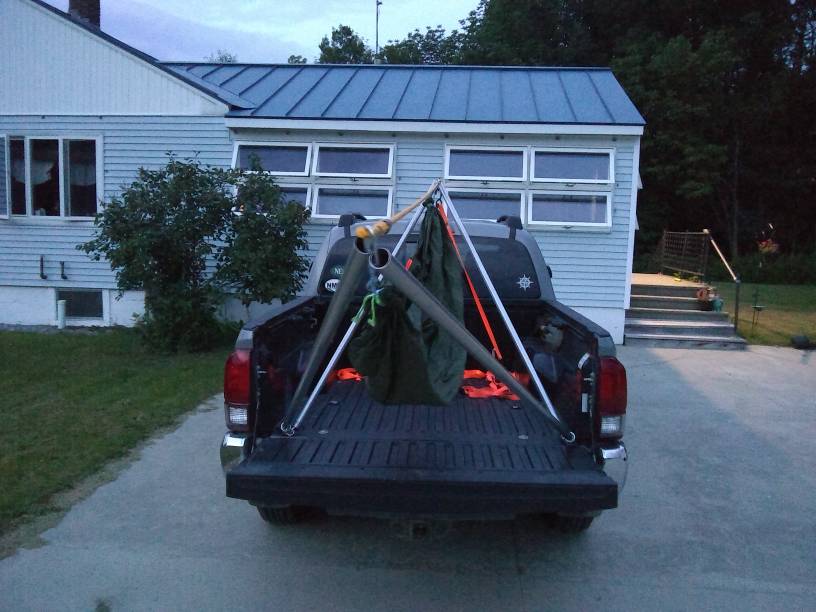
Spending long hours on the road often means looking for safe and comfortable places to relax. Whether you’re traveling across states, camping in remote areas, or taking a break between work shifts, having a dependable resting setup can make a noticeable difference. Many travelers want a solution that is lightweight, easy to carry, and quick to install without requiring additional equipment.
One practical option is a truck hammock, which offers a suspended resting space that fits various outdoor situations. Instead of sleeping directly on uneven ground, users can create a more comfortable resting area while making better use of available space around or inside a truck setup. When chosen carefully and used correctly, this simple piece of gear improves both convenience and overall travel comfort.
Outdoor enthusiasts, overland travelers, and truck owners continue to adopt truck hammocks because they combine portability with versatility. Understanding how they work and how to select the right one helps ensure a safer and more enjoyable experience wherever the journey leads.
Understanding a Truck Hammock
A truck hammock is a specially designed hammock that works with pickup trucks or truck accessories to provide a suspended place for resting. Depending on the model, it may attach inside the truck bed, between roof racks, or to nearby anchor points while camping.
Unlike traditional hammocks that always require two trees, truck-specific models offer greater flexibility. This makes them useful in deserts, parking areas, campgrounds, beaches, and other locations where natural anchor points are unavailable.
Several materials are commonly used in quality truck hammocks, including:
- High-strength nylon for durability
- Reinforced polyester straps
- Heavy-duty stitching for load support
- Rust-resistant carabiners
- Weather-resistant fabrics
Weight capacity varies by manufacturer, but many premium models comfortably support one adult while maintaining stability.
Truck hammocks are popular among:
- Weekend campers
- Overlanding enthusiasts
- Hunters
- Fishermen
- Road trip travelers
- Outdoor photographers
- Mobile workers needing rest breaks
Their versatility allows users to enjoy comfortable rest without carrying bulky camping furniture.
How to Choose and Use a Truck Hammock Effectively
Selecting the right truck hammock involves more than choosing an attractive design. Practical considerations improve both comfort and safety.
Step 1: Verify Truck Compatibility
Begin by checking your truck’s dimensions. Truck beds vary in length and width, and certain hammocks are designed specifically for short-bed or long-bed pickups.
Manufacturers usually provide compatibility charts to help users match the correct size.
Step 2: Review Weight Capacity
Never exceed the recommended weight limit.
A hammock rated for higher loads generally provides additional durability, even when carrying camping gear alongside the user.
Step 3: Inspect Suspension Components
The suspension system is just as important as the hammock itself.
Check for:
- Strong straps
- Reliable buckles
- Reinforced attachment loops
- Heavy-duty carabiners
Poor-quality hardware often fails before the fabric does.
Step 4: Practice Installation
Practice assembling the hammock before your first camping trip.
Knowing the setup process saves time when arriving at camp after sunset or during bad weather.
Step 5: Test Stability
After installation, apply gentle pressure before fully sitting or lying down.
This simple test confirms that attachment points remain secure and evenly balanced.
Choosing the Best Location
Even with truck-supported systems, location still matters.
Good locations include:
- Level parking areas
- Stable campsites
- Dry ground
- Areas away from heavy traffic
- Locations protected from strong winds
Avoid setting up beneath damaged tree branches or near unstable slopes.
Common Mistakes When Using a Truck Hammock
Many first-time users make simple errors that reduce comfort or increase safety risks.
One frequent mistake is installing the hammock too high. Although it may seem appealing, higher setups increase the chance of injury if someone falls.
Another common issue involves improper strap angles. Overly tight suspension creates excessive force on anchor points, while loose suspension causes poor support.
Ignoring weather conditions is another problem.
Strong winds, heavy rain, or lightning storms should always prompt users to dismantle the hammock and seek proper shelter.
Many travelers also skip routine inspections.
Over time, dirt, moisture, UV exposure, and repeated use gradually weaken fabrics and straps. Inspecting equipment before every trip helps identify worn stitching or damaged hardware before failure occurs.
Another mistake involves exceeding storage recommendations.
Leaving the hammock wet inside a storage bag encourages mold growth and unpleasant odors. Instead, allow it to dry completely before packing.
Finally, some users underestimate insects.
Adding bug protection during warmer months significantly improves sleeping comfort, particularly near lakes, forests, and wetlands.
Expert Tips for Maximum Comfort and Longevity
Experienced campers often follow simple habits that greatly improve their truck hammock experience.
Use an underquilt or insulated pad during colder nights.
Since air circulates beneath the hammock, body heat escapes more quickly than many people expect. Additional insulation helps maintain warmth throughout the night.
Bring a small pillow rather than folding clothing beneath your head.
Proper neck support improves sleep quality during extended trips.
Organize frequently used items within easy reach.
Many campers attach small storage pouches to suspension straps for flashlights, water bottles, phones, and glasses.
Keep footwear directly beneath the hammock.
This simple habit prevents unnecessary searching during nighttime bathroom trips.
Clean the hammock regularly using mild soap and cool water.
Avoid harsh chemicals or bleach, as they may weaken synthetic fibers over time.
Store the hammock loosely when not in use.
Long-term compression inside a tightly packed bag can shorten fabric lifespan.
For extended road trips, carry spare suspension straps.
Unexpected wear or accidental damage becomes much easier to manage when replacement components are readily available.
Real-World Example
Imagine a family traveling through several national parks over two weeks.
Instead of unpacking a tent during every short stop, they install their truck hammock in minutes during afternoon breaks. Parents enjoy a comfortable place to relax while children explore nearby picnic areas. Later, the hammock packs away quickly, allowing the family to continue their journey without lengthy campsite setup.
Similarly, a wildlife photographer arriving before sunrise can use the hammock for short rest periods between photography sessions without carrying bulky furniture into remote locations.
These practical scenarios demonstrate why truck hammocks continue gaining popularity among outdoor travelers who value flexibility and efficient use of space.
Conclusion
A truck hammock offers a practical solution for travelers seeking comfort without adding unnecessary bulk to their outdoor gear. Choosing a compatible model, inspecting equipment regularly, and following safe installation practices help ensure reliable performance in a wide range of environments. With thoughtful preparation and proper maintenance, a truck hammock becomes a valuable companion for camping trips, road adventures, and everyday outdoor relaxation.