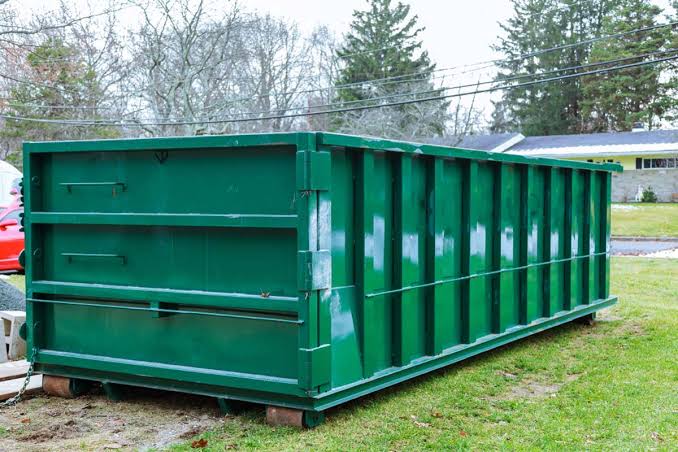
Home renovations, property cleanouts, landscaping projects, and construction work often create more waste than standard curbside bins can handle. Piles of debris can slow progress, create safety hazards, and make a project feel overwhelming. Choosing the right waste removal solution keeps the worksite organized while reducing unnecessary trips to local disposal facilities.
Many homeowners begin by researching dumpsters for rent near cleveland ohio to better understand rental options, container sizes, and local disposal practices before starting a project. Learning these basics helps people estimate their needs, avoid common mistakes, and manage waste responsibly without interrupting their workflow.
Whether you are replacing a roof, remodeling a kitchen, or clearing out years of accumulated belongings, selecting the right dumpster can save both time and effort. Understanding how rentals work allows you to plan more effectively and prevent unexpected costs.
Understanding Dumpster Rentals and Their Benefits
A dumpster rental provides a temporary waste container delivered directly to your property. After filling it with approved materials, the rental company collects the container and transports the contents to an appropriate disposal or recycling facility.
This service is useful for projects of nearly every size. Instead of filling multiple trash cans or making repeated landfill trips, you can dispose of large volumes of waste in one convenient location.
Common projects that benefit from dumpster rentals include:
- Home remodeling
- Garage and attic cleanouts
- Estate cleanups
- Roofing replacements
- Landscaping renovations
- Deck demolition
- Commercial office renovations
- New construction projects
The biggest advantage is convenience. Workers spend less time managing debris and more time completing the project safely.
Step-by-Step Guide to Renting the Right Dumpster
Planning ahead makes the rental process straightforward and cost-effective.
Determine Your Project Scope
Begin by estimating the amount of waste your project will generate. Small bathroom remodels produce far less debris than complete home renovations.
For example, replacing kitchen cabinets may require a medium-sized dumpster, while demolishing multiple rooms could require a significantly larger container.
Choose an Appropriate Dumpster Size
Dumpster sizes are usually measured in cubic yards.
Smaller dumpsters work well for garage cleanouts and minor remodeling projects. Medium containers handle flooring replacements, kitchen renovations, and roofing materials. Larger dumpsters are better suited for construction, commercial renovations, and whole-home cleanouts.
Selecting the correct size reduces the likelihood of needing a second container.
Understand Acceptable Materials
Most rental companies allow common construction debris, wood, drywall, furniture, yard waste, and household junk.
However, certain items are typically restricted, including:
- Paints and solvents
- Batteries
- Tires
- Propane tanks
- Hazardous chemicals
- Motor oil
- Asbestos-containing materials
Reviewing the accepted material list before loading the dumpster helps prevent additional fees.
Select a Suitable Placement Area
The dumpster should be placed on a flat, stable surface with enough room for delivery and pickup.
Driveways are often the most practical option because they offer easy access while minimizing disruption. If placement on a public street is necessary, local permit requirements should be verified in advance.
Load the Dumpster Efficiently
Place heavier materials at the bottom while distributing weight evenly throughout the container.
Breaking down bulky furniture and cutting large pieces of wood into smaller sections creates additional space and improves loading efficiency.
Avoid filling above the top edge, as overloaded dumpsters may not be safely transported.
Choosing the Best Dumpster for Different Projects
Different projects create different types of waste, making dumpster selection an important planning decision.
Home Remodeling
Kitchen, bathroom, and basement renovations generate drywall, cabinets, flooring, insulation, and fixtures.
A medium-sized dumpster usually provides enough capacity without occupying excessive driveway space.
Roofing Projects
Old shingles are surprisingly heavy.
Rather than focusing only on volume, consider the weight of roofing materials when selecting a dumpster to avoid exceeding weight limits.
Landscaping Projects
Tree branches, soil, shrubs, and old fencing can quickly accumulate.
If your project involves heavy dirt or concrete, discuss weight restrictions before scheduling delivery.
Estate and Property Cleanouts
Cleaning an inherited property often involves furniture, appliances, clothing, household items, and years of stored belongings.
A larger dumpster simplifies the cleanup by allowing continuous disposal without repeated pickups.
Common Mistakes When Renting a Dumpster
Many rental issues can be avoided with proper planning.
One frequent mistake is underestimating debris volume. Choosing the smallest available dumpster may appear economical, but needing a second rental often increases total costs.
Another common issue involves ignoring prohibited materials. Hazardous waste can delay disposal and result in additional handling charges.
Poor loading practices also create problems. Concentrating all heavy materials on one side can make transportation difficult and unsafe.
Some people also forget to consider delivery access. Low tree branches, parked vehicles, or narrow driveways may complicate placement and pickup.
Finally, delaying reservation until the last minute can reduce availability during busy construction seasons.
Expert Tips for a Smooth Dumpster Rental Experience
Experienced contractors often follow simple practices that improve efficiency throughout the project.
Estimate waste generously instead of choosing the smallest possible container. Slightly larger dumpsters frequently eliminate the need for multiple rentals.
Separate recyclable materials whenever possible. Metal, cardboard, untreated wood, and certain construction materials may be diverted from landfills, reducing environmental impact.
Begin cleanup early rather than waiting until demolition is complete. Continuous debris removal creates a safer workspace and improves productivity.
Communicate clearly with everyone working on the project about acceptable disposal items. This prevents prohibited materials from entering the dumpster accidentally.
Protect your driveway by placing plywood beneath the container when appropriate. While delivery trucks are designed to minimize damage, added protection can help preserve decorative surfaces.
Schedule pickup promptly after completing the project. Removing the dumpster quickly restores access to your property and marks the completion of the cleanup phase.
Keeping pathways clear around the dumpster also improves safety by reducing trip hazards and allowing workers to dispose of materials efficiently.
Conclusion
Renting a dumpster is one of the simplest ways to manage waste during home improvement, construction, landscaping, or property cleanup projects. The right container improves organization, increases jobsite safety, and reduces the time spent transporting debris.
Successful rentals begin with careful planning. Estimating debris accurately, selecting an appropriate dumpster size, understanding disposal restrictions, and loading materials properly all contribute to a smoother experience. By following these practical recommendations, homeowners and contractors can complete projects more efficiently while keeping their work areas clean and organized.