
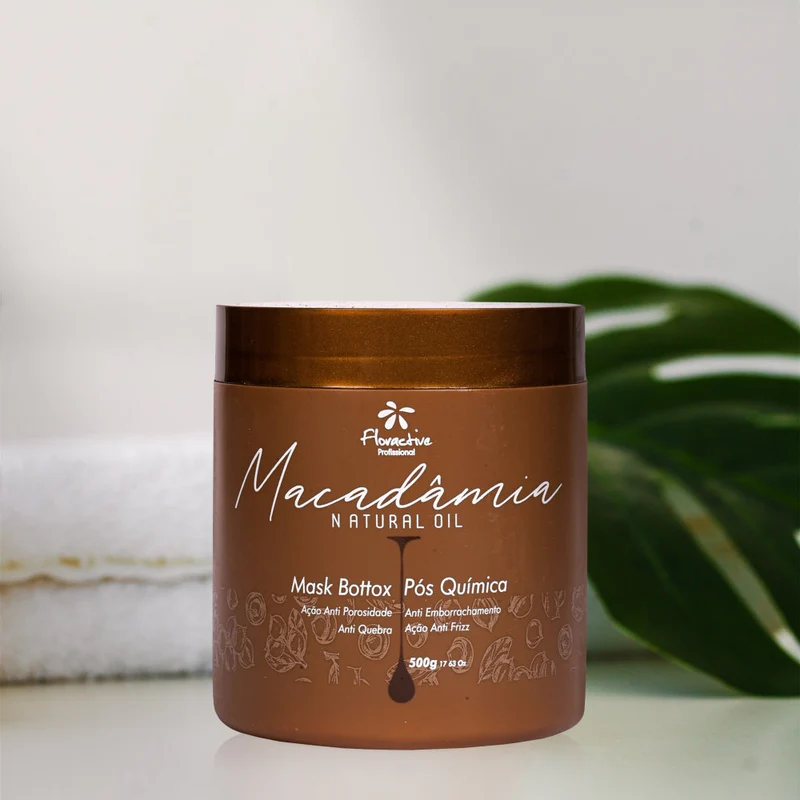
If you’ve ever stood in front of a salon shelf or browsed professional hair care products online, you’ve probably wondered hair mask vs conditioner: what’s the difference? While both products improve hair health, they serve completely different purposes. Using the wrong one—or expecting identical results—can leave your hair feeling dry, frizzy, dull, or lacking the nourishment it truly needs.
For Indian hair, which is frequently exposed to pollution, humidity, heat styling, chemical treatments, and hard water, understanding when to use a conditioner and when to use a hair mask is essential. A conditioner provides daily moisture and smoothness, whereas a hair mask offers intensive repair and deep nourishment for damaged strands.
In this guide, we’ll explain the differences, benefits, ideal usage routines, and how professional salon-quality treatments can elevate your hair care routine. We’ll also discuss why Floractive Professional, distributed in India by Shimmers Cosmetics Pvt. Ltd., recommends advanced restorative treatments like Mask Bottox for healthier, stronger, and shinier hair.
Hair Mask vs Conditioner: What’s the Difference?
Although both products moisturize the hair, they work at different levels of the hair fiber.
What Does a Hair Conditioner Do?
A conditioner is designed for regular use after shampooing. It primarily works on the outer layer of the hair by:
- Smoothing the cuticle
- Reducing friction
- Making hair easier to comb
- Minimizing frizz
- Adding softness and shine
- Preventing tangles
Conditioners provide immediate cosmetic improvements but generally do not repair significant internal damage.
Best For
- Daily hair care
- Mild dryness
- Normal hair
- Maintaining healthy hair
What Does a Hair Mask Do?
A hair mask is an intensive treatment formulated with higher concentrations of nourishing ingredients.
Instead of simply coating the hair surface, quality masks penetrate deeper into the hair shaft to:
- Restore moisture
- Repair damage
- Improve elasticity
- Strengthen weakened strands
- Reduce breakage
- Improve long-term hair health
Hair masks are especially beneficial after coloring, straightening, bleaching, or frequent heat styling.
Hair Mask vs Conditioner Comparison Table
| Feature | Hair Conditioner | Hair Mask |
|---|---|---|
| Purpose | Daily hydration | Intensive repair |
| Usage | Every wash | 1–2 times weekly |
| Penetration | Surface level | Deep nourishment |
| Treatment Time | 2–3 minutes | 10–20 minutes |
| Best For | Normal maintenance | Dry and damaged hair |
| Moisture Level | Moderate | High |
| Repair Ability | Limited | Advanced |
| Ideal Hair Type | Healthy to slightly dry | Chemically treated, frizzy, damaged hair |
When Should You Choose a Conditioner?
Conditioners are ideal when your hair:
Needs Daily Moisture
Regular shampooing removes natural oils. Conditioner restores softness after every wash.
Controls Everyday Frizz
For slightly frizzy or dry hair, conditioner smooths the outer layer without weighing hair down.
Improves Manageability
Conditioners reduce knots and make styling easier, especially for medium to long hair.
When Should You Choose a Hair Mask?
Hair masks become essential when your hair shows signs of damage.
After Chemical Treatments
Hair coloring, smoothening, keratin, and nanoplastia hair treatment India services can leave hair vulnerable without proper maintenance.
A professional repair mask helps replenish lost nutrients and improve hair strength.
Excessive Heat Styling
Daily blow drying, curling, and straightening gradually weaken hair fibers.
Weekly masking restores hydration lost through repeated heat exposure.
Dry and Porous Hair
If your hair absorbs water quickly but dries out just as fast, a nourishing hair mask provides longer-lasting hydration.
Can You Use Both?
Absolutely.
One common misconception is that people must choose one or the other.
Professional stylists recommend using:
- Conditioner after every shampoo
- Hair mask once or twice each week
This combination maintains moisture while also repairing deeper structural damage.
Expert Hair Care Routine
For healthier hair, consider this weekly routine:
Step 1
Cleanse using a professional shampoo suitable for your hair type.
Step 2
Apply conditioner after regular washes.
Step 3
Replace conditioner with a hair mask once or twice weekly.
Step 4
Allow the mask to remain for 10–20 minutes.
Step 5
Rinse thoroughly with cool or lukewarm water.
Step 6
Use a lightweight serum to seal moisture and reduce frizz.
Consistency is far more effective than occasional intensive treatments.
Why Professional Hair Masks Matter
Professional-grade masks typically contain advanced conditioning agents and restorative ingredients that provide deeper nourishment than everyday products.
Benefits include:
- Improved hair elasticity
- Better moisture retention
- Reduced split ends
- Enhanced shine
- Softer texture
- Less breakage
Salon professionals often recommend incorporating intensive treatments into home care routines after professional services.
Why Floractive Professional?
Floractive Professional develops salon-quality hair care solutions designed to support healthy-looking, manageable hair. Distributed in India by Shimmers Cosmetics Pvt. Ltd., the brand focuses on professional formulations suitable for a wide range of hair types and treatment needs.
One option in its professional care range is Mask Bottox, formulated for intensive nourishment and improved hair manageability. It is particularly suitable for hair that feels dry, rough, or stressed from environmental exposure and styling.
You can explore the product here:
When incorporated into a consistent hair care routine, Mask Bottox can complement regular conditioning by providing deeper hydration and helping improve the overall appearance of damaged hair. Many salon professionals recommend alternating a conditioner with Mask Bottox as part of a weekly maintenance routine for smoother, softer results.
Frequently Asked Questions
1. Hair mask vs conditioner: what’s the difference?
Conditioners provide everyday hydration and smoothness, while hair masks deliver deeper nourishment and repair for damaged or chemically treated hair.
2. Should I use a hair mask instead of conditioner?
Not usually. Conditioner is intended for regular use after shampooing, whereas a hair mask is generally used once or twice a week for intensive care.
3. How often should I apply a hair mask?
For most hair types, using a hair mask one or two times each week is sufficient. Very dry or chemically treated hair may benefit from more frequent use, depending on professional advice.
4. Is a hair mask suitable for oily hair?
Yes. Apply the mask mainly through the mid-lengths and ends rather than directly on the scalp to nourish the hair without adding excess weight.
5. Can I use conditioner after a hair mask?
Many masks are designed to replace conditioner during that wash. Follow the product instructions to determine whether an additional conditioner is necessary.
6. Does a hair mask repair split ends?
Hair masks improve the appearance and feel of damaged hair, but they cannot permanently mend split ends. Regular trims remain the best solution for removing split ends.
7. Is a hair mask helpful after salon treatments?
Yes. Hair masks can support hydration and softness after services such as colouring, smoothing, or nanoplastia by helping maintain the hair’s condition between salon visits.
8. Which Floractive Professional product is suitable for deep nourishment?
Mask Bottox from Floractive Professional is designed as an intensive treatment to help nourish dry, damaged, or chemically treated hair as part of a regular care routine.
Final Verdict
Understanding hair mask vs conditioner: what’s the difference allows you to build a more effective hair care routine. While conditioners help maintain smoothness and manageability after every wash, hair masks provide intensive nourishment that supports the needs of dry, damaged, or chemically treated hair.
Rather than choosing one over the other, using both strategically can contribute to healthier-looking, softer, and more resilient hair. If your hair has been exposed to frequent styling, colouring, or environmental stress, incorporating a professional treatment into your weekly routine can make a noticeable difference.
Conclusion
Choosing between a conditioner and a hair mask isn’t about deciding which product is better—it’s about understanding when each one is most beneficial. For regular maintenance, a conditioner remains an essential step after shampooing. For deeper nourishment and care, especially if your hair feels dry or stressed, a professional hair mask can complement your routine.
To learn more about Floractive Professional Mask Bottox, visit:
As part of the Floractive Professional range, distributed in India by Shimmers Cosmetics Pvt. Ltd., this intensive treatment is designed to support healthier-looking hair when used consistently alongside a balanced hair care regimen.