
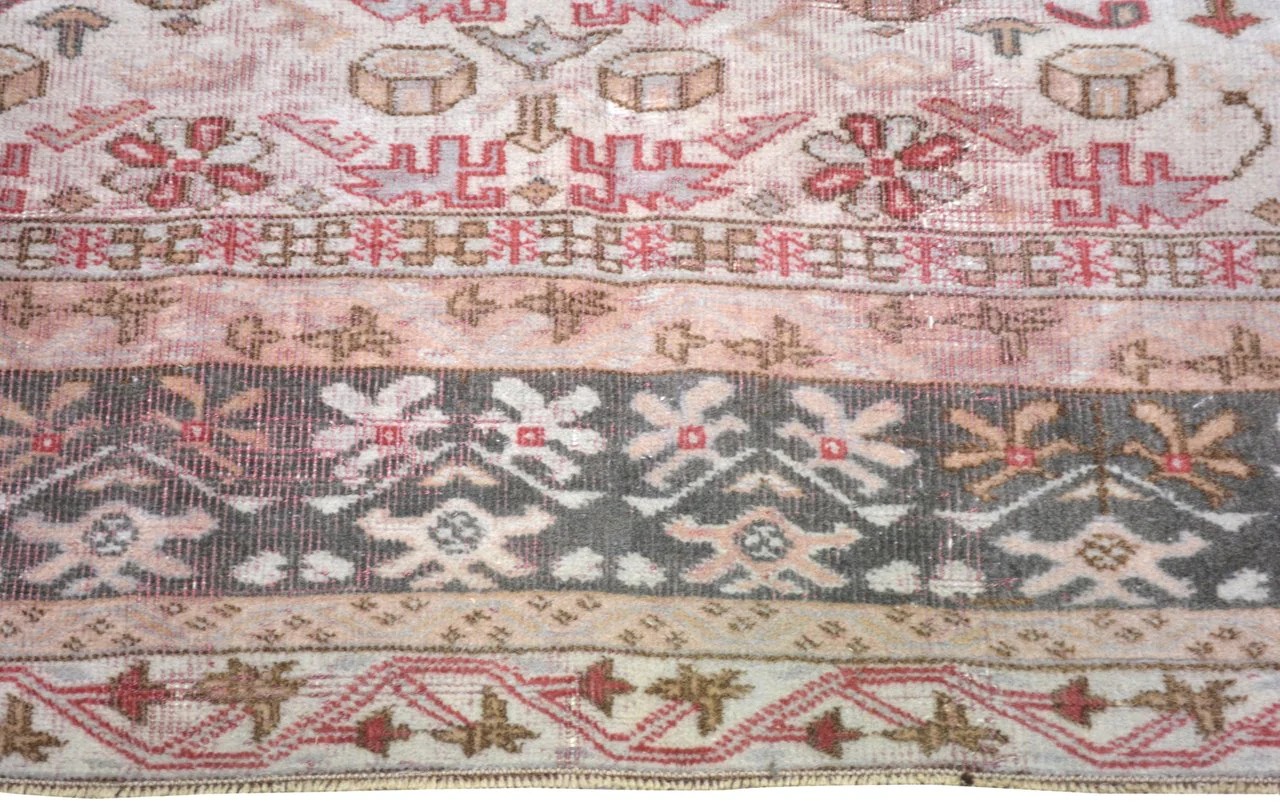
When you walk into a room adorned with a beautifully woven rug, what you may not realize is that behind that piece lies either centuries of human artistry — or a factory assembly line. The debate between hand-knotted and machine-made rugs is more than a matter of price. It is about heritage, durability, and the story woven into every fiber.
What Is a Hand-Knotted Rug?
A hand-knotted rug is crafted by skilled artisans who tie individual knots — sometimes thousands per square inch — around the warp threads of a loom. Each knot is made by hand, which is why a single rug can take months or even years to complete. This ancient technique has been practiced for thousands of years across Turkey, Persia, Afghanistan, and Central Asia.
The result is a rug that is dense, incredibly durable, and entirely unique. No two hand-knotted rugs are exactly alike. Small variations in pattern and color are not flaws — they are signatures of the human hand behind the craft.
What Is a Machine-Made Rug?
Machine-made rugs are produced on power looms using synthetic materials like polypropylene or nylon. A computerized process replicates traditional patterns within hours. While they are more affordable and widely available, they lack the depth, soul, and longevity of their hand-knotted counterparts.
The pile in machine-made rugs is often looser and less resilient. Over time, they tend to flatten, fade, and wear unevenly — especially in high-traffic areas.
Key Differences at a Glance
- Durability: Hand-knotted rugs can last 50 to 100+ years. Machine-made rugs typically last 5 to 20 years.
- Value: Hand-knotted rugs appreciate in value over time. Machine-made rugs depreciate immediately.
- Materials: Hand-knotted rugs use natural wool, silk, or cotton. Machine-made rugs often use synthetics.
- Character: Every hand-knotted rug tells a story through its pattern and imperfections. Machine-made rugs are uniform and generic.
Why Craftsmanship Truly Matters
Choosing a hand-knotted rug is not just an aesthetic decision — it is an investment in culture and artistry. When you purchase a hand-knotted piece, you are supporting master weavers who carry forward traditions passed down through generations.
Craftsmanship also translates into practicality. The natural wool fibers used in hand-knotted rugs are naturally stain-resistant, easy to clean, and incredibly resilient underfoot. Over decades, a well-maintained hand-knotted rug becomes a family heirloom.
If you are serious about quality and longevity, explore our collection of Turkish rugs — each piece handwoven by skilled artisans using time-honoured techniques.
How to Tell the Difference
Flip the rug over. A hand-knotted rug will show the same pattern on the back, though slightly faded. Each knot should be visible individually. A machine-made rug will have a flat, uniform backing — often with a canvas or latex base.
You can also feel the pile. Hand-knotted rugs have a denser, more textured feel that springs back after pressure. Machine-made rugs may feel spongy or flat.
The Investment Perspective
Think of a hand-knotted rug the way you think of fine art or antique furniture. A quality piece purchased today will be worth more tomorrow. It is not uncommon for rare authentic rugs to sell at auction for several times their original price.
Machine-made rugs, by contrast, are consumables. They serve a purpose, but they do not hold sentimental or monetary value over time.
Conclusion
When it comes to rugs, you truly get what you pay for. A hand-knotted rug is not just a floor covering — it is a living piece of cultural heritage. Whether you prefer the geometric boldness of Persian rugs or the vibrant warmth of Turkish weaves, investing in hand-knotted craftsmanship means choosing quality that endures for generations.
Browse our curated collections and discover the difference that real craftsmanship makes.