
Electrical systems need proper control and organization to function safely and efficiently. A distribution board plays a central role in managing how electricity is supplied to different circuits. It acts as the main control point that divides power from the main source into smaller, usable circuits for lighting, appliances, and machinery.
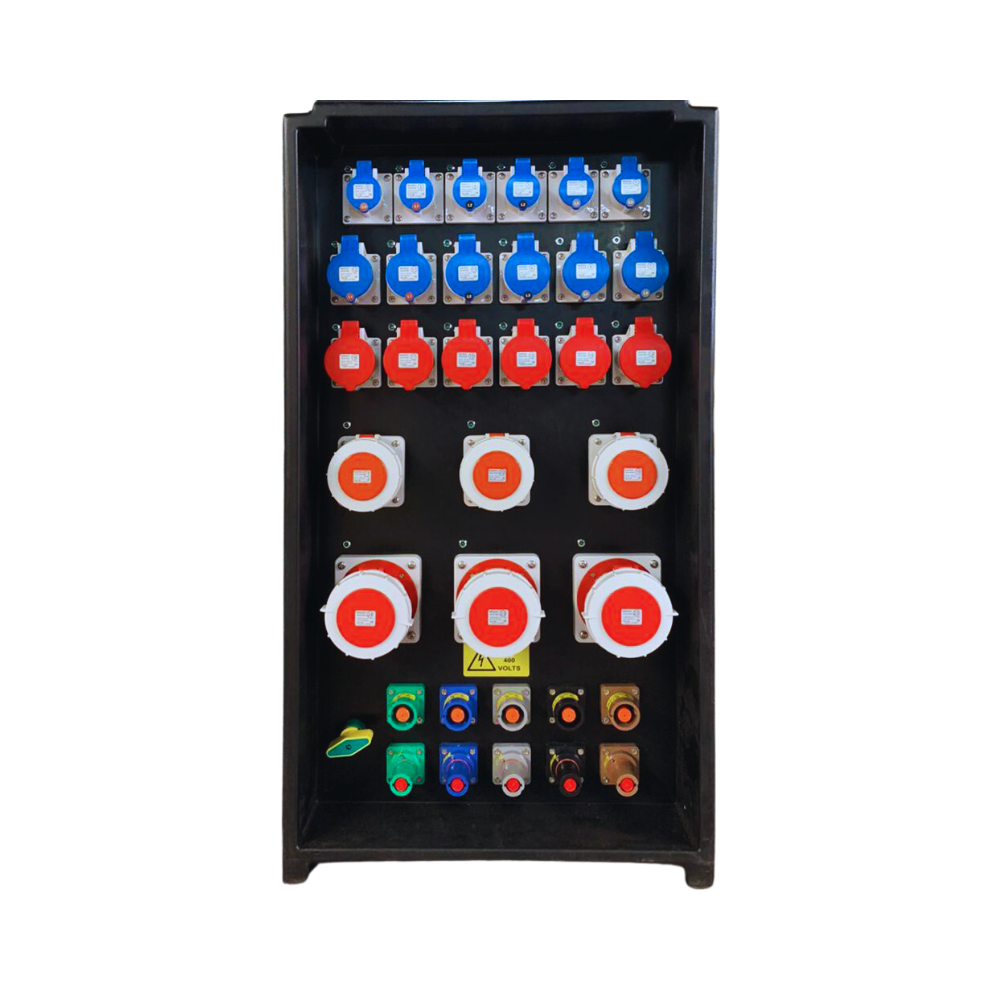
Central Control of Electrical Supply
A distribution board works as the central hub of an electrical system. Instead of sending power randomly across the system, it distributes electricity in a controlled manner. Each circuit is connected through a separate switch or protective device, allowing better management and control of power flow.
Protection Against Overloads
One of the most important functions of a distribution board is protecting the system from overloads. When too many devices draw power from a single circuit, it can become overloaded and cause overheating. Circuit breakers inside the distribution board automatically trip when this happens, cutting off the supply and preventing damage or fire risks.
Short Circuit Prevention
Short circuits are dangerous electrical faults that can cause severe damage to equipment and wiring. Distribution boards are equipped with protective devices that immediately detect abnormal current flow. When a short circuit occurs, the system shuts down the affected circuit instantly, ensuring safety and preventing further damage.
Leakage Current Protection
Modern distribution boards often include RCCBs (Residual Current Circuit Breakers) that detect leakage currents. These currents can occur when electricity escapes from damaged insulation or faulty wiring. RCCBs quickly disconnect the power supply, reducing the risk of electric shock and improving overall safety.
Balanced Load Distribution
Electrical stability depends on balanced load distribution. A distribution board ensures that power is evenly shared across multiple circuits. This prevents one circuit from becoming overloaded while others remain underused. Balanced distribution improves efficiency and reduces stress on the electrical system.
Easier Fault Detection
When an electrical issue occurs, finding the exact problem can be difficult in an unorganized system. Distribution boards simplify this process by dividing circuits clearly. If a fault happens, only the affected circuit trips, making it easy to identify and repair the issue without shutting down the entire system.
Improved System Organization
A distribution board keeps wiring neat and structured. All circuits are connected in an organized manner inside a single enclosure. This reduces wiring confusion, minimizes installation errors, and makes future upgrades or maintenance easier.
Safety for Users and Equipment
By controlling voltage flow and providing protective features, distribution boards ensure safety for both users and electrical equipment. They prevent overheating, reduce fire hazards, and protect sensitive devices from voltage fluctuations.
Energy Efficiency Benefits
Stable electrical distribution also improves energy efficiency. By preventing overloads and ensuring proper load sharing, distribution boards reduce energy wastage and help electrical systems run more smoothly.
Conclusion
Distribution boards are essential for maintaining electrical system stability. They provide controlled power distribution, prevent electrical faults, and ensure safety through protective devices. A well-designed distribution board not only improves system performance but also enhances safety, efficiency, and reliability in residential, commercial, and industrial environments.