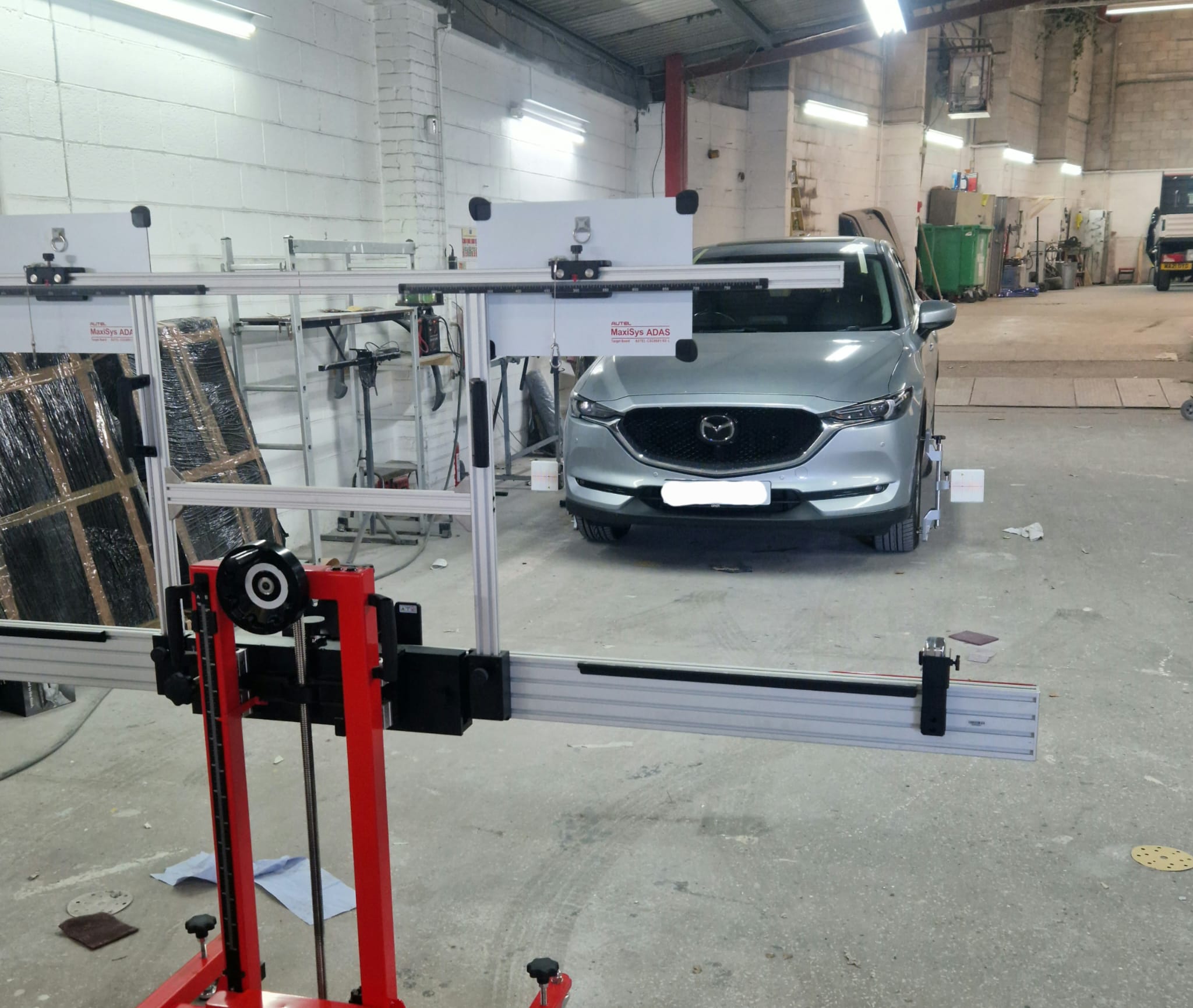
Modern vehicles include several driver assistance features that help reduce common driving mistakes and support safer travel. Lane assist is one of the most useful systems because it helps drivers remain within marked lanes during everyday trips. Proper Lane assist calibration keeps the cameras and sensors aligned so the system can respond accurately. Correct calibration supports reliable performance and helps drivers feel more confident on city streets and highways.
What Is Lane Assist and How Does It Work?
Lane assist uses cameras, sensors, or both to monitor lane markings on the road. The system checks the vehicle’s position and detects whether it is moving toward another lane without the turn signal being used. Once movement is detected, the vehicle provides a warning through sounds, steering wheel vibration, dashboard alerts, or gentle steering correction. These features support the driver without replacing their responsibility to stay alert and maintain full control of the vehicle at all times.
Why Lane Assist Makes Everyday Driving Safer
Daily driving often includes traffic, long commutes, changing weather, and unexpected situations that can reduce driver attention. Lane assist provides an extra layer of support by warning drivers before unplanned lane departures occur. This reduces the chance of side-impact crashes and helps maintain better vehicle positioning. Extra guidance is especially useful during long highway drives, where fatigue can slowly affect concentration even for experienced drivers who usually practice safe driving habits.
Situations Where Lane Assist Provides the Most Value
Several common driving situations allow lane assist to provide noticeable safety benefits. Highway travel, heavy traffic, and unfamiliar roads often require constant attention to lane positioning. The system helps reduce small steering mistakes that could lead to dangerous situations. Drivers also benefit during nighttime travel because visible lane markings help the cameras detect road boundaries. Good weather and clearly marked roads generally allow the technology to perform at its best and deliver dependable assistance.
Why Accurate Calibration Matters
Proper calibration allows the cameras and sensors to correctly identify road markings and vehicle position. Even a small change caused by windshield replacement, suspension work, wheel alignment, or a minor collision can affect system accuracy. Incorrect readings may cause delayed warnings or unnecessary alerts. Professional calibration restores factory settings and verifies that every component communicates correctly. Regular inspections also help identify hidden issues before they affect the safety features built into the vehicle.
Simple Steps to Keep Lane Assist Working Properly
Drivers can help maintain reliable system performance by following a few practical habits. Routine inspections and proper vehicle care reduce the chance of sensor problems and improve overall accuracy. Consider these simple steps:
- Keep the windshield clean and free from cracks.
- Remove dirt, snow, and mud from cameras and sensors.
- Schedule calibration after windshield replacement or collision repairs.
- Follow recommended maintenance intervals from the vehicle manufacturer.
- Pay attention to dashboard warning lights related to driver assistance systems.
- Avoid placing objects that block camera views near the windshield.
Common Limits Drivers Should Understand
Lane assist performs best under suitable road conditions, but every driver should understand its limitations. Poor weather, faded lane markings, heavy rain, snow, construction zones, or blocked cameras may reduce system accuracy. Sharp curves and temporary lane changes can also affect performance. Drivers should always keep both hands ready to steer and remain focused on surrounding traffic. Driver assistance systems support safe driving, but they cannot replace careful judgment or responsible driving habits.
Conclusion
Lane assist has become an important safety feature that helps drivers remain within marked lanes and avoid preventable accidents during everyday travel. Reliable performance depends on accurate sensors, proper maintenance, and regular calibration whenever vehicle repairs affect system alignment. Understanding both the strengths and limits of this technology allows drivers to use it more effectively. Combined with safe driving habits, lane assist provides valuable support that contributes to safer roads for everyone.