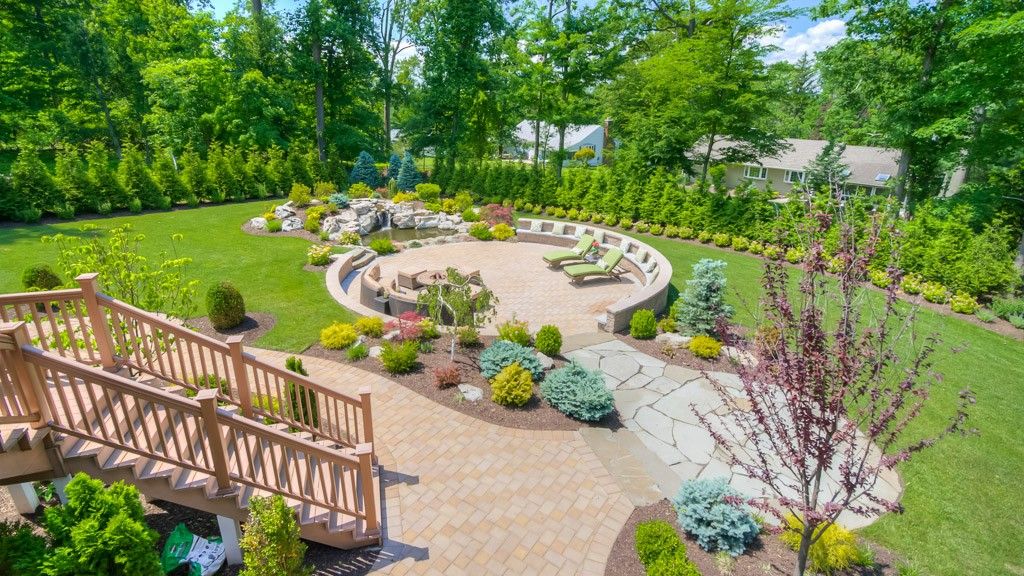
landscape design & installation is the process of planning, creating, and building functional and visually appealing outdoor spaces. It combines creativity, engineering, and horticulture to transform empty or underused areas into organized landscapes that enhance beauty, usability, and property value.
This process is used in residential homes, commercial properties, parks, and public spaces to create environments that are both practical and visually attractive.
What Is Landscape Design & Installation?
Landscape design focuses on planning the layout, structure, and visual elements of an outdoor space, while installation involves physically building and implementing that design.
The landscape design & installation process includes everything from site analysis and plant selection to hardscaping and final finishing.
Key Elements of Landscape Design
A successful landscape design combines multiple components.
Site Analysis
Evaluating soil type, sunlight, drainage, and terrain before planning.
Plant Selection
Choosing trees, shrubs, flowers, and grass suitable for the environment.
Hardscaping
Includes patios, walkways, retaining walls, and stone features.
Softscaping
Living elements such as plants, grass, and garden beds.
Outdoor Structures
Pergolas, decks, fences, and seating areas.
Steps in Landscape Design & Installation
Step 1: Initial Consultation
Understanding client needs, budget, and property requirements.
Step 2: Site Assessment
Inspecting soil quality, slope, drainage, and existing features.
Step 3: Concept Design
Creating sketches or digital layouts of the proposed design.
Step 4: Material Selection
Choosing stones, plants, wood, and other construction materials.
Step 5: Installation Planning
Scheduling and organizing construction phases.
Step 6: Ground Preparation
Clearing, leveling, and preparing the soil.
Step 7: Hardscape Installation
Building structures like pathways, patios, and walls.
Step 8: Planting & Softscaping
Adding trees, shrubs, grass, and flowers.
Step 9: Irrigation Setup
Installing watering systems for efficient maintenance.
Step 10: Final Touches
Lighting, edging, mulch, and decorative elements.
Benefits of Landscape Design & Installation
Improves Property Value
Well-designed landscapes significantly increase resale value.
Enhances Outdoor Living
Creates functional spaces for relaxation and entertainment.
Boosts Aesthetic Appeal
Makes properties more attractive and inviting.
Improves Environmental Quality
Supports cleaner air and better drainage.
Reduces Soil Erosion
Proper design stabilizes soil and prevents erosion.
Hardscape vs Softscape
Hardscape
Non-living elements such as:
- Stone pathways
- Concrete patios
- Retaining walls
- Outdoor structures
Softscape
Living elements such as:
- Grass
- Plants
- Trees
- Flowers
Both work together to create a balanced landscape.
Materials Used in Landscape Installation
Natural Stone
Used for walkways, patios, and decorative features.
Concrete
Durable material for driveways and foundations.
Wood
Used in decks, pergolas, and fencing.
Mulch and Soil
Support plant growth and soil health.
Gravel
Used for drainage and decorative pathways.
Importance of Proper Planning
Good planning ensures:
- Efficient use of space
- Balanced design layout
- Cost control
- Long-term durability
- Easy maintenance
Without planning, landscapes can become disorganized and costly to maintain.
Irrigation in Landscape Installation
Proper irrigation is essential for plant health.
Drip Irrigation
Delivers water directly to plant roots.
Sprinkler Systems
Covers large lawn areas efficiently.
Smart Irrigation
Uses sensors to optimize water usage.
Lighting in Landscape Design
Outdoor lighting enhances both safety and aesthetics.
Path Lighting
Improves visibility and navigation.
Accent Lighting
Highlights trees and architectural features.
Ambient Lighting
Creates mood and atmosphere.
Maintenance After Installation
Regular Watering
Ensures healthy plant growth.
Pruning
Keeps plants shaped and healthy.
Weed Control
Prevents unwanted plant growth.
Seasonal Care
Adjusts landscaping based on weather conditions.
Common Mistakes in Landscape Projects
Poor Drainage Planning
Leads to water accumulation and damage.
Overcrowding Plants
Reduces growth space and aesthetics.
Ignoring Maintenance Needs
Causes long-term deterioration.
Incorrect Plant Selection
Results in poor plant survival rates.
Trends in Landscape Design & Installation
Sustainable Landscaping
Focus on eco-friendly materials and practices.
Minimalist Designs
Clean, simple outdoor layouts.
Smart Outdoor Systems
Automated irrigation and lighting systems.
Native Plant Landscaping
Using local plants for better adaptability.
Why Landscape Design & Installation Matters
A well-executed landscape improves both lifestyle and property value. It creates usable outdoor spaces, enhances natural beauty, and ensures long-term environmental benefits. Proper installation ensures that the design is durable, functional, and easy to maintain.
Final Thoughts
landscape design & installation is a complete process that transforms outdoor areas into functional, attractive, and sustainable environments. By combining thoughtful design with professional installation, it creates long-lasting outdoor spaces that enhance comfort, usability, and property value.