The visual spectacle of a modern Louisiana Carnival is defined by sheer, unadulterated scale. For two weeks out of the year, the skies above historic avenues are filled with a shimmering downpour of throws tossed from towering multi-tiered floats. Spectators return home with heavy bags, and municipal collection crews work through the night to clear the streets before the next dawn procession.
But as environmental consciousness rises among event planners, municipal leaders, and parade participants, a pressing operational question has moved to the forefront of the festival industry: What happens to the massive volume of uncollected festival items after the final tractor parks?
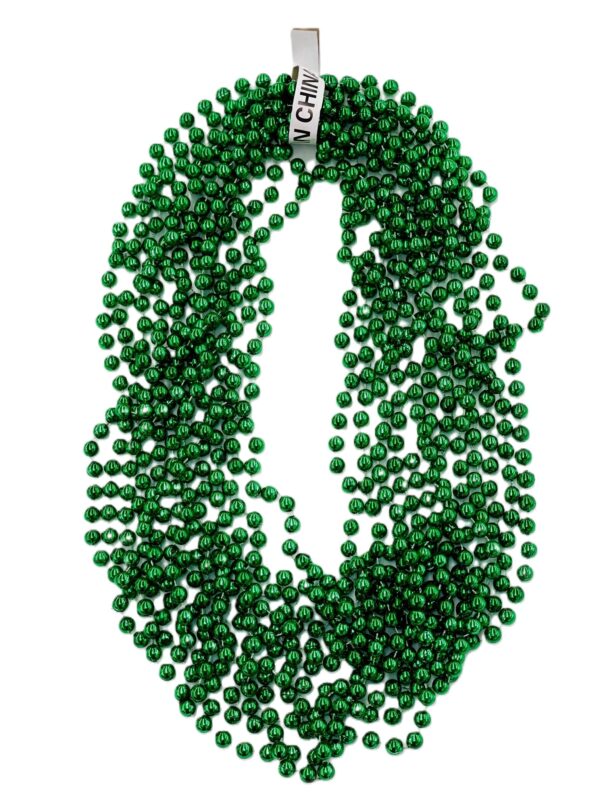
For decades, the lifecycle of a standard carnival throw was a linear path from factory floor to street gutter, eventually ending up in regional landfills or blocking municipal drainage systems. However, a major structural shift is underway across South Louisiana. Local suppliers, civic non-profits, and commercial distributors are completely changing how the region handles mardi gras beads bulk quantities.
By implementing closed-loop upcycling networks, local collection systems, and strict manufacturing audits, the festival industry is transforming potential street waste into a valuable, circular resource that supports the local economy.
1. The Post-Parade Pipeline: Where Uncaught Volumes Go
When a parade concludes, the cleanup effort is an intense race against time. Thousands of pounds of plastic rounds sit on the pavement, mixed in with aluminum cans, paper wrappers, and organic street debris. Managing this material involves a coordinated effort between municipal public works teams and dedicated local non-profit organizations.
Municipal Street Sweepers
Immediately following the final police escort, high-velocity municipal sweepers clear the parade route. Historically, these machines swept everything directly into regional landfills. Today, city management teams work to separate clean, loose items from general street refuse, reducing the environmental footprint of the post-parade cleanup.
Non-Profit Collection Hubs
The most effective defense against festival waste is the work of local civic organizations. Groups like Arc of Greater New Orleans (ArcGNO) deploy massive collection bins along the parade route and across corporate offices. Volunteers manually gather, sort, and organize tons of loose necklaces every single season. This work prevents thousands of pounds of plastic from entering city drainage systems while creating meaningful, stable jobs for citizens with intellectual and developmental disabilities.
2. The Upcycling Process: From Street Litter to Pristine Inventory
Transforming a tangled mass of recovered street items into a clean, shelf-ready product requires a multi-step commercial sorting and sanitation process. This ensures that every upcycled item meets the same quality and hygiene standards as a brand-new factory piece.
Eco-Friendly Disinfecting
Once sorted by color and length, the recovered necklaces undergo a thorough sanitation process. Suppliers use specialized commercial washers running gentle, biodegradable sanitizing solutions. This thoroughly cleans each strand, removing street dust and debris without stripping the vibrant, electroplated purple, green, and gold finishes.
Commercial Repacking
After drying, the sanitized strands are organized into uniform bundles and packed into heavy-duty cardboard boxes. These upcycled cases are then reintroduced to the market at a discounted rate, giving local float krewes and school groups access to affordable, high-quality throws while conserving raw polymer resources.
3. Designing Out Waste: The Shift to Eco-Conscious Specialty Throws
While recycling post-parade waste is a massive step forward, the ultimate goal of sustainable festival management is designing out waste before the floats ever roll. Commercial designers are shifting their product lines away from cheap, single-use throwaways and focusing instead on high-value, functional items that spectators want to keep forever.
- Biodegradable Paper Rounds: Innovative manufacturers are testing compressed paper pulp and organic hemp fibers to create fully biodegradable necklaces. Painted with natural, non-toxic vegetable dyes, these pieces dissolve harmlessly over time if they miss a spectator’s hands and end up in the environment.
- Functional Accessory Throws: Leading suppliers are replacing basic plastic rounds with useful, branded products. Throws like custom-molded sunglasses, decorated fanny packs, canvas tote bags, and insulated drink huggers double as active parade gear and long-lasting everyday items, staying out of landfills entirely.
- Custom Polyresin Medallions: High-value medallions made from durable polyresin are designed as collectible keepsakes rather than temporary party favors. Stamped with intricate krewe insignia or specific calendar years, these pieces end up displayed on home mantels or framed as local art pieces.
4. Support the Circular Economy by Sourcing Locally
Embracing sustainable festival traditions is all about making smart, informed choices before the parade season begins. By purchasing your parade supplies through responsible regional networks and supporting local upcycling efforts, you help protect Louisiana’s beautiful ecosystems while keeping the historic spirit of Carnival alive and well.
For float captains, corporate event planners, and school coordinators ready to stock up on high-quality mardi gras beads bulk packages while supporting local green initiatives, partnering with Nola Throws is an exceptional strategy. As a premier regional supply house, they are dedicated to improving the sustainability of Carnival by providing top-tier tumble-polished rounds, durable keepsake medallions, and eco-friendly accessories built to last.
Organizations can easily explore their massive online catalog and arrange for seamless, freight-free collection at their dedicated New Orleans East online pickup location (conveniently located inside the Furniture Mart at 9921 I-10 Service Road at the Read Exit). If your planning committee prefers to inspect item weights, explore upcycled inventory options, and view color palettes in person, visit their year-round showroom on Belle Chasse Highway in Gretna or check out their seasonal hub on West Park Avenue in Houma. Connect with a local expert early in the season to secure the best volume discounts and build a cleaner, greener festival tradition this year.