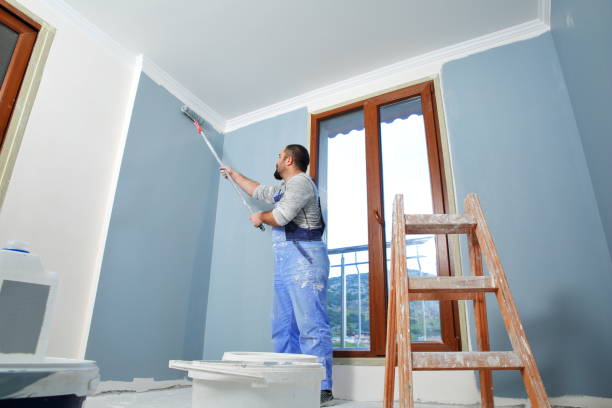
The physical strength and defensive capacity of a residential building envelope depend heavily on the continuous integrity of its outer surface coatings. Over-extended seasonal cycles, constant exposure to shifting environmental variables stresses and breakdown basic paint materials, threaten the stability of real estate assets. Property owners must remain proactive regarding the physical state of their surface finishes to prevent extensive rainwater from reaching deep underlying framing. Securing the technical skills of a dedicated painter in North Plains, OR, serves as the most effective maintenance choice to prevent widespread substrate rot and structural weakening. I Know A Guy, Handyman Services LLC delivers specialized project coordination, versatile material integration, and precise application oversight to ensure local structural boundaries remain dry and perfectly insulated. Making informed, deliberate choices during early property inspection phases preserves long-term home values and guarantees that regional structures survive changing seasonal conditions without sacrificing beauty or structural safety.
Key Takeaways
- High-performance protective coatings act as a durable shield against hidden substrate rot.
- Detailed chemical surface preparation prevents premature blistering and paint film failures.
- Advanced elastic caulking compounds seal vulnerable structural joints from extreme moisture.
- Routine maintenance coatings preserve the structural integrity of historical wood trim panels.
- Partnering with registered local painters guarantees complete compliance with municipal guidelines.
Understanding the True Value of Professional Architectural Coatings
An advanced structural finish does far more than just improve the visual design of a modern home or commercial asset. It functions as an engineered system designed to divert intense rainwater, withstand impact from debris, and seal out heavy environmental moisture. Traditional structural systems often weaken after years of continuous expansion and contraction, whereas flexible resin components maintain their physical bond perfectly.
Opting for professional oversight ensures that coating configurations meet strict building preservation standards from the start. Experienced specialists evaluate how surface applications impact moisture vapor transmission, substrate breathing, and material adhesion. This disciplined approach eliminates premature coating failure, preserves the physical integrity of the substrate, and creates a seamless transition between old and new design elements.
Common Core Obstacles Property Owners Face in Washington County
Homeowners across the region frequently navigate distinct structural obstacles when updating older properties. Many traditional building exteriors feature wood siding panels that absorb ambient moisture if left unsealed, leading to early rot. These damp environments often encourage local organic growth, which physically breaks down old oil-based paint layers.
Furthermore, older residential frameworks often contain hidden material complications, such as deeply weathered wood substrates or deteriorated caulking joints behind old finishes. Discovering these legacy problems mid-project can completely stall a coating timeline if the project manager lacks appropriate field experience. Managing these unexpected discoveries requires localized trade expertise and adaptive planning to keep the building envelope safe and compliant.
Early Warning Signs That a Surface Finish Requires Immediate Attention
Recognizing the subtle physical indicators of finish degradation allows property owners to schedule repair work before severe damage spreads. Inside a home, discovering peeling paint near window profiles, localized drywall discoloration, or fine hairline cracks along plaster junctions indicates structural shifting or moisture penetration. Persistent draft spots, cold wall planes, or sudden spikes in winter heating costs often point to compromised exterior sealants.
On the exterior and perimeter zones, a closer look at key structural intersections can reveal several red flags:
- Chalky residue on siding surfaces confirms active binder breakdown due to intense ultraviolet radiation.
- Hairline fractures in stucco or concrete masonry units invite wind-driven rain into the wall cavity.
- Separating caulk lines along window perimeters creates open pathways for severe moisture infiltration.
- Blistering paint pockets indicate trapped moisture attempting to escape from the underlying wood substrate.
Securing help from an experienced exterior home painting company in North Plains, OR, becomes necessary when a closer look at the building facade reveals deep material failure. Siding boards that show signs of severe weathering or wood splitting indicate that liquid water has penetrated the outdated paint membrane and expanded during freezing winter temperatures. When outer coatings lose their elasticity, they become highly brittle, meaning even a minor impact can cause large flakes to release from the home envelope.
How Local Environmental Patterns Dictate Material Requirements
The distinct Pacific Northwest climate places persistent stress on the thermal boundaries and outer coatings of local homes. Extended periods of seasonal rainfall and dense morning fog create elevated humidity levels that test the moisture resistance of wall assemblies. Consulting with certified residential interior painters in North Plains, OR, allows property owners to update interior spaces with moisture-resistant finishes and advanced primers that stop hidden mold growth.
Summer introduces warmer temperature spikes that can overheat upper-floor living spaces and bake exterior wall surfaces. Installing modern, solar-reflective coatings, elastic caulking complexes, and premium acrylic formulas shields exterior siding from intense solar heat. These combined upgrades keep households looking pristine throughout seasonal shifts while reducing the risk of wood warping or substrate splitting.
Technical Elements Evaluated by Experts During Field Inspections
A thorough property inspection involves a systematic, surface-by-surface analysis of a structure’s current condition before drafting any coating specifications. Technicians verify the structural capacity of underlying substrates, test the moisture content of raw wood panels, and evaluate the adhesion of existing paint layers. They pay close attention to high-moisture zones, ensuring that local rain-shedding pathways drain completely without pooling against finished elements.
The assessment also evaluates coating compatibility and compliance with modern safety mandates. Inspectors measure substrate alkalinity, check for historical lead-based paint layers on older homes, and verify that proper mechanical ventilation exists in high-humidity rooms. Mapping out these chemical and physical boundaries before application prevents unexpected paint failures later in the project.
Longevity and Efficiency Perks of Timely Maintenance Coatings
Taking an active, planned approach to property maintenance offers significant financial and practical advantages for property owners. Upgrading aging coatings and reinforcing worn sealant components before a complete structural breakdown occurs avoids expensive emergency remediation bills. This timely investment preserves the resale value of the home and protects interior belongings from water or structural damage.
Additionally, modern material selections greatly enhance a property’s overall environmental safety. Installing zero-volatile organic compound coatings, washable ceramic-infused paints, and low-odor enamels cuts down on chemical off-gassing inside living spaces. These healthy material choices improve indoor air quality while extending the structural lifespan of major home architectural elements.
Available Specialized Finish Solutions for Property Owners
Modern building science provides a wide array of high-performance products designed to accommodate diverse design preferences. Elastomeric wall coatings utilize advanced polymer resins to bridge active hairline cracks safely, creating a flexible, waterproof barrier over exterior masonry. These expansive systems allow wall structures to move naturally during temperature shifts without tearing the protective film.
For high-use areas like kitchens, bathrooms, and commercial corridors, modern scuff-resistant epoxies, water-borne urethane enamels, and custom anti-microbial coatings offer exceptional impact and moisture resistance. These dense formulas do not absorb staining liquids or trap allergens, providing a clean, low-maintenance environment that retains its premium appearance over decades of heavy use.
Best Structural Practices to Secure Extended Coating Performance
Preserving the structural strength of a newly coated surface requires consistent, simple care throughout the changing seasons. Property owners should clean dirt accumulation off exterior siding panels regularly to ensure optimal breathability of the paint membrane. Clear drainage pathways pull heavy rainwater away from painted trim profiles quickly, preventing wood decay along lower baseboards.
Its performance is also preserved by monitoring the condition of the surrounding landscape perimeters as a vital preventive step. Trimming overhanging tree limbs back from the structure stops branches from scratching against painted siding during high winds. Furthermore, keeping foliage clear of wall profiles removes trapped shade pockets, reducing the risk of mold or mildew forming on the finished coating.
The Value of Routine Property Maintenance and Timely Repairs
Regular upkeep plays a vital role in preserving the safety, efficiency, and overall condition of residential properties. Addressing minor concerns such as loose fixtures, damaged trim, malfunctioning doors, or deteriorating surfaces before they worsen can help homeowners avoid extensive repair expenses in the future. Professional Handyman Services provide comprehensive support for a wide range of maintenance tasks, ensuring that homes remain functional, visually appealing, and structurally sound. Through preventative care and prompt attention to emerging issues, property owners can extend the lifespan of household components while protecting the long-term value of their investment.
Essential Questions to Propose Before Signing a Workplace Agreement
Before signing a final property enhancement agreement, property owners should ask specific questions to confirm their contractor’s qualifications:
- Can you provide verified proof of active Oregon CCB registration and current liability insurance?
- Will your team perform extensive pressure washing, scraping, and sanding before applying new paint?
- What specific measures do your technicians take to shield windows, roofs, and landscaping from overspray?
- How do you manage high substrate moisture levels or hidden wood rot discovered during the scraping phase?
- What written warranties cover the completed work against blistering, cracking, or early peeling?
Getting clear answers to these questions removes uncertainty, sets clear project milestones, and ensures the installation is handled by an organized, highly professional team.
Proactive Management Tips to Safeguard Real Estate Investments
Keeping a detailed home maintenance log is an excellent strategy for long-term real estate asset management. Saving copies of all signed contracts, material specification sheets, and paint color formulas makes future touch-up work much simpler. This comprehensive documentation also serves as a strong selling point, proving to future buyers that the structure was built and maintained to premium standards.
Property owners should also monitor their interior relative humidity levels during extreme seasonal weather shifts. Utilizing localized dehumidifiers or adjusting whole-home air exchange systems helps stabilize indoor air, preventing interior wood trim panels from swelling or contracting excessively. Staying proactive ensures that advanced architectural coatings continue to deliver peak performance for decades to come.
Conclusion
Upgrading a building’s outer coating is a vital investment that protects the safety, comfort, and value of a property for decades. Ignoring widespread material degradation, broken caulking, or chalking surfaces can lead to hidden structural rot, mold growth, and expensive emergency repairs. Partnering with skilled professionals ensures that your project benefits from advanced substrate preparation, durable materials, and full regulatFory compliance. Taking a proactive approach to surface management protects your home from seasonal humidity shifts, drafts, and mechanical inefficiencies. By prioritizing a complete system upgrade, property owners secure a reliable, energy-efficient environment featuring superior weatherproof sealant application that protects their home and family for the long term.
Contact Trusted Professionals
When you are ready to enhance your home or commercial building with durable, modern exterior or interior upgrades, working with experienced regional professionals is essential. I Know A Guy, Handyman Services LLC specializes in delivering comprehensive coating transformations designed to match the distinct needs of your household. Our team conducts detailed site evaluations and coordinates every phase of development to ensure your structural goals are met safely, efficiently, and on schedule. Do not risk your significant capital investment on unverified labor or substandard building practices. Reach out to our team today to schedule your comprehensive consultation and begin planning with a certified painter in North Plains, OR, who puts structural durability and client satisfaction first.
Frequently Asked Questions
How long does a standard residential exterior coating project typically take from preparation to final cleanup?
A standard exterior project generally takes between three to five business days, depending on the size of the home and the amount of preparation required. Timelines can extend if hidden wood rot must be repaired or if high humidity delays material drying times.
What are the main protection benefits of applying premium acrylic paint to old wood siding?
Premium acrylic coatings provide a flexible, breathable barrier that seals out wind-driven rain while allowing interior moisture vapor to escape safely. This elasticity allows the paint film to expand and contract during temperature changes without cracking or peeling.
How can a homeowner determine if an exterior trim section requires full replacement or just new caulk?
Full replacement is required if the wood trim feels soft, spongy, or crumbles when pressed with a tool, indicating active rot. If the wood remains completely solid but shows open gaps along the junctions, a high-performance elastomeric caulk can safely seal the seam.
Does modern zero-VOC interior paint deliver the same durability as older oil-based formulas?
Yes, modern high-tier waterborne acrylics offer exceptional scrub resistance, color retention, and durability matching or exceeding legacy oil options. They cure quickly into a washable shell without releasing harsh chemical fumes into the living spaces.
How do seasonal temperature variations affect the application window for outdoor architectural coatings?
Exterior coatings require ambient and surface temperatures to remain between fifty and ninety degrees Fahrenheit during application and curing. Dropping below these limits prevents the latex molecules from fusing properly, which can lead to early film failure and washing.