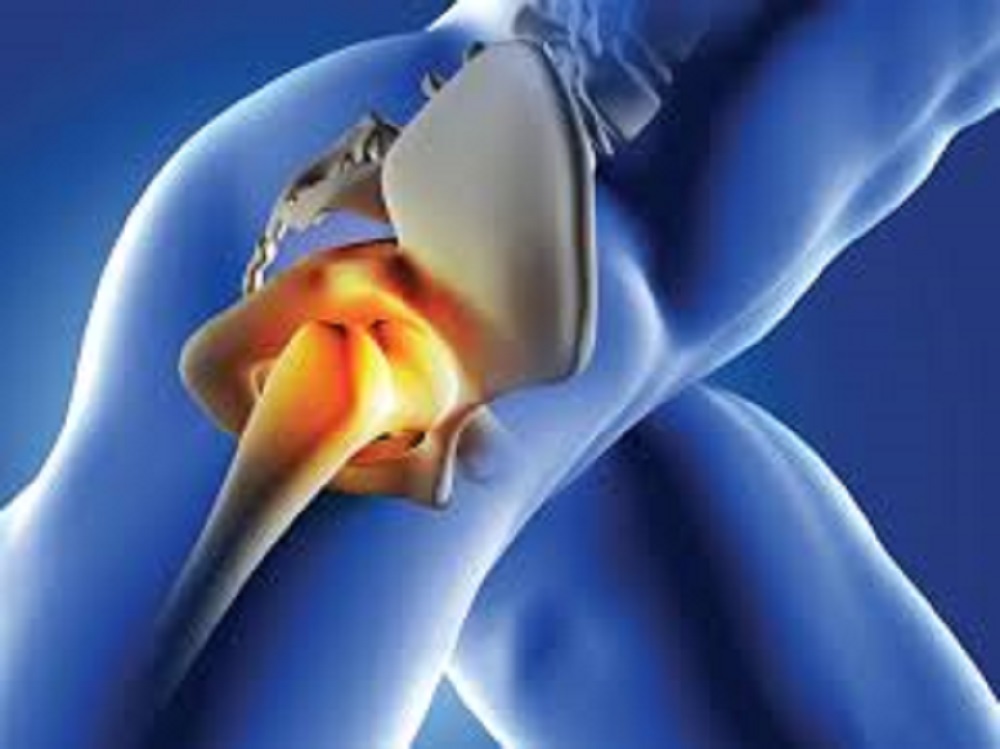
Severe hip arthritis dictates your daily life, turning simple movements into agonizing tasks. When degenerative joint pain steals your mobility, stepping into a surgical consultation often feels overwhelming. You need an exact clinical roadmap, not just a casual conversation.
Selecting the right primary hip replacement surgeon determines your immediate recovery timeline and the decades of active mobility that follow. An informed patient achieves vastly superior outcomes by demanding structural clarity on procedural mechanics, implant choices, and post-operative protocols.
The consultation room is your dedicated space to ask rigorous, highly specific questions. Leaving the office with vague assurances is not an option. You must actively investigate the clinical reality of your upcoming procedure. Use this targeted playbook to guide your medical discussion, evaluate your physician’s expertise, and secure the highest standard of surgical care.
Getting the Right Diagnosis and Exploring Other Options
Before you book a surgery date, make sure you really need a hip replacement. A great doctor will always view surgery as a last resort. Here are some questions to help you understand exactly what’s going on with your hip:
“Have we tried every non-surgical option?” Make sure you’ve explored all other avenues first. Talk with your doctor about how things like steroid injections, physical therapy exercises, and simple lifestyle changes might help before you commit to surgery.
“Can you show me the exact damage on my MRI or X-ray?” Ask your doctor to actually show you the imaging and explain it in plain English. Knowing whether your pain is from everyday wear-and-tear or a lack of blood flow to the bone will help you understand why surgery is needed and how soon you should have it.
“Is there anything unique about my body that could make the surgery tricky?” It’s good to know if you have weak bone density, differences in leg length, or spinal issues that your surgeon needs to plan for. Spotting these unique details early helps prevent surprises in the operating room.
Understanding the Surgery and Technology
How the surgery is actually performed plays a huge role in how fast you’ll recover. Different surgeons use different techniques, so when choosing an orthopedic surgeon in Delhi, it’s totally fine to ask about their specific methods and the technology they rely on.
“Which surgical approach will you use, and why?” Ask whether they plan to go in from the front (anterior) or the back (posterior). The anterior approach often means a faster initial recovery because it avoids cutting major muscles, but the posterior approach is sometimes better if your hip needs more complex work.
“Do you use robotic or computer-assisted technology?” Precision is key to a joint that lasts. Ask if they use 3D mapping or robotic tools, which can help ensure the new hip is perfectly aligned with your unique shape.
“How do you handle unexpected complications during surgery?” It’s reassuring to know your surgeon has a solid backup plan just in case they encounter unexpected bone weakness or other issues once the surgery begins.
Choosing the Right Implant Materials
It’s smart to know exactly what kind of hardware is going into your body. Today’s artificial hips are incredibly advanced, and the materials used will play a big part in how long your new joint lasts.
“What materials are the implants made of?” Most modern implants use combinations like ceramic and high-grade plastic, which glide smoothly and wear down much slower than older metal designs. Your age, weight, and how active you are will help determine the best fit for you.
“How will the new joint be attached to my bone?” There are usually two ways to do this: using a special coating that allows your natural bone to grow into the implant over time, or using a medical bone cement. Cement is typically used if you are older or have softer bones.
“What is the track record for this specific implant?” You want peace of mind. Make sure the specific artificial joint they are recommending has a strong history of lasting 20 to 25 years without any major issues or recalls.
Demystifying Pain Management and Rehabilitation Timelines
Post-operative pain management and the subsequent physical therapy dictate your return to normal life. Advanced joint replacement focuses on rapid mobilization and suppressing pain signals before they spike. You must demand an aggressive, modern recovery protocol from your surgical team.
- “What multi-modal anesthesia protocols do you use?”
Clarify the use of spinal anesthesia combined with peripheral nerve blocks and localized joint injections. This layered approach drastically reduces the reliance on heavy, nausea-inducing systemic opioids. - “When will I take my first steps?”
Modern surgical protocols mandate that patients begin walking within 12 to 24 hours post-surgery. Early weight-bearing prevents deep vein thrombosis (blood clots) and stimulates vital muscle memory. - “What does the immediate physical therapy protocol look like?”
Ask for exact timelines regarding inpatient physical therapy versus at-home rehabilitation exercises. You need a clear understanding of when you will transition off walkers or canes entirely.
Evaluating Surgeon Volume and Clinical Success
The single most predictive variable for a highly successful outcome is the operating physician’s personal procedural frequency. High-volume specialists encounter and successfully manage complex anatomical variations on a daily basis. Do not hesitate to ask for raw data regarding infection rates, surgical readmissions, and long-term patient satisfaction scores.
You need the best orthopaedic surgeon in Delhi to execute a flawless procedure, backed by a highly coordinated clinical support team. A true specialist provides transparent data, customized operative planning, and intensely monitored recovery tracks. Dr. Shekhar Srivastav sets the clinical benchmark for high-volume excellence and precision joint reconstruction. By executing advanced, minimally invasive techniques, his practice dramatically minimizes operative trauma and accelerates patient mobility.
Reviewing the clinical resources at www.kneereplacementdelhi.com allows you to understand the exact pathways designed for complex joint restorations. Entrusting your mobility to a highly specialized surgical team ensures your anatomy receives the most advanced structural correction available today. Demand absolute clinical excellence, ask the hard questions, and secure a surgeon who operates with complete transparency.