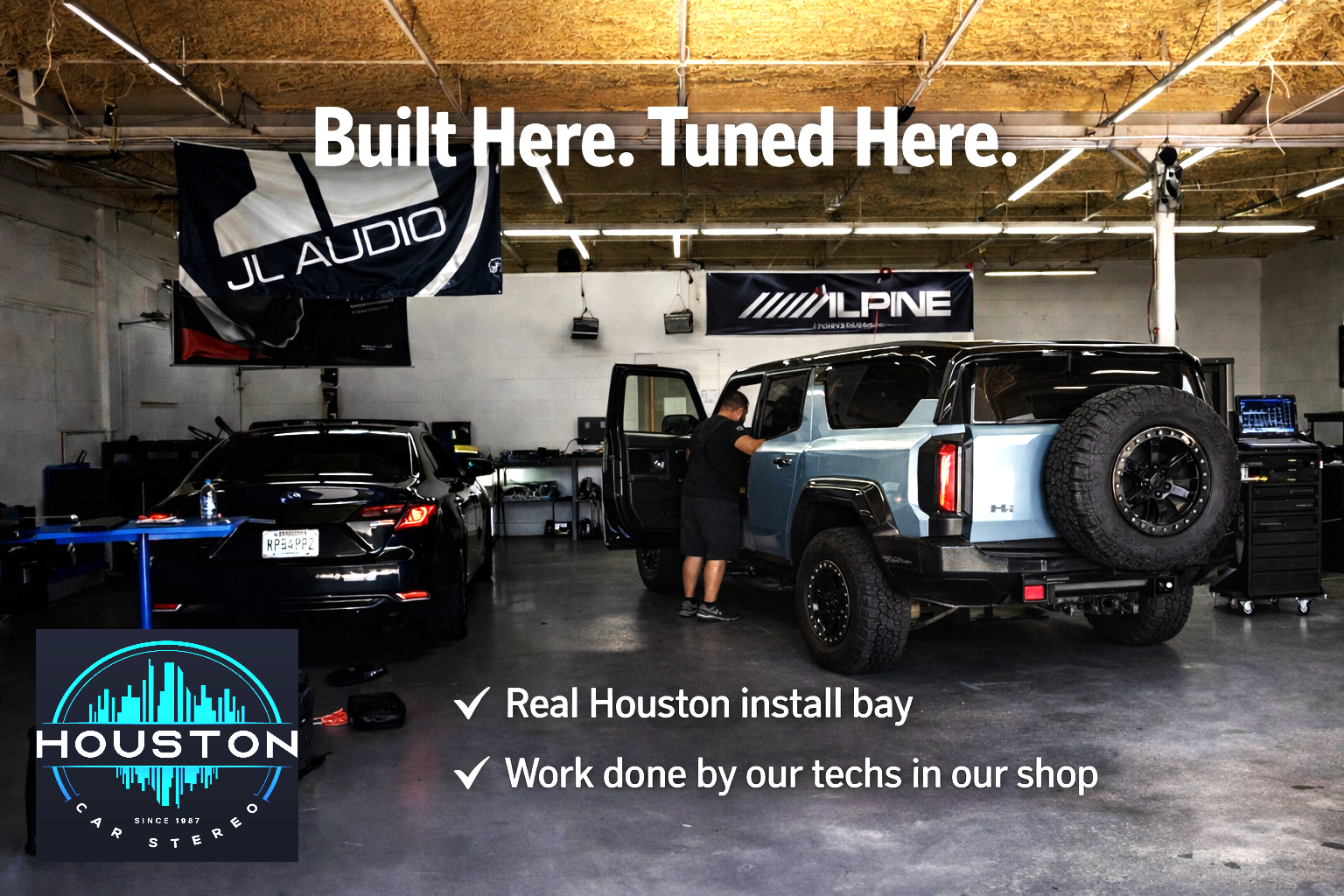
Upgrading your vehicle’s sound system is an investment in your driving experience. Whether you’re installing a new car stereo, premium speakers, an amplifier, a subwoofer, or a complete custom audio system, the quality of the installation is just as important as the equipment you choose.
A professional installer can ensure your system performs at its best while protecting your vehicle’s electrical system and interior. On the other hand, an inexperienced installer can leave you with poor sound quality, electrical issues, loose wiring, or even damage to your vehicle.
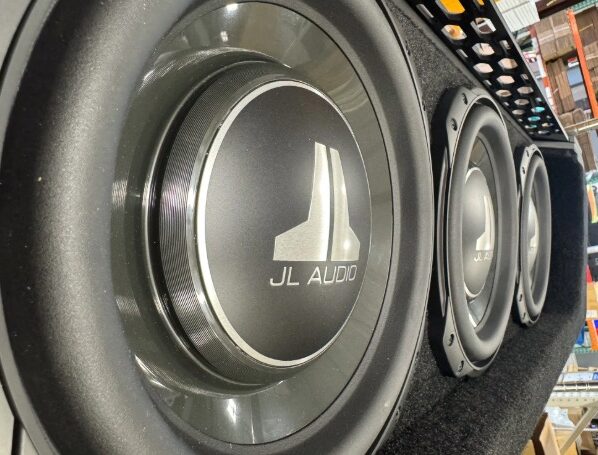
Before choosing a car audio installer, it’s worth asking a few important questions. The answers can help you find a qualified professional who will deliver reliable workmanship and long-lasting results.
1. How Long Have You Been Installing Car Audio Systems?
Experience is one of the first things to consider.
Modern vehicles have complex electrical systems that require specialized knowledge. Factory amplifiers, steering wheel controls, backup cameras, parking sensors, and digital infotainment systems all need to be integrated correctly when installing aftermarket equipment.
An experienced installer has likely worked on a wide range of vehicles and understands how to avoid common installation problems.
Don’t hesitate to ask:
- How many years have you been in business?
- How many installations do you complete each month?
- What types of vehicles do you work on most often?
Experience often translates into cleaner installations and fewer issues down the road.
2. Have You Worked on My Vehicle Make and Model?
Every vehicle is different.
Some installations are straightforward, while others require specialized adapters, custom fabrication, or advanced programming.
An installer who has previously worked on your vehicle make and model is more likely to know:
- Factory wiring layouts
- Dashboard removal procedures
- Audio integration requirements
- Compatibility with factory electronics
- Available upgrade options
This experience can save time and reduce the risk of installation mistakes.
3. Will My Factory Features Continue to Work?
Many modern vehicles include features that owners don’t want to lose after upgrading their stereo system.
Ask whether the installation will retain:
- Steering wheel audio controls
- Backup camera
- Factory amplifier
- USB ports
- Bluetooth functionality
- Vehicle settings
- Parking sensors
- Climate control integration
- Factory microphones
A professional installer should explain which factory features can be retained and whether additional interface modules are required.
4. Which Brands Do You Recommend?
A knowledgeable installer should recommend products based on your goals—not simply the highest-priced equipment.
Explain how you use your vehicle and what you’re hoping to achieve.
For example:
- Better sound quality
- Stronger bass
- Wireless Apple CarPlay
- Android Auto
- Hands-free calling
- Improved Bluetooth connectivity
- Custom audio competition system
A reputable installer should explain the pros and cons of different products and help you choose components that fit both your needs and your budget.
5. Will You Design a System for My Budget?
Every customer has different expectations.
Some people want a simple radio replacement, while others want a fully customized sound system.
Rather than pushing a standard package, a professional installer should ask about:
- Budget
- Music preferences
- Daily driving habits
- Future upgrades
- Desired sound characteristics
The best systems are designed around the customer rather than the equipment.
6. What Is Included in the Installation Price?
Before agreeing to any work, request a detailed estimate.
Ask whether the quote includes:
- Labor
- Wiring
- Installation kits
- Dash adapters
- Vehicle-specific interfaces
- Mounting hardware
- Programming
- Audio tuning
- Testing
A clear estimate helps avoid unexpected costs later.
7. Do You Use Quality Installation Materials?
Even expensive audio equipment can perform poorly if low-quality installation materials are used.
Ask about:
- Wiring quality
- Connectors
- Fuse protection
- Sound deadening materials
- Amplifier mounting
- Cable routing
Professional installers use high-quality components that improve both performance and long-term reliability.
8. Will the System Be Tuned After Installation?
Proper tuning is one of the biggest differences between an average installation and a great one.
Professional tuning may include:
- Amplifier gain adjustment
- Crossover settings
- Equalizer tuning
- Digital Signal Processor (DSP) configuration
- Time alignment
- Speaker balancing
Without tuning, even premium speakers and amplifiers may not deliver their full potential.
Ask whether tuning is included in the installation price or offered as a separate service.
9. Can I See Examples of Your Previous Work?
Most reputable installers are proud of their work.
Ask if they have:
- Photo galleries
- Social media portfolios
- Customer testimonials
- Before-and-after photos
- Videos of completed installations
Reviewing previous projects gives you a better idea of the installer’s craftsmanship and attention to detail.
Look for clean wiring, factory-style finishes, and professional-looking custom work.
10. Do You Offer a Warranty?
A quality installer should stand behind both their products and workmanship.
Ask about:
- Labor warranty
- Manufacturer warranties
- Warranty claim process
- Coverage period
- Post-installation adjustments
Knowing support is available after the installation provides added peace of mind.
11. How Long Will the Installation Take?
Installation time depends on the complexity of the project.
Simple upgrades may take only a few hours, while custom audio systems can require several days.
Ask for an estimated timeline so you can plan accordingly.
Reliable installers generally provide realistic completion dates rather than making promises they cannot keep.
12. Will My Vehicle Be Protected During Installation?
Your installer will spend hours working inside your vehicle.
Ask how they protect:
- Seats
- Dashboard
- Steering wheel
- Door panels
- Carpets
- Paint
Professional shops typically use seat covers, floor mats, and protective coverings to help prevent scratches, dirt, or damage during the installation process.
13. Can the System Be Upgraded Later?
Many vehicle owners begin with a basic audio upgrade and expand their systems over time.
Ask whether the installation allows for future additions such as:
- Amplifiers
- Subwoofers
- Better speakers
- DSP upgrades
- Additional cameras
- Remote start systems
- Security systems
Planning ahead can save both time and money when you’re ready for your next upgrade.
14. Are You Licensed and Insured?
Although licensing requirements vary by location, professional installers should carry appropriate business insurance.
Insurance helps protect both the customer and the business if accidental damage occurs during installation.
Don’t be afraid to ask about their credentials and policies.
Red Flags to Watch For
While searching for a car audio installer, be cautious if you notice any of the following:
- Prices that seem unusually low
- No written estimates
- Poor communication
- Limited product knowledge
- Negative customer reviews
- Unorganized work areas
- Pressure to buy expensive equipment
- No warranty on labor
- Reluctance to answer questions
A trustworthy installer should be transparent, patient, and willing to explain the installation process.
Why Choosing the Right Installer Matters
Your car audio system is only as good as the installation behind it.
Professional installation helps ensure:
- Better sound quality
- Safe electrical connections
- Reliable system performance
- Clean factory-style appearance
- Protection of your vehicle’s electronics
- Long-lasting durability
Investing in an experienced installer often saves money by reducing the risk of future repairs or reinstallation.
Final Thoughts
Hiring the right car audio installer is one of the most important decisions you’ll make when upgrading your vehicle. By asking the right questions before any work begins, you can better understand an installer’s experience, workmanship, and commitment to customer satisfaction.
Take the time to compare shops, review previous projects, and discuss your goals in detail. A reputable installer will be happy to answer your questions, explain your options, and recommend a solution that fits your vehicle, your budget, and your listening preferences.
Whether you’re installing a new head unit, premium speakers, a powerful amplifier, or a fully customized sound system, choosing a skilled professional will help ensure you enjoy outstanding performance for years to come.