
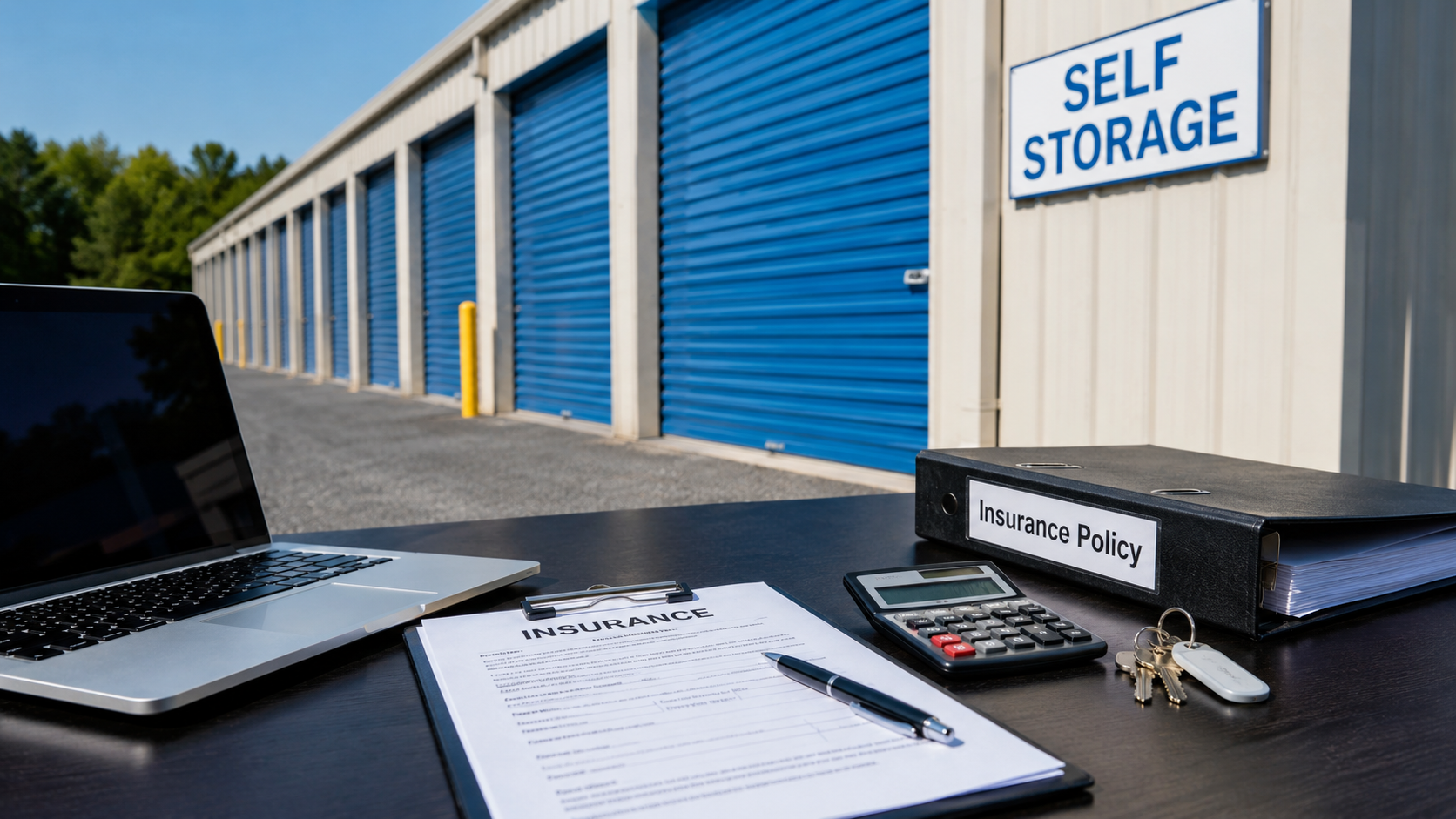
When people rent a self-storage unit, they often assume their belongings are automatically protected against theft, fire, water damage, or other unexpected events. Unfortunately, that is not always the case. This is where storage unit rental insurance becomes an important safeguard for anyone storing valuable possessions.
Whether you are moving to a new home, downsizing, renovating your property, or simply looking for extra space, storing items in a self-storage facility comes with risks. While modern storage facilities provide security measures such as gated access, surveillance cameras, and secure locks, these precautions cannot completely eliminate the possibility of loss or damage.
Investing in storage unit rental insurance provides financial protection and peace of mind by covering your belongings against covered events such as burglary, fire, vandalism, and certain types of water damage. Many specialized storage insurance providers offer flexible coverage options specifically designed for self-storage tenants.
What Is Storage Unit Rental Insurance?
Storage unit rental insurance is a specialized policy designed to protect personal belongings stored inside a self-storage facility. Unlike standard facility security measures, insurance focuses on reimbursing you for covered losses if something unexpected happens to your stored items.
Many people mistakenly believe that the storage facility is responsible for replacing damaged or stolen belongings. However, most storage facilities clearly state in their rental agreements that they are not liable for tenants’ personal property. This makes insurance an important consideration for anyone storing valuable items.
Storage insurance typically protects against:
- Theft and burglary
- Fire and smoke damage
- Vandalism
- Lightning strikes
- Windstorms and hail
- Water damage from certain causes
- Building collapse
- Explosion-related damage
Coverage varies by provider, so reviewing policy details before purchasing is essential.
Why Storage Insurance Is Important
Many individuals use storage units to house items worth thousands of dollars. Furniture, electronics, appliances, collectibles, business inventory, and family heirlooms can quickly add up in value.
Without proper coverage, replacing these belongings out of pocket could become a significant financial burden.
Protection Against Theft
Even facilities with advanced security systems can experience break-ins. If burglars gain access to your unit, storage unit rental insurance may help reimburse the value of stolen belongings according to policy limits and terms.
Coverage for Fire and Smoke Damage
Fire can spread rapidly through storage facilities, potentially affecting multiple units. Insurance coverage can help recover losses resulting from fire, smoke, or related damage.
Financial Peace of Mind
Knowing your belongings are protected allows you to focus on your move, business operations, or life changes without worrying about potential losses.
Protection During Long-Term Storage
The longer items remain in storage, the greater the possibility of unforeseen incidents. Insurance provides ongoing protection throughout the rental period.
Does Homeowners or Renters Insurance Cover Storage Units?
One of the most common questions storage renters ask is whether their existing homeowners or renters insurance policy covers items kept in storage.
The answer depends on the policy.
Some homeowners and renters insurance policies offer off-premises coverage for belongings stored in a self-storage unit. However, coverage limits are often restricted and may only represent a percentage of your personal property protection. Deductibles and exclusions may also apply.
Before relying on an existing policy, consider the following:
- Verify storage unit coverage limits.
- Understand deductible requirements.
- Review exclusions carefully.
- Confirm whether valuable items require additional protection.
Many storage renters discover that dedicated self-storage insurance offers broader and more convenient protection for stored belongings.
Common Risks Facing Stored Belongings
Many people underestimate the potential hazards that can affect their possessions in storage.
Water Damage
Leaks, plumbing failures, storms, and roof damage can result in water intrusion that damages furniture, electronics, documents, and other valuables.
Pest Infestations
Rodents and insects can destroy clothing, furniture, books, and stored household goods. Some storage insurance plans include limited coverage for pest-related damage.
Mold and Mildew
Humidity and moisture can create conditions that lead to mold growth, especially in non-climate-controlled units. Certain insurance policies may include protection for mold-related losses.
Natural Disasters
Storms, hail, lightning, and severe weather can impact storage facilities and damage stored property. Insurance coverage helps reduce the financial impact of these events.
How Much Coverage Do You Need?
Selecting the right coverage amount starts with determining the total value of your stored belongings.
Create a detailed inventory that includes:
- Furniture
- Electronics
- Appliances
- Collectibles
- Antiques
- Business equipment
- Seasonal items
- Sporting goods
Estimate replacement costs rather than original purchase prices whenever possible.
Many storage insurance providers offer multiple coverage tiers, allowing customers to choose protection that matches the value of their stored contents. Coverage options often range from a few thousand dollars to $10,000 or more.
What to Look for in a Storage Insurance Policy
Not all policies provide the same level of protection. Before purchasing storage unit rental insurance, evaluate several important factors.
Coverage Limits
Ensure the policy provides sufficient protection for the total value of your stored belongings.
Covered Perils
Review which events are covered and identify any exclusions.
Deductibles
Understand how much you must pay before insurance benefits apply.
Claims Process
Choose providers with straightforward and efficient claims procedures.
Flexibility
Look for policies that allow adjustments as your storage needs change.
Customer Support
Reliable customer service can make a significant difference when filing claims or updating coverage.
Tips for Reducing Storage Risks
Insurance is essential, but preventive measures can further protect your belongings.
Use Quality Locks
High-security disc locks and cylinder locks offer better protection against unauthorized access.
Pack Items Properly
Use sturdy boxes, protective covers, and moisture-resistant packaging materials.
Create an Inventory
Maintain photos and documentation of valuable items stored in your unit.
Choose Climate-Controlled Storage
Climate-controlled units help protect sensitive items from temperature and humidity fluctuations.
Avoid Prohibited Items
Do not store flammable materials, hazardous chemicals, perishables, or irreplaceable documents in a storage unit. These items can create safety hazards or suffer significant damage over time.
Benefits of Choosing Dedicated Storage Insurance
Specialized storage insurance policies are becoming increasingly popular because they focus specifically on the needs of self-storage tenants.
Advantages include:
- Coverage designed for stored property
- Flexible policy options
- Affordable monthly premiums
- Convenient online enrollment
- Protection without requiring homeowners or renters insurance
- Coverage tailored to storage-related risks
Dedicated providers often make it easier for customers to obtain protection that aligns with their storage requirements.
Conclusion
Storage units offer a practical solution for managing extra belongings, but storing valuable possessions without protection can expose you to unnecessary financial risk. Theft, fire, water damage, vandalism, and natural disasters can occur unexpectedly, leaving you responsible for replacing expensive items.
By investing in storage unit rental insurance, you gain an additional layer of protection that helps safeguard your belongings throughout the storage period. Whether you are storing household goods during a move, business inventory, or cherished personal items, the right coverage can provide valuable peace of mind.
Before selecting a policy, carefully evaluate coverage limits, deductibles, covered risks, and claim procedures. Taking the time to secure proper protection today can help prevent costly losses tomorrow.