Every successful structure begins with a vision. Whether it is a commercial building, industrial facility, bridge, or residential complex, transforming an idea into a safe and functional structure requires a systematic design process. Structural Design Engineering plays a critical role in ensuring that every project is capable of withstanding real-world forces while meeting performance, safety, and economic requirements.
Understanding Project Requirements
The structural design journey starts with a thorough understanding of project objectives. Engineers collaborate with architects, project owners, and stakeholders to gather information about the intended use of the structure, site conditions, environmental factors, and budget constraints. During this phase, key considerations such as building codes, regulations, load requirements, and future expansion possibilities are evaluated.
A clear understanding of these requirements helps establish the foundation for an efficient design process and minimizes costly changes during later project stages.
Conceptual Design and Feasibility Analysis
Once the project requirements are defined, engineers develop conceptual design options. This stage focuses on identifying suitable structural systems and materials that align with the project’s goals. Engineers assess various alternatives based on factors such as strength, durability, constructability, and cost-effectiveness.
Feasibility studies are conducted to determine whether the proposed concepts can be successfully implemented within the available resources and site conditions. Early analysis helps identify potential challenges and opportunities before detailed engineering work begins.
Structural Analysis and Load Evaluation
After selecting a suitable structural concept, engineers perform detailed structural analysis. This process involves evaluating how the structure will respond to different types of loads, including dead loads, live loads, wind loads, seismic forces, and other environmental influences.
Advanced engineering software and simulation tools are often used to model structural behavior under various conditions. These analyses help engineers verify that the structure can safely support expected loads while maintaining stability and performance throughout its service life.
The insights gained during this phase allow engineers to optimize the design and ensure compliance with applicable standards and regulations.
Detailed Design and Documentation
With the structural framework validated, engineers move into the detailed design stage. Every structural component, including beams, columns, slabs, foundations, and connections, is carefully designed to meet strength and safety requirements.
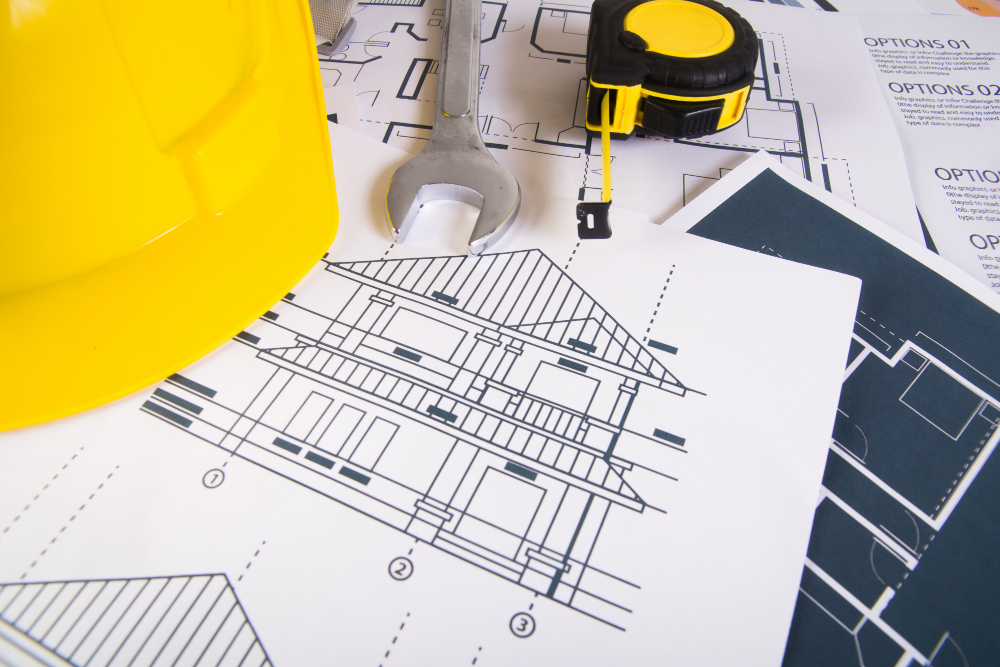
Detailed engineering drawings, specifications, and calculations are prepared to guide construction teams. These documents provide precise information regarding dimensions, materials, reinforcement details, fabrication requirements, and installation procedures.
Accurate documentation is essential for maintaining consistency between the design intent and field execution. It also facilitates communication among architects, contractors, fabricators, and project managers.
Material Selection and Optimization
Selecting the right materials is a crucial aspect of structural design. Engineers evaluate options such as steel, concrete, timber, and composite materials based on project requirements and environmental conditions.
Material optimization helps balance performance, durability, and cost. Through careful design refinement, engineers can reduce unnecessary material usage while maintaining structural integrity. This approach contributes to sustainable construction practices and improves overall project efficiency.
Construction Support and Coordination
The role of structural engineers extends beyond the design office. During construction, engineers provide technical support to ensure that the structure is built according to approved plans and specifications.
Regular coordination with contractors, fabricators, and site teams helps address unforeseen challenges, design clarifications, and field modifications. Site inspections and quality checks may also be conducted to verify compliance with engineering requirements.
This collaborative approach helps prevent construction errors and ensures that project objectives are successfully achieved.
Final Validation and Long-Term Performance
Before project completion, the structure undergoes final reviews and inspections to confirm that all components meet design specifications and safety standards. Engineers verify that construction has been executed correctly and that the structure is ready for occupancy or operation.
Long-term performance considerations such as maintenance requirements, durability, and future adaptability are also evaluated. A well-designed structure not only meets immediate project goals but continues to perform reliably for decades.
Conclusion
The journey from concept to construction involves careful planning, analysis, design, and coordination. By integrating technical expertise with practical construction knowledge, structural engineers create safe, efficient, and durable structures that support modern infrastructure and development. A comprehensive design process ensures that every project is delivered with confidence, quality, and long-term value.