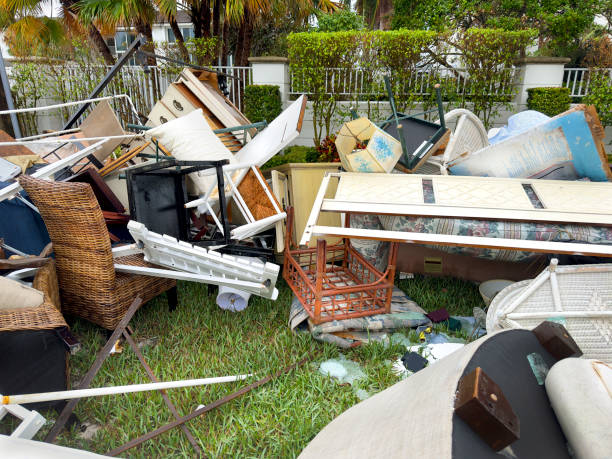
Basements often become storage spaces for unused furniture, seasonal decorations, old appliances, and household items that accumulate over time. A structured cleanout process helps homeowners reclaim usable space, improve organization, and reduce safety concerns associated with clutter. Proper planning also makes disposal and recycling decisions easier while preventing unnecessary stress during the project. Great Affordable Rates LLC recognizes that organized cleanout strategies contribute to safer and more functional living environments.
Key Takeaways
- Planning helps simplify large cleanout projects.
- Sorting items early improves organization and disposal decisions.
- Decluttering can increase usable basement space.
- Recycling and donation options help reduce waste.
- Regular maintenance prevents future accumulation.
Many homeowners postpone basement cleanouts because the task feels overwhelming. However, breaking the process into manageable phases often makes the project significantly easier. Industry studies show that organized storage spaces can improve household functionality and reduce time spent searching for items.
Basements frequently contain belongings that have not been used for years. Identifying what should be kept, donated, recycled, or removed helps transform these spaces into more practical areas for storage, recreation, or household activities.
Why Basement Cleanouts Matter For Property Maintenance
Cluttered basements can create several challenges beyond simple disorganization. Excess belongings may block access to utilities, restrict movement, and contribute to moisture-related concerns if items are stored improperly.
A clean and organized basement allows homeowners to inspect walls, flooring, plumbing, and structural components more effectively. Early identification of maintenance issues can help prevent larger repair costs in the future.
Proper organization also improves safety. Clear pathways reduce tripping hazards and allow easier access during emergencies or routine maintenance activities.
Creating A Cleanout Plan Before Starting
Successful cleanout projects typically begin with a detailed plan. Establishing goals helps determine how the space will be used after unwanted items are removed.
Some homeowners prioritize storage improvements, while others may convert basements into home offices, recreation areas, or additional living space. Defining these objectives early helps guide decision-making throughout the project.
Important Preparation Tasks
- Identify areas that require immediate attention.
- Gather containers for sorting belongings.
- Create categories for keeping or removing items.
- Schedule donation or disposal arrangements.
- Establish realistic cleanout timelines.
These preliminary steps help maintain organization and reduce confusion throughout the process.
Sorting Items Into Practical Categories
One of the most effective approaches to basement organization involves dividing belongings into specific groups. This method simplifies decision-making and prevents unnecessary handling of items multiple times.
Items used regularly may remain in storage, while damaged or obsolete belongings often become candidates for disposal. Donation opportunities may also exist for furniture, household goods, and equipment that remain in usable condition.
Research related to household organization suggests that structured sorting methods improve overall productivity during decluttering projects. Organized systems often reduce completion times and improve results.
Understanding Responsible Disposal Options
Not every item removed from a basement belongs in a landfill. Responsible disposal practices help reduce environmental impact while supporting community reuse efforts.
Many municipalities provide recycling programs for electronics, metal products, cardboard, and other materials. Donation centers frequently accept furniture, clothing, and household items that are in good condition.
Homeowners should also review local regulations regarding the disposal of hazardous materials such as paint, chemicals, batteries, and certain appliances.
How Professional Cleanout Services Simplify Large Projects
Large cleanout projects often involve heavy lifting, transportation challenges, and disposal logistics. Professional services can assist homeowners by handling these responsibilities safely and efficiently.
When planning a basement cleanout in Washington, DC, many property owners seek assistance for removing bulky furniture, outdated appliances, construction debris, and accumulated household items. Professional support can help reduce physical strain while improving project timelines.
Experienced crews often have access to proper equipment, transportation resources, and disposal knowledge that simplify complex cleanout situations.
Benefits Of Professional Assistance
- Removal of heavy or oversized items.
- Faster project completion timelines.
- Proper disposal and recycling practices.
- Reduced physical labor requirements.
- Improved overall project organization.
These advantages make professional support appealing for larger or more demanding cleanout projects.
Factors To Consider Before Beginning A Cleanout
Several important considerations should be evaluated before starting a basement cleanout. The size of the project, volume of materials, access limitations, and disposal requirements all influence planning decisions.
Homeowners should also consider potential moisture issues. If water intrusion has occurred, damaged materials may require specialized handling before organization efforts begin.
Budget considerations are equally important. Understanding disposal costs, equipment needs, and potential service requirements helps prevent unexpected expenses during the project.
Preventing Future Basement Clutter
Once a basement has been organized, maintaining that condition becomes the next priority. Simple organizational systems often help prevent future accumulation of unnecessary belongings.
Clearly labeled storage containers improve accessibility and make it easier to identify contents. Shelving systems also help maximize available space while keeping items elevated and organized.
Experts frequently recommend reviewing stored belongings annually to remove items that are no longer needed. Consistent maintenance helps preserve the benefits of the cleanout effort.
Practical Organization Tips
- Label storage bins clearly.
- Store frequently used items near access points.
- Inspect stored belongings periodically.
- Remove unused items annually.
- Use shelving to improve visibility.
These practices help maintain a cleaner and more functional storage environment.
Common Challenges During Basement Cleanouts
Basement cleanouts often present unique challenges due to limited lighting, confined spaces, and years of accumulated belongings. Heavy furniture and large appliances may require special handling techniques to ensure safe removal.
Emotional attachment to stored items can also slow progress. Establishing clear criteria for keeping or discarding belongings often helps homeowners make more confident decisions.
Patience and organization remain important throughout the process. Gradual progress frequently produces better outcomes than attempting to complete everything at once.
Conclusion
A well-planned basement cleanout can improve organization, increase usable space, and support better property maintenance. By creating a structured plan, sorting belongings carefully, utilizing responsible disposal methods, and maintaining organized storage systems, homeowners can achieve lasting results. Whether the project involves a small storage area or a heavily cluttered basement, preparation and consistency remain essential to long-term success.
Contact Trusted Cleanout Professionals Today
Homeowners preparing for a basement cleanout can benefit from experienced assistance tailored to the scope of their project. Professional cleanout specialists can help remove unwanted items, coordinate disposal solutions, and support organization goals while reducing physical demands. Contact trusted cleanout professionals today to discuss project requirements, explore available services, and receive reliable support for creating a cleaner, safer, and more functional basement space.
Frequently Asked Questions
How long does a typical basement cleanout take?
The timeline depends on the size of the basement, the volume of items present, and disposal requirements. Smaller projects may take a single day, while larger cleanouts can require additional time.
What items can usually be donated during a cleanout?
Furniture, clothing, household goods, books, and certain appliances in good condition are often accepted by donation organizations.
Should hazardous materials be handled differently?
Yes. Paint, chemicals, batteries, and similar materials typically require specialized disposal methods that comply with local regulations.
How can homeowners stay organized during a cleanout?
Using labeled containers, creating item categories, and following a structured plan can improve organization throughout the process.
Is professional assistance helpful for large cleanouts?
Professional services can help with heavy lifting, transportation, disposal coordination, and overall project management, particularly for larger cleanout projects.