
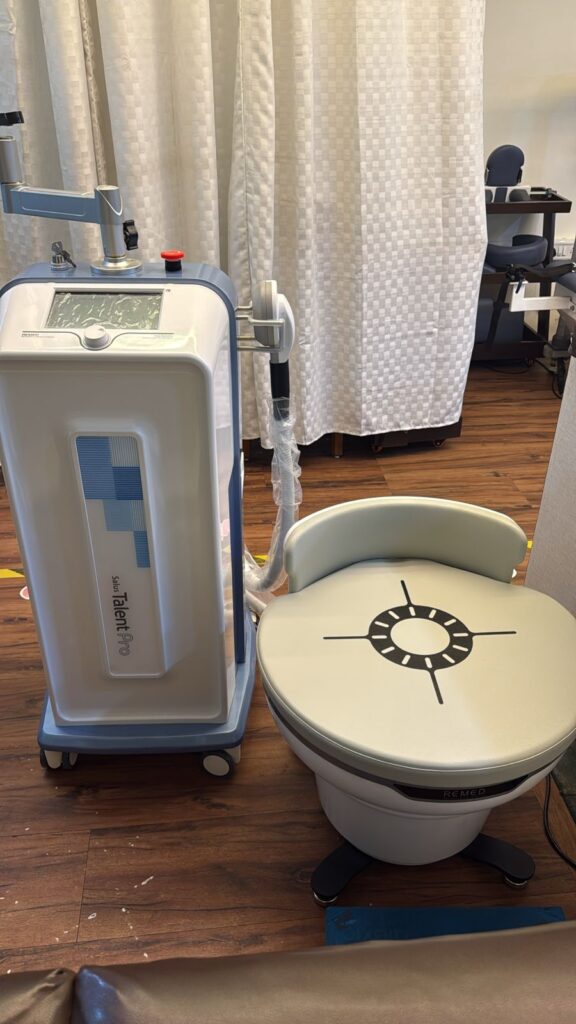
Urinary incontinence is a health condition that affects millions of people worldwide, yet many hesitate to talk about it. The involuntary leakage of urine can feel embarrassing and frustrating, often impacting confidence, social life, and emotional well-being. But the reality is simple—urinary incontinence is treatable, and with the right care, many people can recover significantly or even completely.
For individuals searching for urinary incontinence treatment in Mulund, finding a trusted and experienced rehabilitation center is essential. Clinics like PhysioFitGuru provide specialized physiotherapy treatments focused on strengthening pelvic floor muscles, improving bladder control, and helping patients return to a more comfortable and confident lifestyle.
This guide will help you understand urinary incontinence, its causes, symptoms, and why physiotherapy is becoming one of the most effective non-surgical treatment options.
What is Urinary Incontinence?
Urinary incontinence is the accidental leakage of urine due to loss of bladder control. It can range from occasional minor leaks to frequent and severe loss of control. While it is more common in older adults, it is not a normal part of aging.
This condition can affect both men and women, though women often experience it more due to pregnancy, childbirth, and hormonal changes.
Urinary incontinence can interfere with everyday activities like:
- Traveling
- Exercising
- Sleeping
- Working
- Socializing
- Attending public events
Many people begin adjusting their lives around bathroom access, limiting activities out of fear of leakage. This is where proper treatment becomes important.
Different Types of Urinary Incontinence
Understanding the type of incontinence is the first step toward finding the right treatment.
Stress Urinary Incontinence
This is one of the most common forms of urinary leakage. It happens when pressure is placed on the bladder during activities like:
- Coughing
- Sneezing
- Laughing
- Running
- Jumping
- Lifting heavy objects
It usually occurs because the pelvic floor muscles have weakened.
Urge Urinary Incontinence
This type involves a sudden and strong urge to urinate, followed by involuntary leakage. It may happen even if the bladder isn’t full.
People with urge incontinence often feel like they cannot hold their urine for even a few minutes.
Overflow Incontinence
This happens when the bladder doesn’t empty fully, causing constant dribbling or leakage.
It is more common in men, especially those with prostate-related issues.
Functional Incontinence
Sometimes a person’s physical or cognitive condition prevents them from reaching the toilet in time.
Conditions like arthritis, stroke, or mobility problems can contribute.
Mixed Incontinence
As the name suggests, this is a combination of more than one type—usually stress and urge incontinence.
What Causes Urinary Incontinence?
There are many reasons why someone may develop urinary incontinence.
Pregnancy and Childbirth
Pregnancy places pressure on the bladder and pelvic floor muscles. Vaginal delivery can also weaken these muscles.
Aging
As we age, muscles naturally lose strength, including those that support bladder control.
Menopause
Hormonal changes during menopause can weaken tissues around the bladder and urethra.
Obesity
Excess weight increases pressure on the bladder and pelvic floor.
Prostate Surgery
Men who undergo prostate surgery may experience temporary or long-term urinary leakage.
Chronic Coughing
Persistent coughing from smoking or respiratory issues can weaken pelvic muscles over time.
Neurological Conditions
Conditions such as Parkinson’s disease, multiple sclerosis, or spinal injuries can affect bladder nerves.
Constipation
Long-term constipation can place extra pressure on the bladder.
Signs You Should Not Ignore
Many people delay treatment, assuming the problem will go away on its own. But these symptoms should not be ignored:
- Frequent urine leakage
- Sudden urges to urinate
- Difficulty holding urine
- Leakage while exercising
- Waking up multiple times at night
- Feeling unable to fully empty the bladder
- Avoiding public outings due to fear of accidents
Seeking treatment early can prevent the condition from worsening.
Why Physiotherapy is One of the Best Treatments
One of the biggest misconceptions about urinary incontinence is that surgery is always required. In reality, physiotherapy is often the first and most effective treatment option.
Physiotherapy works by strengthening the pelvic floor, retraining the bladder, and improving muscle coordination.
Benefits include:
- Non-invasive treatment
- No medication dependency
- Minimal side effects
- Improved pelvic strength
- Better bladder control
- Long-term symptom management
- Improved confidence
This approach addresses the root cause instead of only managing symptoms.

Specialized Treatment at PhysioFitGuru in Mulund
For those looking for expert urinary incontinence treatment in Mulund, PhysioFitGuru offers advanced physiotherapy programs designed to treat all types of urinary leakage.
Their patient-focused approach ensures each treatment plan is personalized based on the severity and cause of the condition.
1. Pelvic Floor Muscle Training
Pelvic floor exercises are the foundation of urinary incontinence treatment.
These exercises strengthen the muscles that support the bladder and urethra.
With proper guidance, patients learn how to engage the right muscles effectively.
2. Kegel Exercise Therapy
Kegels are highly effective when performed correctly.
At PhysioFitGuru, therapists guide patients to ensure proper technique for faster improvement.
3. Bladder Retraining
Bladder retraining teaches the body to hold urine for longer periods.
This gradually improves bladder control and reduces urgency.
4. Biofeedback Therapy
Biofeedback is useful for patients who struggle to identify their pelvic floor muscles.
It provides visual or sensory feedback to improve exercise accuracy.
5. Electrical Stimulation Therapy
For patients with weak muscles, gentle electrical stimulation can activate and strengthen pelvic floor muscles.
6. Core Strengthening Programs
The core muscles work closely with pelvic floor muscles.
Strengthening the abdomen and lower back can improve overall stability and bladder support.
7. Postpartum Recovery Programs
Women who experience urinary leakage after childbirth can benefit from postpartum pelvic rehabilitation.
8. Post-Prostate Surgery Rehabilitation
Men recovering from prostate surgery often need bladder control training.
Specialized physiotherapy can speed up recovery.
Lifestyle Changes That Help
Along with physiotherapy, certain lifestyle changes can improve symptoms.
Maintain a Healthy Weight
Losing extra weight reduces pressure on the bladder.
Avoid Bladder Irritants
Limit:
- Caffeine
- Alcohol
- Carbonated drinks
- Spicy foods
Stay Hydrated
Many people reduce water intake to avoid leakage, but dehydration can worsen bladder irritation.
Quit Smoking
Smoking causes chronic coughing and bladder irritation.
Practice Timed Voiding
Following a regular bathroom schedule can improve bladder control.
Why Choose PhysioFitGuru?
When choosing a clinic for urinary incontinence treatment, expertise and comfort matter.
Here’s why many trust PhysioFitGuru:
Experienced Professionals
Their team understands the complexity of pelvic health and rehabilitation.
Customized Treatment Plans
Every patient receives individualized care.
Modern Rehabilitation Methods
Advanced tools and evidence-based therapies ensure effective recovery.
Supportive Environment
The clinic provides compassionate care for sensitive health conditions.
Holistic Recovery
They focus on strengthening the entire body, not just the bladder.
Who Can Benefit?
Urinary incontinence treatment can help:
- Women after childbirth
- Men after prostate surgery
- Older adults
- Athletes with pelvic weakness
- Women during menopause
- Individuals with obesity
- People with chronic cough
- Those with neurological disorders
Recovery Takes Time, But It Works
Bladder control improvement doesn’t happen overnight. Recovery depends on:
- Severity of the condition
- Consistency in exercises
- Overall health
- Following the treatment plan
Most patients start noticing improvement within a few weeks to months.
Patience and commitment are key.
Final Words
Urinary incontinence may feel like a difficult condition to manage, but it should never be ignored. With modern physiotherapy treatments, expert guidance, and consistent rehabilitation, recovery is absolutely possible.
If you’re looking for trusted urinary incontinence treatment in Mulund, PhysioFitGuru offers professional and personalized care to help you regain bladder control, confidence, and peace of mind.
Taking the first step toward treatment can transform your quality of life. The sooner you seek help, the sooner you can return to living freely and confidently.