
As property owners prepare for upcoming home insulation retrofits, the local focus is shifting toward smarter, greener building materials. The prominent spray foam insulation trends 2026 highlight a major transition to hydrofluoroolefin (HFO) blowing agents and bio-based formulas designed to withstand North Carolina’s humid climate. These developments represent a significant step forward in how local properties maintain temperature stability throughout the year.
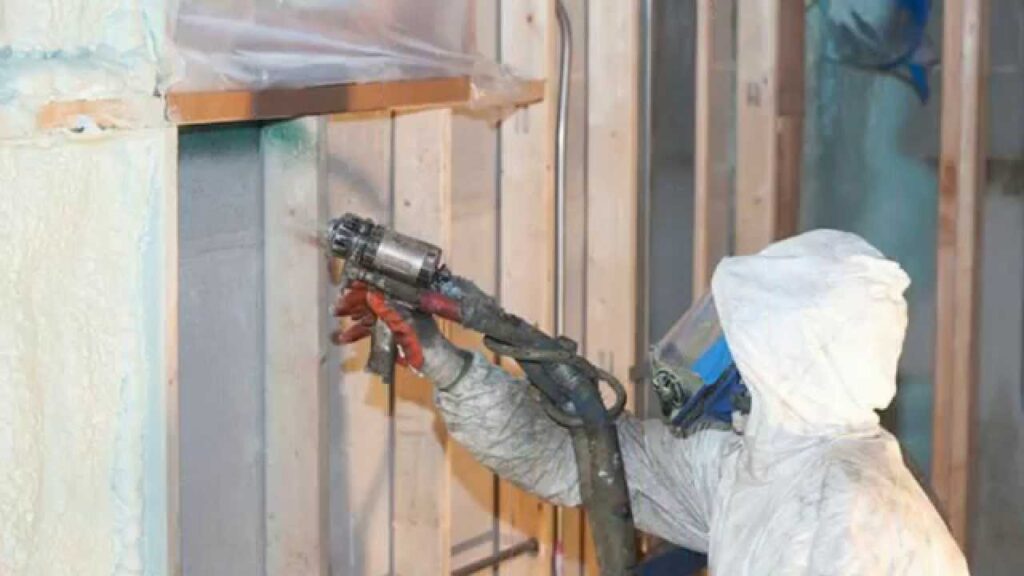
This guide outlines how regional performance standards and material changes affect your property decisions. Experienced building science specialists have analyzed these updates to help you choose the most effective options for your attic, walls, or crawl space. By planning ahead, you can protect your building structure and optimize your energy consumption.
Emerging Technologies in the Insulation Market
The shift toward modern insulation technology has introduced materials that perform better while minimizing environmental impact. Manufacturers are now utilizing soy and vegetable oils to replace petroleum-based ingredients in the chemical mixture. This change reduces chemical odors and shortens the occupancy re-entry time after application.
Keeping up with spray foam insulation trends 2026 allows you to select products that offer better structural strength. Newer systems use water-blown or low-emission chemical formulas that pose fewer risks during installation. These advancements mean that property owners can enjoy safer products without sacrificing thermal resistance.
These building insulation advancements also feature built-in flame retardants that meet strict local safety codes. Beyond these safety improvements, market adoption is accelerating; data reveals that bio-based polyurethane products now account for roughly twenty-five percent of new residential thermal installations in the Southeast. This growth reflects a broader movement toward sustainable construction practices that do not compromise on durability.
- Bio-based materials reduce reliance on petroleum products.
- Low-emission formulas improve indoor air quality immediately after curing.
- New chemical mixtures offer better yield per container, which lowers overall waste.
- Modern foams cure faster to minimize downtime during home improvement projects.
Bonus Tip: Always ask your installer for the manufacturer product sheet to verify the bio-based content percentage.
Climate-Specific Solutions for Piedmont Homeowners
Chapel Hill experiences hot, sticky summers and chilly winters, which makes moisture control a major priority. Implementing spray foam insulation trends 2026 standards helps prevent humid air from entering your crawl space or attic, a critical step in addressing local weather patterns. Applying the correct foam density prevents condensation from forming on your structural wood.
The local climate requires a careful balance between air sealing and moisture vapor transmission. For homeowners considering Spray Foam Insulation in Chapel Hill, NC, using closed-cell materials on crawl space walls can help block rising dampness from the soil and reduce the risk of mold growth. Open-cell foam works exceptionally well in dry attics to block summer heat while remaining flexible.
- Closed-cell foam acts as a vapor barrier, blocking outdoor humidity.
- Open-cell foam provides sound dampening between interior rooms.
- Proper installation helps reduce the workload on your HVAC system during peak summer months.
- Water-resistant formulas protect your wood framing from rotting due to persistent humidity.
| Feature | Open-Cell Spray Foam | Closed-Cell Spray Foam |
|---|---|---|
| Density | Light (0.5 lbs/cu. ft.) | Dense (2.0 lbs/cu. ft.) |
| R-Value Per Inch | R-3.5 to R-3.8 | R-6.5 to R-7.0 |
| Moisture Resistance | Permeable to water vapor | Excellent water vapor barrier |
| Best Local Use | Interior walls and attics | Crawl spaces and basements |
| Structural Support | High flexibility | Adds structural strength to walls |
What Makes These Upgrades Necessary for Local Properties
Why are homeowners rushing to adopt these new insulation standards? The answer lies in recent insulation industry updates and state energy mandates that require higher thermal performance. Older insulation materials tend to settle over time, creating gaps where conditioned air escapes.
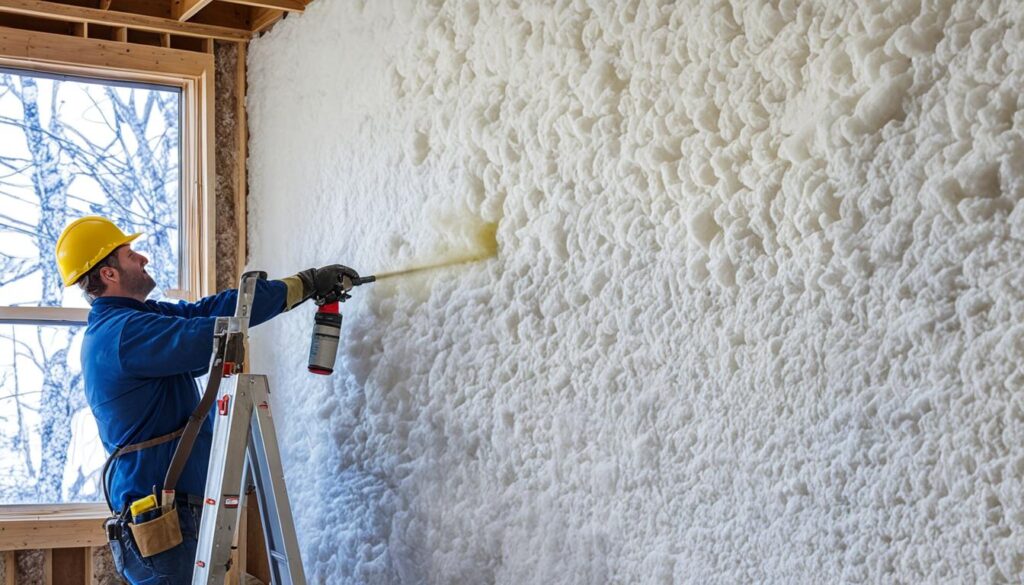
Adopting spray foam insulation trends 2026 ensures your home meets these updated standards while keeping utility bills manageable. The North Carolina Energy Conservation Code has increased the requirements for thermal resistance in residential attic spaces. Traditional fiberglass batts often struggle to meet these strict airtightness goals without extensive manual air sealing.
By utilizing energy efficient insulation innovations, you can block drafty air currents that force your furnace or air conditioner to work double-time. Recent housing market data indicates that properties with verified airtight envelopes sell faster and command higher market values in the Triangle region. Investing in these upgrades protects your equity and lowers your daily operating costs.
- Airtight seals prevent dust, pollen, and outdoor allergens from entering the living space.
- High-efficiency barriers prevent hot attic air from radiating down into your bedrooms.
- Modern materials do not attract pests or provide nesting material for rodents.
- Properly insulated buildings maintain consistent temperatures across different floors.
Important Factors to Evaluate Before Selecting a System
Choosing a thermal barrier requires evaluating several physical and financial aspects before any work begins. You must consider the specific area of your home that needs treatment and how different materials react to moisture. Selecting the wrong density can lead to structural issues or wasted expenses.
Understanding spray foam insulation trends 2026 helps you negotiate with service providers and choose the correct materials for each zone. For instance, putting open-cell foam in a wet basement can lead to moisture absorption issues. Closed-cell foam is the correct option for damp areas, while open-cell is ideal for attic rooflines.
It is also wise to consult certified insulation contractors who understand local soil and humidity conditions. Qualified professionals can accurately measure the depth required for maximum efficiency and ensure the chemical components mix at the correct temperatures. Improperly mixed chemicals can fail to cure, leading to lingering odors and reduced effectiveness.
- Assess whether your crawl space requires water vapor protection or simple thermal resistance.
- Verify that your attic has adequate ventilation if you choose a traditional vented design.
- Review local building codes to ensure your selected foam thickness meets the minimum R-value requirements.
- Request references and check certifications to verify the installer’s training and expertise.
Bonus Tip: Have a professional perform a blower door test before installation to identify the exact areas of air leakage.
Professional Guidance for Your Home Insulation Projects
If you want to improve your property’s comfort and lower your utility bills, reaching out to local experts is a great next step. The team at Raleigh Excel Spray Foam Insulation provides high-quality Attic Insulation and Wall Insulation services. You can request a free quote to assess your home’s needs by emailing them at [email protected] or checking their map at https://maps.app.goo.gl/HxBgFqzVHWiSMg3SA. Call them at (919) 301-9435 to schedule a professional consultation.
Frequently Asked Questions About Local Insulation Standards
What is the main difference between open and closed cell foam?
Open-cell foam is lightweight, flexible, and expands significantly to fill large cavities, making it great for interior sound dampening. Closed-cell foam is dense, rigid, acts as a moisture barrier, and provides structural reinforcement, which is ideal for damp crawl spaces.
How does local humidity affect the installation process
High outdoor humidity in the Piedmont region requires installers to carefully monitor substrate moisture levels before spraying. Applying foam to damp wood can cause adhesion failure, so professional crews use moisture meters to ensure dry conditions.
Are modern spray foam materials safe for families and pets
Yes, modern HFO-blown formulas are highly stable and release minimal volatile organic compounds. Once the material cures completely, typically within twenty-four hours, it is entirely inert and safe for all residents.
What is the average lifespan of updated spray foam applications
Properly installed spray foam does not sag, shrink, or degrade over time. It is designed to last for the lifetime of the building, providing consistent thermal performance for decades.
Can spray foam help lower summer cooling costs in North Carolina
By sealing the tiny cracks and gaps where hot, humid air leaks into your home, spray foam can reduce cooling costs by up to thirty percent. This takes a significant burden off your air conditioning unit.