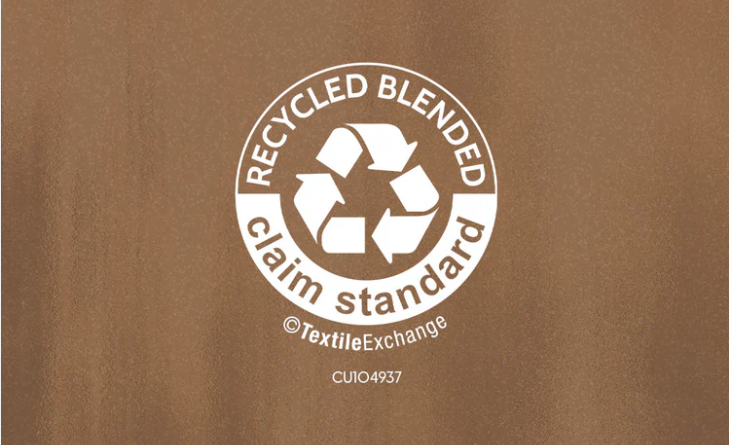
What does RCS stand for, and why should it matter to you? If you have been shopping for sustainable products lately, you may have seen a small tag that reads RCS. RCS stands for Recycled Claim Standard. It is an international, voluntary tracking standard used to verify the exact amount of recycled material in a product, including recycled polyester known as rPET and recycled cotton. The standard tracks this recycled content from its source all the way through the entire supply chain, right up to the finished product you hold in your hands. In simple terms, RCS is a way of proving that a brand is telling the truth when it claims a product contains recycled materials.
What Does RCS Stand For and Why Was It Created
Sustainable shopping has become a major priority for consumers everywhere, including right here in New York. People want to make better choices, but there is a problem. Not every brand that claims to be sustainable actually is. This practice is often called greenwashing, where companies use vague or misleading language to make a product sound more eco friendly than it really is. The Federal Trade Commission’s Green Guides set out rules for how brands in the US can legally make environmental marketing claims like “recycled,” helping protect shoppers from misleading labels.
The Recycled Claim Standard, or RCS, was developed to solve this exact issue. It gives brands a clear, third party verified way to prove their recycled content claims. Instead of just trusting a label that says made with recycled materials, shoppers can look for the RCS certification and know that an independent system has checked and confirmed those claims at every stage of production.
How the RCS Certification Process Works
The RCS process is detailed and thorough. It is not something a brand can simply claim on their own. Independent, third party auditors track the recycled material from the very beginning of its life all the way to the final product.
First, the recycled input is verified, confirming that the raw material, such as plastic bottles being turned into rPET, actually came from a legitimate recycled source. Second, the material is tracked through every stage of processing, including spinning, weaving, dyeing, cutting, and assembling, with recycled content documented at each step. Third, the final product is certified, and the brand can use the RCS label, showing shoppers that the recycled content claim has been independently verified.
This chain of custody tracking is what makes RCS different from a brand simply saying their product is eco friendly. It is backed by documentation and outside verification at every single step.
What RCS Means for You as a Shopper
When you see the RCS label on a product, it tells you something specific and trustworthy. It tells you that the recycled material percentage listed has been checked by an independent party, not just claimed by the brand itself.
This matters more than ever in a market full of sustainability claims that sound good but are not always backed up. RCS gives you a way to shop with confidence. You do not have to take a brand’s word for it. You can look for that certification and know the claim has been verified through a recognized international standard.
For shoppers who care about where their products come from and how they are made, this kind of transparency is incredibly valuable. It turns a vague marketing term like eco friendly into something measurable and proven.
RCS and the New York Bags Brand Scene
New York has long been a center for fashion that pushes boundaries, and that now includes sustainability. Across the city, a growing number of designers are reshaping what it means to build a new york bags brand. Sustainability is no longer an afterthought. It is becoming a core part of how bags are designed, sourced, and produced.
As more shoppers ask harder questions about where their bags come from, standards like RCS are playing a bigger role in the industry. A new york bags brand that uses RCS certified materials is showing a real commitment to transparency, not just a marketing angle. It means the brand has gone through the work of tracking and verifying its recycled content rather than simply slapping a sustainable label on a product.
This shift is part of a larger movement happening across the city. Independent designers and small label founders are increasingly choosing certified recycled materials for handbags, totes, and crossbody styles, reflecting a broader change in how New York’s fashion scene approaches production.
Why This Standard Will Only Grow in Importance
As sustainability becomes less of a trend and more of an expectation, certifications like RCS will likely become even more common across the fashion industry. Shoppers are getting smarter, asking more questions, reading labels more carefully, and looking for proof behind sustainability claims.
For any new york bags brand looking to build long term trust with customers, understanding and adopting standards like RCS is becoming less optional and more essential. It is a clear, credible way to show customers that the brand’s sustainability claims are not just words on a tag.
Final Thoughts
So the next time you spot RCS on a tag or product description, you will know exactly what it means. Recycled Claim Standard. A verified, internationally recognized system that tracks recycled material from source to shelf. As more shoppers prioritize transparency, and as more of New York’s fashion industry embraces real accountability, RCS is set to become one of the most important labels to look for when shopping sustainably, and any new york bags brand that adopts it stands out as a leader worth trusting.