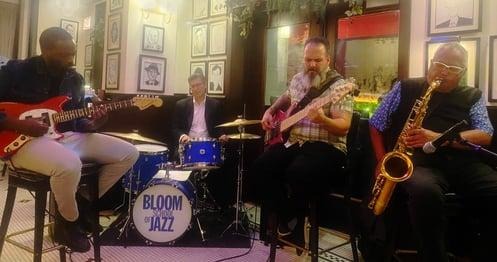
Every jazz instrument carries a different feel, even when playing the same note. A saxophone gives a flowing tone, while drums focus on timing and control. Beginners often need time to notice these differences. Trying short practice sessions helps in understanding what feels natural.
Many students also rely on jazz performance workshops Chicago to see how instruments work together in real group settings. This makes it easier to decide which instrument matches their interest and daily practice style.
Starting Point in Jazz Learning
In a jazz band, each instrument has a clear role. Some lead with melody. Some hold rhythm. Others add depth in the background. This mix can feel confusing for beginners.
Most learners start with piano, saxophone, trumpet, or drums. Each one builds a different skill set. Piano shows note layout in a direct way. Saxophone builds breath control. Trumpet needs steady lip strength. Drums focus on timing and rhythm control.
A simple example helps. One student may struggle with trumpet due to lip pressure. The same student may find piano easier because notes are visible. Small changes like this often shape long-term progress.
Programs like advanced music coaching Chicago often allow students to try more than one instrument before settling.
How Each Instrument Feels in Practice
- Piano: Clear and structured start
Piano is often the easiest starting point. It shows harmony and melody together in a clear layout. Notes are visible, so learners can understand sound patterns quickly. Many beginners feel less confusion here because everything is placed in front. It also helps build strong music basics early.
- Saxophone: Smooth and flowing sound
Saxophone is chosen by many who enjoy soft, melodic tones. It feels natural for those who like long, smooth notes. Breath control takes time, but progress feels rewarding. The sound feels expressive even at early stages, which keeps learners engaged and interested in daily practice.
- Drums: Strong focus on rhythm
Drums suit learners who enjoy steady beat patterns. It is less about melody and more about timing. Even simple beats feel engaging and active from the start. It also builds strong coordination between hands and feet, which improves overall rhythm sense in music learning.
- Trumpet: Bright and powerful tone
Trumpet fits those who like sharp and bold sounds. It needs lip strength and control, but the sound stands out clearly in groups. Beginners often notice its strong presence early. With practice, it helps build breath control and steady sound projection over time.
Physical Comfort and Daily Practice
Every instrument needs a different kind of control. Brass instruments need lip strength. Wind instruments need steady breathing. Piano requires finger coordination but less physical strain.
Practice space also matters. Drums can be loud in shared homes. Saxophone and trumpet also need sound awareness. These real-life points often shape final decisions more than theory.
Short trial periods work well. Trying one instrument at a time helps the mind notice small differences in effort and comfort. Guided music classes often rotate instruments weekly so learners can compare without pressure.
Group jazz settings also help. In group jazz sessions, students hear balance between instruments and understand their role better.
Learning Through Real Experience
Simple practice often teaches more than long study. A learner trying piano for a few days may quickly understand note layout but feel less connected to rhythm.
Another exploring saxophone may feel slow progress at first, but still enjoy its tone and expression. Switching instruments in short cycles removes guesswork and helps notice details like control, breathing, and timing.
Playing with others builds awareness of balance and sound. Jazz performance workshops Chicago also provides structured group practice where learners build timing, coordination, and listening skills in a more natural and flowing musical setting.
Final Note
Choosing a first jazz instrument is not about finding a perfect option. It is about noticing what feels natural during practice. Interest often grows through exposure, not planning.
Every instrument teaches something different, even in early stages. One may improve timing, another may strengthen breath control, and another may build coordination.
As learners continue exploring, decisions become clearer without pressure. Progress comes quietly through repetition, listening, and shared playing time.