
The global shift towards clean energy has transformed how residential and commercial properties consume electricity. With traditional grid power becoming increasingly expensive and unreliable, adopting sustainable power alternatives is no longer just an environmental choice but a financial necessity. Photovoltaic technology harnesses sunlight and converts it directly into usable electricity, offering long term independence from conventional utility providers. Modern photovoltaic cells have achieved remarkable efficiency milestones, ensuring that property owners can generate substantial power even during cloudy weather conditions or sub optimal seasonal periods.
Transitioning to green power requires careful planning, accurate load calculations, and deep technical knowledge of electrical components. Every building has unique power consumption patterns, meaning a generic setup rarely delivers optimal results. Professional engineering teams analyze historical electricity bills, peak load requirements, and available roof space to design systems that maximize energy harvest. This customized approach ensures that batteries, charge controllers, and grid tied components work harmoniously to protect sensitive appliances while delivering consistent daily power generation.
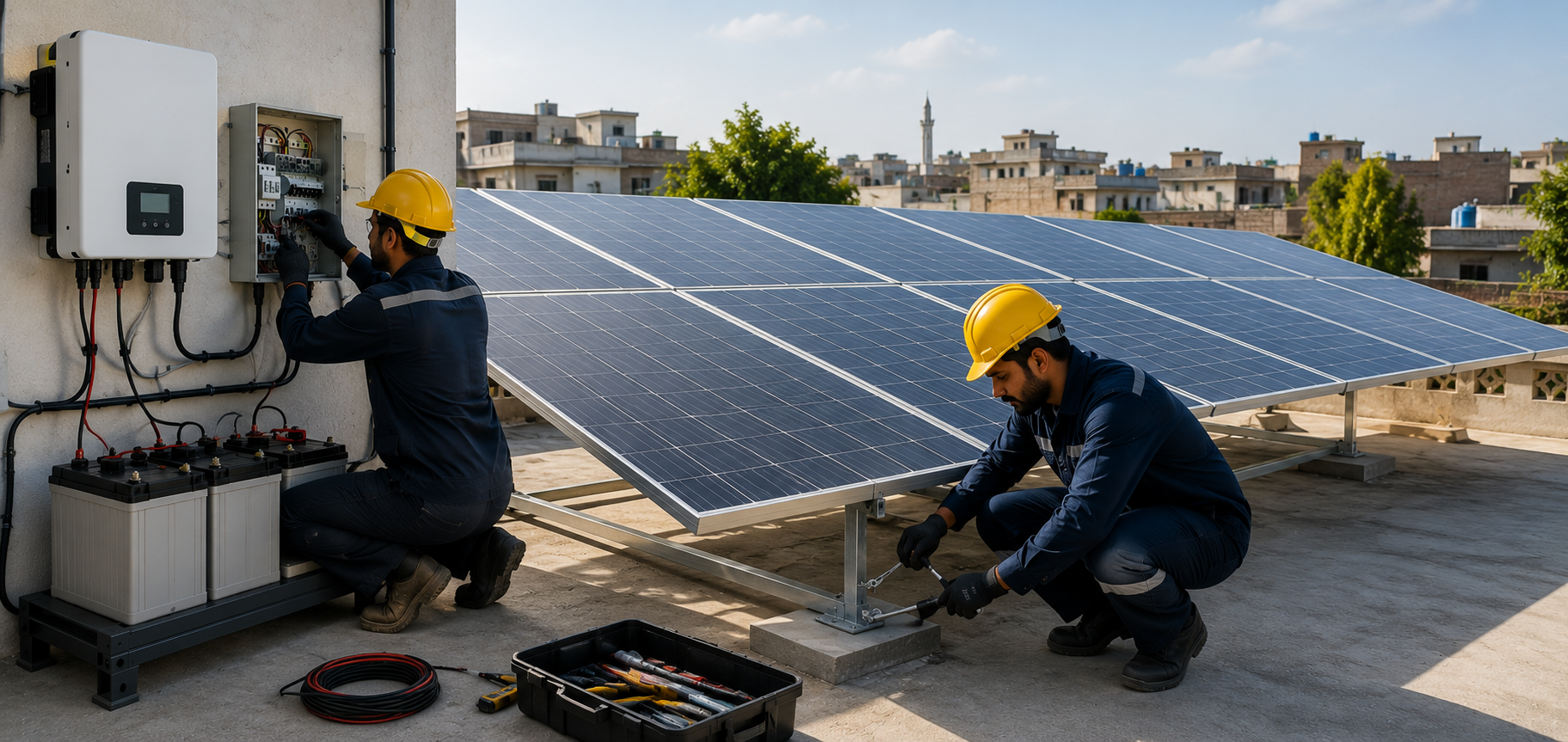
Investing in high performance renewable infrastructure relies heavily on professional expertise and flawless execution. solar panel installation services provide the crucial bridge between purchasing raw hardware and enjoying a fully functional, grid integrated power plant. Expert technicians ensure secure mechanical mounting, correct tilt angles for maximum solar absorption, and strict compliance with local electrical safety codes. Professional setup prevents common pitfalls such as shading issues, wiring bottlenecks, and premature equipment wear, securing your capital investment for decades.
The Economic Benefits of Photovoltaic Systems
Financial savings represent one of the most compelling reasons for property owners to adopt clean energy technology. Rising electricity tariffs place a heavy burden on monthly household budgets and corporate operational expenses alike. By generating your own electricity during peak daylight hours, you drastically reduce reliance on high tier utility slabs. The surplus energy generated can often be fed back into the commercial grid through net metering policies, earning valuable credits that offset nighttime consumption costs.
Beyond immediate utility bill reductions, photovoltaic arrays significantly enhance real estate market value. Properties equipped with reliable renewable energy infrastructure attract environmentally conscious buyers and forward thinking tenants who appreciate lower ongoing utility expenses. Financial analysts consistently point out that solar investments yield a higher return on investment compared to traditional equity markets or fixed income instruments, making clean energy adoption a masterclass in modern fiscal management.
Choosing the Right Hardware Components
Selecting top tier hardware components is paramount to achieving longevity and high performance from any clean energy layout. Monocrystalline photovoltaic modules lead the industry in conversion efficiency and space optimization, making them ideal for both compact urban rooftops and large industrial complexes. Premium grade panels maintain their output capacity over decades, suffering minimal degradation compared to older polycrystalline alternatives.
Inverters act as the brain of the entire renewable energy setup, converting direct current generated by panels into alternating current suitable for household appliances. Modern hybrid inverters allow seamless integration with lithium ion battery storage systems, ensuring uninterrupted power supply during unexpected grid outages. Partnering with reputable manufacturers ensures access to comprehensive warranties, replacement support, and firmware updates that optimize energy conversion efficiency throughout the lifecycle of the system.
Essential Components of a Quality Photovoltaic System
Building a robust solar power system involves selecting top tier components that work harmoniously together. Photovoltaic modules form the visible face of the setup, capturing sunlight and converting it into direct current electricity. The inverter acts as the brain of the operation, transforming direct current power into alternating current electricity suitable for household appliances and commercial machinery. Premium inverters feature smart monitoring capabilities, allowing property owners to track real time energy production through mobile applications.
Battery storage solutions have become increasingly popular for maintaining continuous power supply during grid outages. Modern lithium ion batteries store surplus daytime energy safely for use during nighttime hours or unexpected blackouts. Mounting structures and heavy duty cabling ensure physical security and seamless electrical conductivity across all weather extremes. Selecting durable, weather resistant hardware protects your investment against harsh environmental elements, ensuring decades of uninterrupted clean energy generation.
Selecting the Right Energy Partner for Your Property
Navigating the photovoltaic market can feel overwhelming given the vast array of available technologies and hardware brands. Partnering with a reputable energy provider ensures you receive honest assessments, transparent pricing, and high quality equipment tailored to your needs. Experienced consultants perform detailed load calculations to determine the exact system capacity required to meet your property goals without unnecessary overspending.
Comprehensive customer support extends far beyond the initial setup phase. Leading providers offer routine maintenance, performance audits, and warranty assistance to protect your investment for decades. Professional cleaning and periodic inverter checks maintain high efficiency levels and prevent minor issues from escalating into costly repairs. Trusting industry specialists guarantees peace of mind and optimal performance throughout the entire lifecycle of your renewable energy system.
Net Metering and Regulatory Frameworks
Navigating utility regulations and net metering policies is an essential step in maximizing the financial return of your clean energy system. Net metering allows photovoltaic system owners to export excess electricity back to the national grid, spinning the utility meter backward and accumulating credit units. Understanding the formal application process, bi directional meter installation procedures, and provincial energy regulatory guidelines ensures a smooth transition to autonomous power generation.
Working with experienced professionals simplifies regulatory compliance, as technical teams handle all necessary documentation, safety inspections, and utility company approvals. Proper grid synchronization protects local distribution transformers and adheres to international safety standards. Compliance with these technical frameworks safeguards your installation against legal disputes, unauthorized grid connections, and potential forfeiture of energy export credits.
Long Term Maintenance and System Optimization
Maintaining peak performance from a photovoltaic array requires proactive monitoring and periodic maintenance routines. Dust, bird droppings, and industrial pollutants can accumulate on module surfaces, creating shading barriers that reduce overall energy generation capacity. Routine cleaning schedules combined with automated mobile application monitoring allow owners to track daily energy yields and identify microscopic faults or inverter performance anomalies before they impact power output.
Professional periodic inspections involve thermal imaging to detect hot spots, testing string voltages, and checking physical wiring integrity against environmental wear. Preventive maintenance extends the operational lifespan of sensitive components, ensuring that your clean energy setup continues to deliver optimal financial and environmental dividends for twenty five years or more.
Frequently Asked Questions
What is the typical lifespan of a residential photovoltaic setup?
High quality photovoltaic modules typically last between twenty five to thirty years while maintaining over eighty percent of their original energy generation capacity, making them a durable long term investment.
How does net metering reduce monthly electricity bills?
Net metering allows you to export excess electricity produced during peak sunlight hours back to the utility grid in exchange for credit units, which are then automatically subtracted from your total monthly consumption billing.
Can my solar setup operate during a grid blackout?
Standard grid tied systems automatically shut down during a blackout for lineman safety reasons, but hybrid systems integrated with battery storage can continue powering essential home appliances seamlessly.
How often do photovoltaic panels require professional cleaning?
Depending on local environmental conditions such as dust, pollen, and industrial smog, cleaning the module surfaces every three to six months ensures maximum sunlight absorption and optimal power output.
What factors determine the overall cost of a renewable energy system?
Total system cost is influenced by the total energy consumption of the property, the physical quality and brand of modules and inverters chosen, structural roof complexity, and the inclusion of battery storage capacity.
Conclusion
Embracing renewable energy represents a transformative step toward absolute financial independence and environmental sustainability. By combining premium hardware components with expert engineering and professional execution, property owners can unlock massive utility savings while insulating themselves against volatile energy markets. Transitioning to clean power not only enhances asset value and ensures uninterrupted electricity supply during grid failures, but it also actively contributes to a cleaner and greener global future. Evaluating your energy needs today paves the way for a smarter, more resilient, and cost effective tomorrow.