
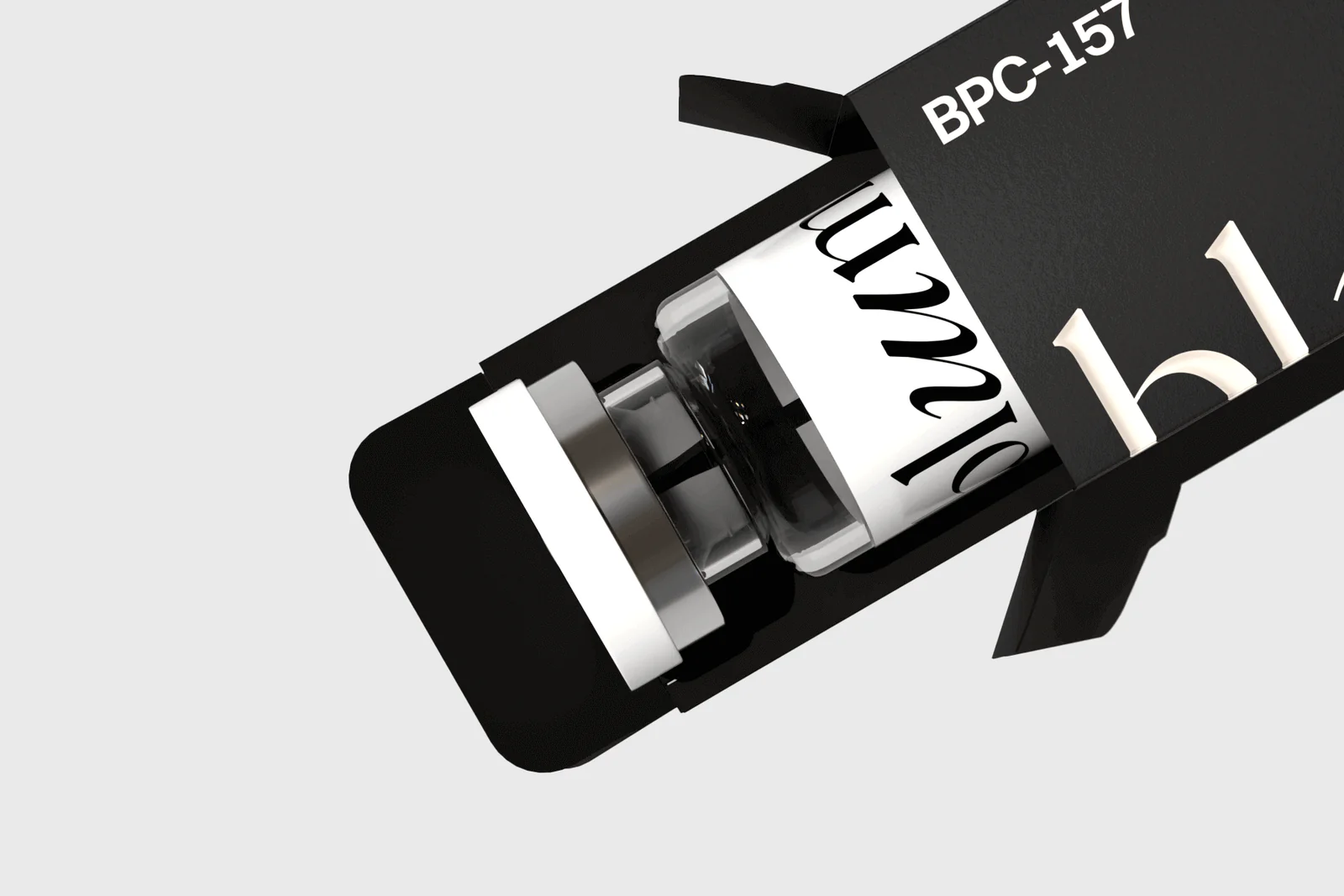
In the realm of molecular biology, biochemical exploration, and advanced cellular research, the margins for error are incredibly small. Modern laboratories routinely rely on synthesized amino acid chains to investigate complex cellular pathways, tissue regeneration models, and metabolic signaling systems. Because the outcomes of these sensitive experiments depend entirely on the precision of the inputs, the quality of the compounds used cannot be left to chance or taken on faith. For any researcher or laboratory procurement officer, sourcing high-purity materials is a primary operational requirement. To achieve this, looking for independent validation is the only reliable method to guarantee that you are acquiring truly verified peptides that will yield accurate, reproducible, and scientifically credible data.
The global chemical synthesis market is vast, and the quality of available research materials can vary significantly between batches and suppliers. Without standard regulatory oversight governing raw chemical manufacturing, the responsibility for quality control shifts entirely to the buyer. This reality makes independent, analytical testing an absolute necessity rather than an optional luxury. This deep dive examines why third-party testing serves as the ultimate line of defense for modern laboratories, exploring the hidden risks of unverified chemicals and the specific analytical documentation required to safeguard your research data.
The Hidden Costs of Chemical Impurities
When a laboratory purchases unverified or uncertified compounds, the true cost of that decision often appears down the line in the form of ruined control groups, skewed data points, and lost funding. Chemical impurities within a vial can take many forms, including residual solvents, heavy metals, structural isomer errors, or truncated amino acid sequences that failed to fully form during the synthesis process. To an unassisted eye, a vial containing only 70% pure material looks identical to a vial containing 99% pure lyophilized (freeze-dried) powder. However, when introduced to a cellular culture or an analytical assay, the differences become immediately apparent and highly disruptive.
Impurities often act as unintended variables in an experiment. For instance, if a compound contains truncated peptide fragments, these incomplete chains may still bind to cellular receptors without activating them, effectively blocking the full-length peptides from doing their job. This results in false negatives or significantly suppressed data. Alternatively, residual manufacturing solvents can introduce toxicity to cellular environments, leading to premature cell death that researchers might misinterpret as a direct result of the peptide itself. To eliminate these confounding variables, obtaining verified peptides verified by independent experts is the only path forward for serious scientific discovery.
Decoding the Anatomy of an Authentic Lab Report
Understanding the absolute necessity of third-party verification is only half the battle; researchers must also know how to critically analyze the documentation provided by independent testing facilities. A trustworthy supplier will always provide an unedited, current Certificate of Analysis (CoA) generated by an independent analytical powerhouse, such as Janoshik Analytical, BioRegen, or Freedom Diagnostics. These third-party entities have no financial stake in the sale of the chemical, meaning their data is entirely objective and unbiased.
An authentic, comprehensive lab report must always feature two primary analytical tests: High-Performance Liquid Chromatography (HPLC) and Mass Spectrometry (MS). The HPLC readout tracks the purity level of the compound by separating the components of the mixture based on their chemical properties, creating a visual graph where the primary peak represents the target molecule. Researchers should look for a clean, sharp peak showing a purity profile of 98% or greater. The Mass Spectrometry report follows this by measuring the exact molecular weight of the particles, confirming that the synthesized sequence matches the theoretical mass of the intended peptide perfectly. If a vendor hides these graphs or provides recycled, blurry PDFs with redacted dates, the material should be flagged as unverified and unsafe for laboratory use.
Protecting Complex Blends and Next-Generation Sequences
The demand for analytical verification becomes even more urgent as laboratory objectives transition from standard single-chain molecules to multi-targeted matrices and newly developed compounds. Modern metabolic research frequently utilizes advanced formulations like the specialized klow peptide or custom klow blend peptides to analyze multi-receptor interactions. Because these compounds rely on precise structural ratios and complex molecular cross-talk, verifying their purity requires an even more rigorous analytical approach than testing basic, isolated sequences.
With complex composites like klow blend peptides, a standard, single-peak HPLC test is insufficient. The third-party analytical lab must run specialized assays to confirm not only the absolute purity of the raw materials but also that the individual chains within the klow peptide mixture are balanced in the exact ratios required for your study. If the ratio is off by even a fraction of a milligram, the biological synergy changes completely, rendering the entire batch useless for modeling controlled cellular cascades. Insisting on independent, batch-specific validation ensures that your cutting-edge research stays on track and remains entirely repeatable.
Evaluating Logistics, Lyophilization, and Internal Integrity
While analytical purity at the manufacturing source is vital, the physical state of the compound during transit and storage plays an equally large role in maintaining its status as a verified asset. Fragile peptide structures are prone to rapid degradation when exposed to heat, UV light, or physical disruption. For this reason, the procurement checklist must verify that the vendor utilizes premium lyophilization techniques to convert the liquid peptide matrix into a highly stable, freeze-dried crystalline cake. This solid state shields the delicate bonds from breaking down during shipping.
To further safeguard your research inventory, logistical tracking should prioritize domestic distribution networks over international channels. Sourcing chemicals from overseas regularly introduces lengthy customs standstills, unpredictable environmental exposure in transit hubs, and a lack of accountability if a batch arrives degraded. Utilizing a domestic supplier operating out of a certified US facility significantly reduces transit time, ensuring the materials arrive at your laboratory steps under optimal, stable conditions. Once inside your facility, immediate transfer to specialized cold storage (typically maintained at sub-zero temperatures) guarantees that the high-purity profile verified by third-party laboratories remains intact until the exact moment your experiment begins.
Elevating Scientific Standards Through Procurement Discipline
The long-term success of the broader scientific community depends heavily on the integrity of the data published by individual laboratories. When researchers take shortcuts in their procurement protocols, they risk contributing to the growing replication crisis that compromises the credibility of biochemical research. Relying exclusively on rigorously tested, verified peptides acts as an insurance policy for your laboratory’s reputation, budget, and scientific contributions.
By making batch-specific, independent third-party validation a non-negotiable requirement for every purchase, your institution establishes a transparent foundation for valid discovery. Whether your project involves common tissue-repair models or complex, next-generation research using the klow peptide, the path to definitive answers always begins with pure, verified inputs. Eliminating chemical uncertainty allows your team to focus entirely on the science, confident that every observed cellular response is an authentic reflection of the hypothesis being tested.