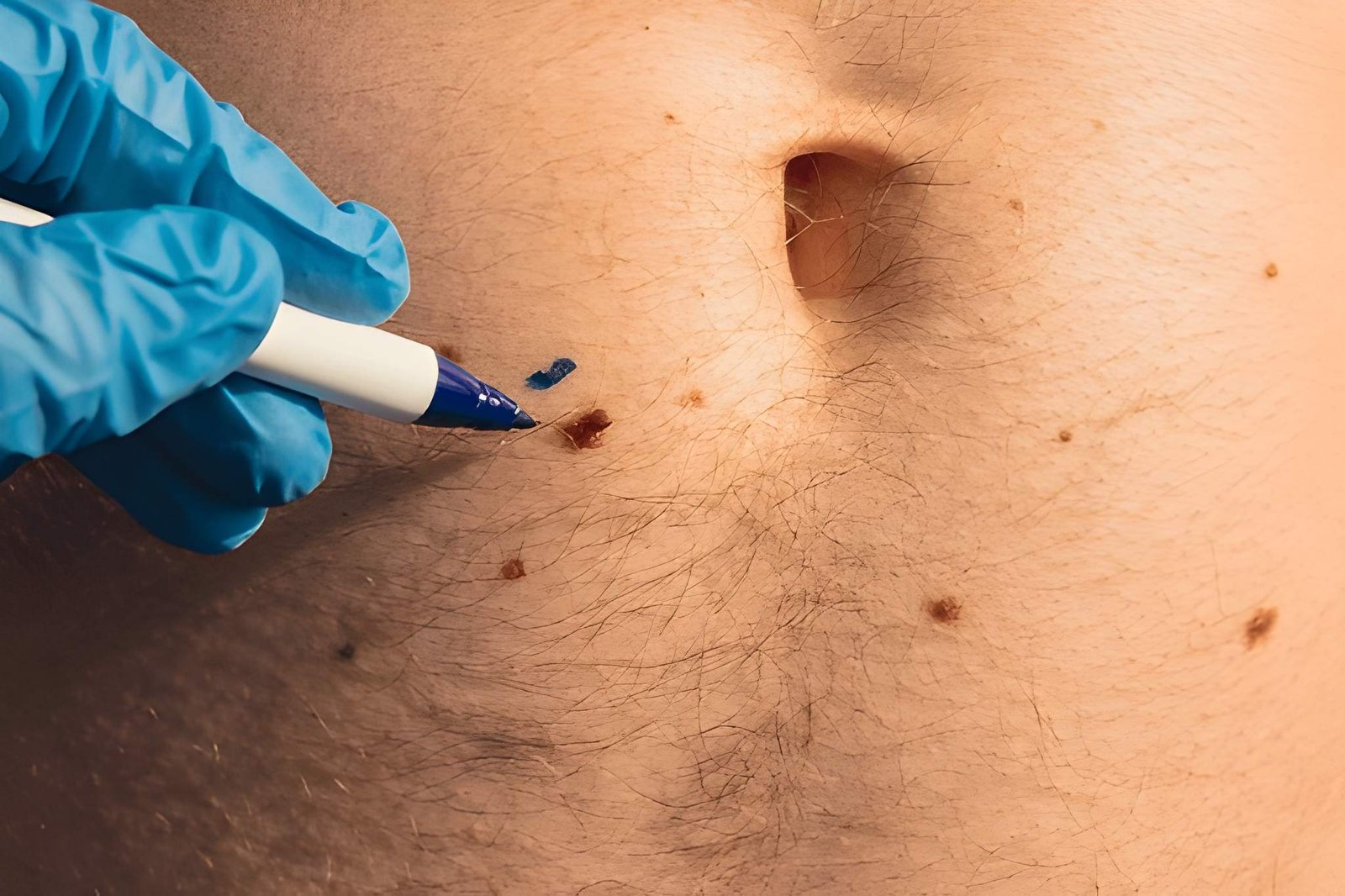
Skin tags are small, soft growths that commonly appear on areas where the skin folds or rubs together. Although they are usually harmless, many people choose to remove them because they can become irritating, uncomfortable, or affect their confidence. Whether they appear on the neck, underarms, eyelids, or other visible areas, skin tags can be frustrating to deal with.
Many patients visit a Harley Street dermatology clinic in London to explore safe and effective options for removing skin tags without causing skin damage. Professional treatment offers a reliable solution that reduces the risk of infection, scarring, or recurrence, often linked to home remedies.
What Are Skin Tags?
Skin tags are small pieces of hanging skin made up of collagen and blood vessels. They are non-cancerous and generally painless, but they can become irritated by clothing, jewellery, or shaving.
They often develop in areas such as:
- The neck area, where collars, chains, and scarves constantly rub against the skin throughout the day, leading to irritation and the gradual formation of skin tags.
- Underarms where sweat, friction, and regular movement create an environment that makes skin tags more likely to appear over time.
- The groin and inner thigh region, where skin-to-skin contact and tight clothing can increase friction and contribute to the development of unwanted skin growths.
- Eyelids and around the eyes, where delicate skin may develop small tags that can become cosmetically bothersome or interfere with comfort.
- Under the breasts, where moisture and continuous skin rubbing often make this area more vulnerable to skin tags.
Skin tags vary in size and colour. Some are tiny and barely noticeable, while others become larger over time and become more visible.
Why Do Skin Tags Develop?
Several factors may increase the likelihood of developing skin tags. Although anyone can get them, they are more common in adults and people with frequent skin friction.
Common causes include:
- Friction between skin folds can repeatedly irritate the skin and trigger the formation of small growths in areas exposed to constant rubbing.
- Weight gain that creates additional skin folds and increases moisture and friction in different parts of the body.
- Hormonal changes during pregnancy or other life stages may encourage skin tags to develop more rapidly.
- Genetics, because some individuals are naturally more likely to develop skin tags due to family history and inherited skin characteristics.
- Diabetes or insulin resistance, which are sometimes associated with an increased number of skin tags on the body.
- Ageing because skin changes over time, and older adults often notice more skin tags appearing gradually.
In many cases, skin tags appear slowly and increase in number over the years.
Is It Safe to Remove Skin Tags at Home?
Many over-the-counter products and online remedies claim to remove skin tags quickly. However, home treatments are not always safe and may lead to complications if used incorrectly.
Some common risks include:
- Skin infection caused by using non-sterile tools or applying harsh products directly onto sensitive areas of the skin.
- Bleeding that may occur when people attempt to cut or pull skin tags off without proper medical guidance.
- Pain and irritation resulting from chemical products or home remedies that are too strong for delicate skin.
- Scarring or permanent marks that can remain after improper removal methods damage the surrounding skin tissue.
- Incorrect diagnosis because not every skin growth is a harmless skin tag, and some conditions may require medical attention.
For this reason, professional assessment is always considered the safest approach.
Which Skin Tag Removal Option Is Considered the Safest?
The safest way to remove skin tags is through professional dermatological treatment. A trained specialist can examine the skin tag and recommend the most suitable removal method based on its size, location, and skin type.
Professional treatments are designed to:
- Minimise discomfort during the procedure while ensuring the surrounding skin remains protected throughout the treatment process.
- Reduce the risk of scarring by using precise medical techniques tailored to the individual patient and treatment area.
- Lower the chances of infection because all procedures are carried out in a clean and controlled clinical environment.
- Deliver faster healing and smoother cosmetic results compared to many home treatment methods.
- Ensure accurate diagnosis so any unusual or suspicious skin growths can be properly evaluated before removal.
Most procedures are quick and performed in a clinical setting with very little downtime.
Common Professional Skin Tag Removal Methods
Cryotherapy
Cryotherapy involves freezing the skin tag using liquid nitrogen. The treated tag gradually falls off within several days.
Benefits include:
- A fast and straightforward procedure that is commonly completed within minutes during a routine appointment.
- Minimal discomfort because the freezing process is quick and usually well tolerated by most patients.
- No stitches or lengthy recovery periods, which makes it convenient for people with busy schedules.
- Effective treatment for smaller skin tags that appear on commonly affected areas, such as the neck or underarms.
Electrocautery
Electrocautery uses controlled heat to remove the skin tag safely while sealing blood vessels during the procedure.
Advantages include:
- Precise removal that allows dermatologists to target the skin tag accurately without damaging nearby skin.
- Reduced bleeding because the heat seals the area immediately during treatment.
- Quick healing times that help patients return to their daily routine with minimal interruption.
- Suitable treatment for larger or thicker skin tags that may not respond well to other methods.
Surgical Excision
For larger or stubborn skin tags, surgical removal may be recommended. The skin tag is carefully removed using sterile medical instruments.
This treatment is ideal for:
- Large skin tags that may cause discomfort or become repeatedly irritated by clothing and movement.
- Thick or stubborn skin growths require a more precise and permanent removal method.
- Sensitive areas where careful removal is necessary to protect surrounding skin and achieve better cosmetic results.
Laser Removal
Laser technology is another modern option for removing unwanted skin growths. The laser targets the tissue while minimising damage to surrounding skin.
Benefits include:
- High precision treatment that allows specialists to focus directly on the affected area while preserving healthy skin.
- Reduced risk of noticeable scarring, which makes laser treatment popular for visible areas such as the face or neck.
- Minimal downtime that allows most patients to return to normal activities shortly after treatment.
- Smooth cosmetic results that help improve confidence and overall skin appearance.
When Should You See a Dermatologist?
You should consider professional advice if you have a skin tag:
- Changes colour or appearance over time and begins to look different from your other skin tags.
- Bleeds frequently after shaving, rubbing against clothing, or accidental scratching.
- Causes discomfort or pain that interferes with daily activities and overall comfort.
- Grows rapidly or becomes unusually large within a short period of time.
- Affects your confidence or makes you feel self-conscious about your appearance.
Many patients seeking skin tag removal treatment in London choose experienced dermatology clinics because they offer personalised care and advanced treatment options in a safe medical setting.
FAQs
Are skin tags dangerous?
Skin tags are generally harmless and non-cancerous, but any unusual skin growth should still be examined by a qualified professional.
Is skin tag removal painful?
Most treatments involve very little discomfort, and a local anaesthetic may be used for larger skin tags to improve comfort.
How long does recovery take?
Recovery is usually quick, and many patients return to their normal routine immediately after treatment.
Can skin tags grow back?
The removed skin tag usually does not return, but new skin tags may develop in other areas over time.
Conclusion
Skin tags are common skin growths that can become irritating or cosmetically bothersome over time. While many people try home remedies, professional treatment remains the safest and most reliable option for fast and effective removal.
Modern dermatology treatments provide safe procedures, minimal downtime, and better cosmetic outcomes. Seeking professional advice ensures that the skin growth is properly diagnosed and removed using the most suitable method for your skin type and needs.
If you are considering treatment, consulting an experienced dermatology clinic can help you achieve smoother, healthier-looking skin with confidence.