Imagine a world where a doctor can detect a heart problem before a patient even feels symptoms. Or where elderly patients can stay safely at home while their health is continuously monitored in real time. What once seemed like futuristic healthcare is quickly becoming today’s reality.
Healthcare systems around the world are under increasing pressure. Rising patient numbers, chronic diseases, aging populations, and growing healthcare costs are forcing hospitals and providers to look for smarter solutions. This is where real-time health monitoring is making a major difference.
According to recent industry reports, the global remote patient monitoring market is expected to exceed $175 billion by 2030. At the same time, studies show that nearly 80% of healthcare organizations are investing in connected health technologies to improve patient care and operational efficiency.
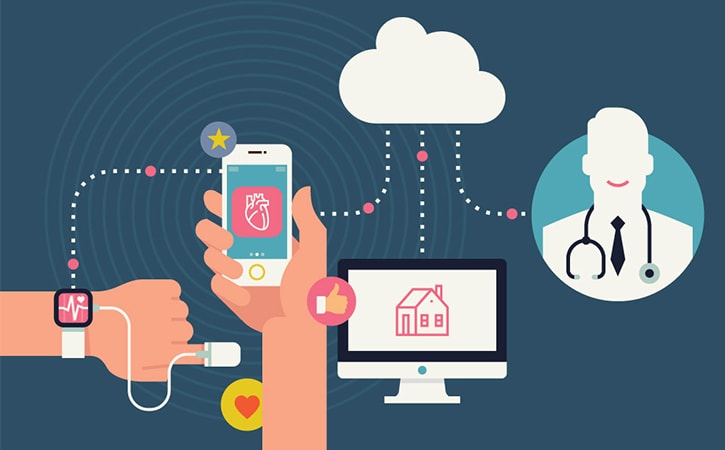
Real-time monitoring allows doctors, nurses, and caregivers to track patient health continuously through connected devices, wearable technology, mobile apps, and cloud-based healthcare systems. Instead of relying only on hospital visits and delayed reports, healthcare professionals can now receive instant health data and respond faster to medical emergencies.
From smartwatches tracking heart rates to hospital systems monitoring ICU patients 24/7, real-time health monitoring is transforming how healthcare is delivered. It is improving patient outcomes, reducing hospital admissions, lowering healthcare costs, and making healthcare more accessible than ever before.
In this blog, we will explore how real-time health monitoring works, why it matters, its benefits, challenges, and how it is shaping the future of healthcare worldwide.
Understanding Real-Time Health Monitoring
Real-time health monitoring refers to the continuous collection and sharing of patient health data using connected medical devices and digital technologies.
These systems monitor important health metrics such as:
- Heart rate
- Blood pressure
- Blood sugar levels
- Oxygen saturation
- Body temperature
- Sleep patterns
- Physical activity
The collected data is instantly shared with healthcare providers, caregivers, or patients through cloud-based platforms and mobile applications.
This means doctors can monitor patients even when they are not physically present in hospitals or clinics.
How Real-Time Health Monitoring Works
The process behind real-time monitoring is simpler than many people think.
Step 1: Data Collection
Wearable devices, sensors, or smart medical equipment collect patient health information continuously.
Examples include:
- Smartwatches
- Fitness trackers
- Glucose monitors
- Smart ECG devices
- Blood pressure monitors
Step 2: Data Transmission
The collected information is securely sent through:
- Wi-Fi
- Bluetooth
- Mobile networks
- Cloud systems
Step 3: Real-Time Analysis
Healthcare systems analyze the incoming data instantly to identify unusual patterns or warning signs.
For example:
- Sudden spikes in blood pressure
- Abnormal heart rhythms
- Low oxygen levels
Step 4: Alerts and Action
Doctors, caregivers, or patients receive immediate notifications if health conditions become risky.
This allows faster medical intervention and reduces complications.
Why Real-Time Monitoring Matters in Modern Healthcare
Traditional healthcare systems mainly rely on scheduled appointments and occasional testing.
The problem is that many health conditions can worsen between appointments without warning.
Real-time monitoring changes this approach by providing continuous visibility into patient health.
Why This Matters
- Problems can be detected earlier
- Emergency risks can be reduced
- Doctors can make faster decisions
- Patients receive personalized care
- Chronic diseases become easier to manage
This shift is moving healthcare from reactive treatment toward proactive prevention.
The Rise of Wearable Health Technology
Wearable technology has become one of the biggest drivers of real-time health monitoring.
Millions of people now use smart devices daily to track their health and fitness.
Popular wearable devices include:
- Smartwatches
- Fitness bands
- Smart rings
- ECG monitoring devices
- Sleep trackers
These devices are helping people become more aware of their health conditions and lifestyle habits.
Example
A smartwatch can now:
- Detect irregular heartbeats
- Monitor stress levels
- Track sleep quality
- Measure oxygen saturation
- Count daily physical activity
This information helps users make healthier decisions before medical problems become serious.
How Real-Time Monitoring Helps Chronic Disease Patients
Chronic diseases are one of the biggest healthcare challenges worldwide.
Conditions like:
- Diabetes
- Heart disease
- Hypertension
- Asthma
- COPD
require continuous monitoring and long-term care.
Real-time monitoring allows patients and doctors to manage these conditions more effectively.
Diabetes Management
Smart glucose monitors continuously track blood sugar levels and alert patients when levels become dangerous.
Cardiac Care
Wearable ECG devices help detect abnormal heart activity early.
Respiratory Monitoring
Connected oxygen monitors help doctors track patients with respiratory illnesses remotely.
This reduces hospital visits and improves patient safety.
Remote Patient Monitoring Is Reducing Hospital Burden
Hospitals around the world often struggle with overcrowding and limited resources.
Real-time health monitoring allows many patients to receive care from home instead of staying in hospitals unnecessarily.
This is called Remote Patient Monitoring (RPM).
Benefits of RPM
- Fewer hospital readmissions
- Reduced emergency room visits
- Lower healthcare costs
- Better patient comfort
- Improved healthcare accessibility
For elderly patients and people living in remote areas, remote monitoring has become especially valuable.
Faster Emergency Response Saves Lives
In many medical emergencies, timing is critical.
Real-time monitoring systems can identify serious health risks before they become life-threatening.
Examples
- Detecting early signs of stroke
- Alerting caregivers during heart attacks
- Monitoring oxygen levels in critical patients
- Identifying sudden falls in elderly patients
Immediate alerts allow doctors and caregivers to act faster, which can significantly improve survival rates.
Personalized Healthcare Through Data
Every patient has unique healthcare needs.
Real-time monitoring provides personalized health insights based on individual data patterns.
Doctors can:
- Adjust medications more accurately
- Recommend lifestyle changes
- Create personalized treatment plans
- Track patient progress continuously
This creates more patient-centered healthcare experiences.
Mental Health Monitoring Is Also Growing
Real-time monitoring is not limited to physical health.
Mental health technologies are also evolving rapidly.
Apps and wearable devices can now track:
- Stress levels
- Sleep quality
- Mood patterns
- Anxiety indicators
Some mental wellness platforms even provide:
- Guided meditation
- Emotional support tools
- Crisis alerts
- Behavioral analysis
This helps users manage mental health more proactively.
The Role of Artificial Intelligence in Real-Time Monitoring
Artificial Intelligence (AI) is making healthcare monitoring smarter and faster.
AI systems can analyze massive amounts of health data and identify patterns humans might miss.
AI in Healthcare Monitoring
AI helps:
- Predict disease risks
- Detect abnormalities
- Improve diagnosis accuracy
- Automate patient alerts
- Support clinical decisions
For example, AI can analyze heart rhythm data and identify early signs of cardiac problems before symptoms appear.
Security and Privacy Challenges
Although real-time monitoring offers major benefits, it also creates concerns around data privacy and cybersecurity.
Healthcare data is extremely sensitive.
Connected systems must protect patient information from:
- Data breaches
- Cyberattacks
- Unauthorized access
- Identity theft
Healthcare providers must invest in:
- Data encryption
- Secure cloud systems
- Compliance with healthcare regulations
- Multi-factor authentication
Building trust is essential for wider adoption of digital healthcare technologies.
Challenges Slowing Adoption
Despite the advantages, several challenges still exist.
Technology Accessibility
Not everyone has access to smartphones or internet connectivity.
High Initial Investment
Some healthcare systems struggle with implementation costs.
Data Overload
Doctors may receive massive amounts of patient data that can become difficult to manage.
Integration Issues
Older hospital systems may not work smoothly with modern connected technologies.
However, technology is improving rapidly, and many of these barriers are gradually being solved.
The Future of Real-Time Healthcare Monitoring
The future of healthcare monitoring looks incredibly promising.
Several emerging technologies will continue driving innovation.
5G Connectivity
Faster internet speeds will improve:
- Instant data transfer
- Video consultations
- Real-time monitoring accuracy
Smart Hospitals
Hospitals will use connected systems for:
- Patient tracking
- Equipment management
- Predictive maintenance
- Automated workflows
Advanced Wearables
Future wearable devices may monitor:
- Hydration levels
- Early infection signs
- Blood chemistry
- Stress hormones
Predictive Healthcare
Healthcare will increasingly focus on predicting diseases before symptoms appear.
This shift from treatment to prevention could completely transform global healthcare systems.
Important Figures and Statistics
Here are some key statistics showing the rise of real-time health monitoring:
| Statistic | Figure |
|---|---|
| Expected remote patient monitoring market by 2030 | $175+ billion |
| Healthcare organizations investing in connected technologies | 80%+ |
| Reduction in hospital readmissions through RPM | Up to 38% |
| Increase in wearable device users globally | Over 1 billion |
| Patients preferring remote healthcare services | Nearly 70% |
These figures show how rapidly connected healthcare technologies are changing the industry.
Why Patient-Friendly Technology Matters
Technology should simplify healthcare, not complicate it.
Healthcare monitoring systems must remain:
- Easy to use
- Accessible for elderly patients
- Mobile-friendly
- Fast and reliable
- Simple to understand
When patients feel comfortable using healthcare technologies, engagement improves significantly.
Good user experience plays a major role in successful digital healthcare adoption.
Conclusion
Real-time health monitoring is changing the future of healthcare by making medical care faster, smarter, and more patient-centered. From wearable devices and remote patient monitoring to AI-powered health insights and predictive care, connected technologies are helping healthcare providers deliver more efficient and proactive services.
Patients today expect convenience, continuous support, and personalized healthcare experiences. Real-time monitoring allows healthcare professionals to identify health risks earlier, improve treatment accuracy, reduce hospital burdens, and provide care beyond traditional clinical settings.
Although challenges such as data security, system integration, and accessibility still exist, the healthcare industry is rapidly evolving toward more connected and intelligent ecosystems. As technology continues advancing, real-time health monitoring will play an even greater role in improving healthcare outcomes worldwide.
The growing adoption of connected healthcare systems also highlights the long-term benefits of iot in healthcare, helping organisations create smarter, safer, and more efficient patient care experiences for the future.