Electromagnetic Compatibility (EMC) testing is a critical step in the development and certification of modern electronic products. As devices become more complex and densely packed with electronics, ensuring that they operate reliably without interfering with other equipment—or being affected by external interference—is essential. EMC testing verifies that electronic devices meet regulatory standards and function properly in real-world electromagnetic environments.
This article explains what EMC testing is, why it matters, the main types of tests involved, global standards, and how companies can prepare for compliance.
What is EMC Testing?
EMC testing evaluates whether an electronic device can:
- Operate correctly in its electromagnetic environment (immunity).
- Not emit excessive electromagnetic interference (emissions).
In simple terms, EMC ensures that devices can “coexist” without causing or suffering from unwanted electrical noise.
For example:
- A smartphone should not interfere with a nearby Wi-Fi router.
- A medical device should continue functioning even near industrial machinery.
- A car’s electronic systems should not disrupt each other.
Why EMC Testing is Important
1. Regulatory Compliance
Most countries require EMC compliance before electronic products can be sold. Without certification, products may be banned from markets like the EU, USA, or UK.
2. Product Reliability
EMC testing ensures that devices function correctly in real-world environments where many electronic signals exist simultaneously.
3. Safety Assurance
Interference from electronic devices can lead to dangerous malfunctions in critical systems such as:
- Medical equipment
- Automotive control systems
- Aviation electronics
4. Market Access
Global trade requires adherence to international EMC standards, making testing essential for manufacturers targeting global markets.
5. Reduced Product Failures
Identifying electromagnetic issues early reduces costly redesigns and product recalls.
Key Areas of EMC Testing
EMC testing is generally divided into two main categories:
1. EMC Emissions Testing
This evaluates how much electromagnetic energy a device emits.
a. Radiated Emissions
Measures electromagnetic waves emitted through the air.
Common frequency range: 30 MHz to 6 GHz (or higher depending on device type).
Example:
- A poorly designed laptop might interfere with nearby radios or Bluetooth devices.
b. Conducted Emissions
Measures unwanted electrical noise traveling through power cables or signal lines.
Example:
- A power supply injecting noise back into the electrical grid.
2. EMC Immunity Testing
This evaluates how resistant a device is to external electromagnetic interference.
a. Radiated Immunity
Tests whether a device continues functioning when exposed to strong radio frequency fields.
b. Conducted Immunity
Checks device stability when electrical noise is injected into cables.
c. Electrostatic Discharge (ESD)
Simulates static electricity shocks, such as when a person touches a device after walking on carpet.
Example:
- A POS terminal should not crash when touched with a static charge.
d. Surge Testing
Simulates sudden voltage spikes caused by lightning or power switching.
e. Electrical Fast Transients (EFT)
Represents rapid bursts of electrical noise in power lines.
Common EMC Standards
Different industries follow specific EMC standards depending on product type and region.
1. International Standards
- IEC 61000 series – General EMC standards used worldwide
2. European Union (CE Marking)
- EN 55032 (multimedia equipment emissions)
- EN 55035 (immunity requirements)
- EN 61000 series (various EMC requirements)
3. United States
- FCC Part 15 – Governs electromagnetic emissions for electronic devices
4. Automotive Industry
- CISPR 25 – Radio disturbance characteristics
- ISO 11452 – Immunity testing
5. Medical Devices
- IEC 60601-1-2 – EMC requirements for medical equipment
How EMC Testing is Performed
EMC testing is conducted in specialized facilities using controlled environments such as:
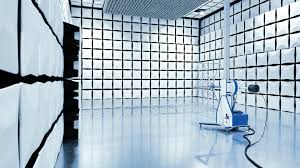
Anechoic Chambers
Rooms designed to absorb electromagnetic waves, preventing reflections that could distort results.
Shielded Rooms
Metal-enclosed rooms that block external electromagnetic signals.
Test Equipment Includes:
- Spectrum analyzers
- Signal generators
- Antennas
- LISNs (Line Impedance Stabilization Networks)
- ESD simulators
- RF amplifiers
Step-by-Step EMC Testing Process
Step 1: Pre-Compliance Testing
Engineers test early prototypes to identify potential issues before official certification.
Step 2: Product Setup
The device is configured exactly as it would be in real-world use.
Step 3: Emissions Testing
Measurements are taken to ensure emissions are within regulatory limits.
Step 4: Immunity Testing
The device is exposed to controlled interference sources.
Step 5: Analysis and Debugging
If failures occur, engineers identify the root cause and redesign components if necessary.
Step 6: Certification Testing
Final official tests are conducted for regulatory approval.
Common EMC Failures
Some frequent issues discovered during EMC testing include:
- Poor PCB layout causing signal noise
- Inadequate grounding design
- Low-quality shielding materials
- Power supply ripple noise
- Improper cable routing
- Lack of filtering components
How to Improve EMC Performance
Manufacturers can improve EMC compliance by following best practices:
1. Good PCB Design
- Short signal paths
- Proper grounding
- Separation of analog and digital circuits
2. Shielding
Use metal enclosures or conductive coatings to block emissions.
3. Filtering
Install capacitors, ferrite beads, and inductors to suppress noise.
4. Cable Management
Use shielded cables and proper grounding techniques.
5. Component Selection
Choose components with low electromagnetic noise characteristics.
6. Early Testing
Conduct pre-compliance testing during design, not after production.
Industries That Rely on EMC Testing
EMC compliance is essential in nearly every modern industry, including:
- Consumer electronics (phones, laptops, TVs)
- Automotive systems (EVs, infotainment, sensors)
- Aerospace and defense
- Medical devices
- Industrial automation
- Telecommunications equipment
- Smart home devices
The Future of EMC Testing
As technology advances, EMC testing is becoming more challenging due to:
- 5G and 6G wireless technologies
- Internet of Things (IoT) expansion
- Electric vehicles and autonomous driving systems
- Miniaturization of electronic components
Future EMC standards will likely become stricter and more comprehensive to handle increasingly complex electromagnetic environments.
Conclusion
EMC testing is an essential part of modern electronics development, ensuring that devices operate reliably without causing or suffering from electromagnetic interference. It protects product quality, ensures regulatory compliance, and safeguards user safety across industries.
For manufacturers, investing in proper EMC design and early testing is not just a regulatory requirement—it is a critical step toward building reliable, market-ready products.