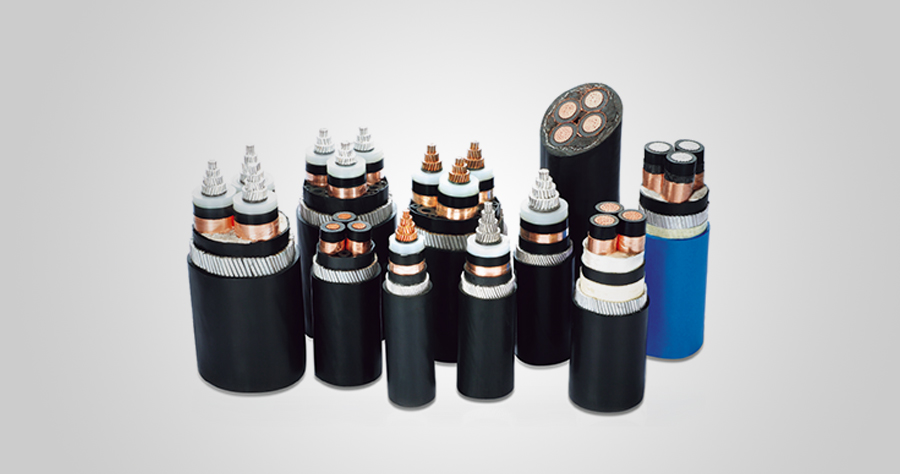
Reliable electricity transmission is essential for industries, commercial facilities, and modern infrastructure. Every power distribution system depends on strong and efficient cables that can safely carry electricity over long distances. These cables help maintain a stable power supply and support the smooth operation of industrial equipment, manufacturing plants, and utility networks.
In power transmission and distribution systems, HT Cables play a vital role. They are designed to carry electricity at higher voltage levels, making them suitable for industrial networks, substations, renewable energy projects, and large commercial facilities. Their ability to handle high electrical loads while maintaining safety and efficiency makes them an important component of modern electrical infrastructure.
This article explains what HT cables are, how they work, their applications, benefits, types, installation considerations, and why they are widely used in power distribution and industrial networks.
What Are HT Cables?
HT stands for High Tension. HT cables are electrical cables specifically designed to transmit power at higher voltage levels, generally ranging from 11 kV to 33 kV and beyond, depending on the application and design requirements.
These cables are used where standard low-voltage cables cannot safely or efficiently carry the required amount of power. HT cables are built with special insulation materials and protective layers that help them withstand electrical stress, environmental conditions, and mechanical damage.
They are commonly used in:
- Power distribution networks
- Industrial plants
- Power generation facilities
- Renewable energy projects
- Utility substations
- Infrastructure projects
Their primary function is to transfer electrical energy safely from one point to another while minimizing power losses.
Importance of HT Cables in Power Distribution
Power distribution systems are responsible for delivering electricity from transmission networks to consumers. The effectiveness of this process depends heavily on the quality and performance of the cables used.
HT cables are important because they:
- Carry large amounts of electrical power
- Reduce transmission losses
- Improve network reliability
- Support long-distance power distribution
- Enhance safety in electrical systems
- Ensure continuous power supply
Without properly designed high-voltage cables, power distribution networks would experience greater losses, reduced efficiency, and increased operational risks.
Components of HT Cables
HT cables consist of several layers that work together to provide electrical insulation, mechanical strength, and environmental protection.
1. Conductor
The conductor is the core part of the cable that carries electrical current. It is usually made from:
- Copper
- Aluminum
Copper provides excellent conductivity, while aluminum offers a lighter and more cost-effective alternative.
2. Conductor Screen
The conductor screen helps create a uniform electric field around the conductor. This improves insulation performance and reduces electrical stress.
3. Insulation Layer
The insulation layer prevents electrical leakage and protects against short circuits.
Common insulation materials include:
- XLPE (Cross-Linked Polyethylene)
- EPR (Ethylene Propylene Rubber)
XLPE is one of the most widely used materials because of its excellent thermal and electrical properties.
4. Insulation Screen
This layer helps maintain an even electric field and protects the insulation from excessive electrical stress.
5. Metallic Shield
The metallic shield provides grounding and helps control electrical fields within the cable.
6. Inner Sheath
The inner sheath protects internal cable components from moisture and mechanical damage.
7. Armour
Armour provides mechanical protection against impact, crushing, and external forces.
Common armour materials include:
- Steel wire
- Steel tape
- Aluminum wire
8. Outer Sheath
The outer sheath protects the cable from environmental factors such as:
- Moisture
- Chemicals
- UV radiation
- Abrasion
How HT Cables Work
HT cables transmit electrical energy at high voltage levels. By operating at higher voltages, they can transfer large amounts of power with lower current flow.
This provides several advantages:
- Reduced power loss
- Better efficiency
- Smaller conductor sizes
- Improved system performance
The insulation system within the cable prevents electricity from escaping and ensures safe operation even under demanding conditions.
When connected to substations and distribution equipment, HT cables form an important link between power generation, transmission, and end-use facilities.
Types of HT Cables
Different applications require different types of HT cables. The selection depends on voltage level, installation conditions, and environmental requirements.
XLPE Insulated HT Cables
These are among the most commonly used HT cables today.
Benefits include:
- High thermal resistance
- Excellent electrical performance
- Long service life
- Low maintenance requirements
They are widely used in industrial and utility applications.
PVC Insulated HT Cables
PVC-insulated cables are suitable for specific applications where moderate performance requirements exist.
Advantages include:
- Cost-effectiveness
- Chemical resistance
- Good durability
Armoured HT Cables
Armoured cables include an additional protective layer that provides mechanical strength.
They are commonly installed in:
- Underground networks
- Industrial sites
- Construction projects
Unarmoured HT Cables
These cables are used in controlled environments where mechanical protection is not a major concern.
Examples include:
- Cable trays
- Indoor installations
- Protected electrical rooms
Applications of HT Cables
HT cables are used in a wide variety of sectors because of their ability to handle high electrical loads safely.
Power Distribution Networks
Electric utilities use HT cables to distribute electricity from substations to industrial and commercial consumers.
Manufacturing Industries
Industrial plants rely on HT cables to power:
- Heavy machinery
- Production lines
- Processing equipment
- Industrial automation systems
Renewable Energy Projects
Solar and wind power installations use HT cables to transfer generated electricity to substations and distribution networks.
Oil and Gas Facilities
These facilities require reliable power systems capable of operating under harsh environmental conditions.
Infrastructure Projects
HT cables are used in:
- Airports
- Metro systems
- Railway networks
- Smart cities
- Data centers
Commercial Complexes
Large commercial buildings often require HT cable systems to support their electrical infrastructure.
Benefits of Using HT Cables
Improved Power Transmission Efficiency
Higher voltage transmission reduces energy losses and improves overall efficiency.
Reliable Performance
HT cables are designed for continuous operation under demanding conditions.
Enhanced Safety
Advanced insulation systems help prevent electrical failures and accidents.
Long Service Life
High-quality HT cables can provide reliable service for decades with proper installation and maintenance.
Lower Maintenance Requirements
Modern cable technologies reduce maintenance needs and operating costs.
Better Load Handling Capacity
These cables can support large electrical loads without compromising performance.
Environmental Resistance
HT cables are designed to withstand:
- Moisture
- Heat
- Chemicals
- Mechanical stress
HT Cables vs LT Cables
Understanding the difference between HT and LT cables helps in selecting the correct solution.
| Feature | HT Cables | LT Cables |
|---|---|---|
| Voltage Range | Above 1 kV | Up to 1 kV |
| Application | Power distribution and industry | Residential and small commercial use |
| Insulation Requirements | Higher | Lower |
| Power Carrying Capacity | High | Moderate |
| Installation Cost | Higher | Lower |
| System Efficiency | Higher for large loads | Suitable for smaller loads |
Both types are important, but HT cables are essential when high-voltage power transmission is required.
Installation Considerations for HT Cables
Proper installation is critical for ensuring long-term performance and safety.
Route Planning
The cable route should be carefully planned to avoid unnecessary bends and obstacles.
Cable Handling
Improper handling can damage insulation and reduce cable life.
Bending Radius
Manufacturers specify minimum bending radii that must be followed during installation.
Jointing and Termination
Cable joints and terminations should be installed by trained professionals using approved methods.
Grounding
Proper grounding improves safety and system reliability.
Environmental Conditions
Factors such as temperature, moisture, and chemical exposure should be evaluated before installation.
Maintenance of HT Cables
Although HT cables require relatively low maintenance, regular inspections are important.
Visual Inspection
Check for:
- Physical damage
- Corrosion
- Sheath deterioration
Electrical Testing
Routine testing helps identify potential problems before they become serious failures.
Thermal Monitoring
Monitoring cable temperatures helps prevent overheating.
Partial Discharge Testing
This testing method helps detect insulation defects at an early stage.
Preventive Maintenance
A preventive maintenance program improves reliability and extends cable life.
Factors to Consider When Selecting HT Cables
Choosing the right cable requires evaluating several factors.
Voltage Rating
The cable must match the system voltage requirements.
Current Carrying Capacity
The cable should be capable of handling the expected electrical load.
Installation Environment
Consider whether the cable will be installed:
- Underground
- Overhead
- Indoors
- Outdoors
Mechanical Protection
Armoured cables may be necessary in harsh environments.
Temperature Conditions
The cable should be suitable for the expected operating temperatures.
Compliance Standards
Always select cables that meet applicable national and international standards.
Future Expansion
Choosing cables with additional capacity can support future growth.
Future of HT Cables in Modern Infrastructure
As electricity demand continues to increase, the importance of HT cable systems is growing. Rapid industrialization, renewable energy development, urban expansion, and smart grid projects require efficient and dependable power distribution solutions.
Advancements in cable technology are leading to:
- Improved insulation materials
- Greater energy efficiency
- Enhanced durability
- Better environmental performance
- Longer operational life
Modern HT cable systems are becoming smarter, safer, and more capable of meeting the needs of future power networks.
Conclusion
HT cables are a critical component of power distribution and industrial networks. Their ability to safely transmit large amounts of electricity makes them essential for industries, utilities, infrastructure projects, renewable energy installations, and commercial facilities. With advantages such as high efficiency, reliability, durability, and long service life, they continue to support the growing demand for dependable electrical infrastructure.
Organizations looking for high-quality cable solutions should work with trusted industry suppliers that understand the requirements of modern power systems. Prabha Power is committed to supporting reliable electrical infrastructure through quality products and industry expertise, helping ensure efficient and safe power distribution for various applications.